


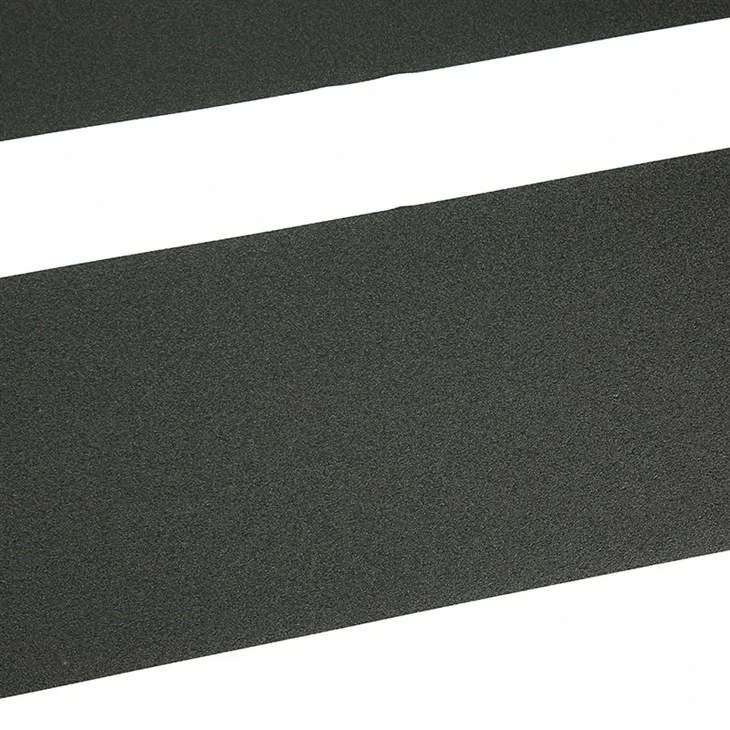

high performance thermal pad for Efficient Heat Dissipation
Introduction
High performance thermal pads are a type of material used for thermal management. They are mainly used to improve the efficiency of heat conduction and help devices or systems dissipate heat quickly and effectively. They are usually made of materials with strong thermal conductivity (such as thermal conductive silicone, thermal conductive pads, thermal conductive plastics, etc.) and can be widely used in electronic equipment, LED lamps, automobiles, home appliances and other fields.
Advantages
Good thermal conductivity
High-performance thermal pads use materials with high thermal conductivity, such as thermally conductive silicone, ceramic powder, thermally conductive metal fillers, etc. These materials have high thermal conductivity coefficients, far exceeding ordinary materials. Therefore, thermal pads can effectively transfer heat from the heat source to the heat dissipation components, significantly improving the heat dissipation efficiency.
Good thermal stability
High-performance thermal pads have excellent thermal stability and can maintain stable performance over a wide temperature range. Many thermal pads can operate at temperatures ranging from -40°C to 200°C or even higher, and can adapt to extreme temperature changes in different working environments. This stability makes it less likely to deform or degrade in performance during long-term use, and is particularly suitable for use in high-temperature, thermally cycled equipment.
High compressibility and adaptability
This thermal pad has good flexibility and compressibility, which can form a sealed contact between the contact surfaces, ensuring close contact between the heat source and the heat sink. It can adapt to the irregular shape of the device surface, and is particularly suitable for those parts with complex shapes or uneven surfaces.
Good electrical insulation
In addition to efficient heat conduction, many high-performance thermal pads also have electrical insulation functions, which can effectively prevent current leakage. Electrical insulation is very important in electronic equipment and high-voltage electrical equipment because it can prevent electrical interference between devices and reduce electrical safety hazards. This makes thermal pads not only suitable for devices with high heat dissipation requirements, but also ensures the safety of the equipment. They are widely used in power modules, LED drivers, battery management systems and other fields.
Products Description


Specification
|
Item No. |
JNY070 |
|
Place of Origin |
China |
|
Brand Name |
JOINY |
|
Type |
high performance thermal pad |
|
Material |
Silicone material |
|
Application |
Electric devices |
|
Rated Voltage |
5kv/mm |
|
Tensile Strength |
Excellent |
|
Colors |
Customized |
|
Thermal Conductivity |
10W/m.k |
|
Thickness |
0.5-20.0mm |
|
Specific Gravity |
3.45±0.1g/cc |
|
Hardness |
30~70±5Shore C |
|
Volume Resistivity |
1.0*10 12Ω.cm |
|
Temperature Range |
-55~+200℃ |
|
Flame Rating |
V0 |
Packing & Delivery


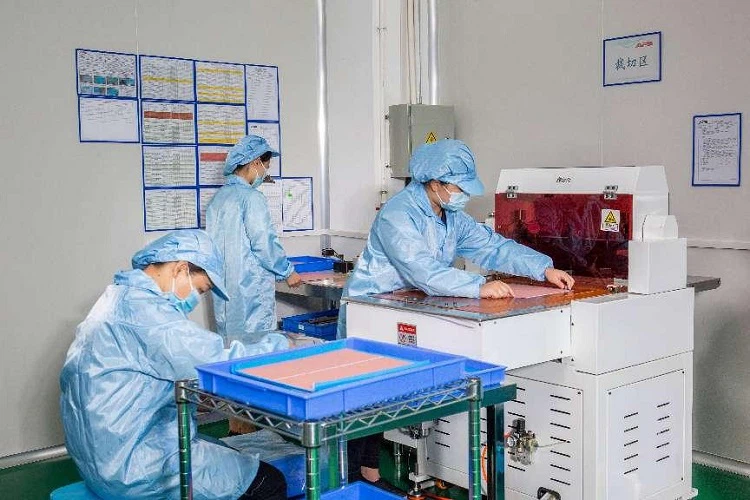
More than 80 customers from 15 countries in the past 19 years.


FAQ


Hot Tags: high performance thermal pad, China high performance thermal pad manufacturers, suppliers, factory, thermal engineering pad, thermal assembly pad, standard thermal pad, rigid thermal pad, thermal testing pad, Thermal Conductive Silicone Sheet


