

As a supplier of Gap Pads, I often receive inquiries about the mechanical strength of these essential thermal management components. Understanding the mechanical strength of Gap Pads is crucial for ensuring their performance and reliability in various applications. In this blog post, I will delve into the concept of mechanical strength in Gap Pads, its significance, and how it impacts their use in different scenarios.
What is Mechanical Strength?
Mechanical strength refers to the ability of a material to withstand external forces without undergoing significant deformation or failure. In the context of Gap Pads, mechanical strength encompasses several key aspects, including compression strength, tear strength, and shear strength.
Compression strength is the maximum amount of compressive force that a Gap Pad can withstand before it is permanently deformed. This property is particularly important in applications where the Gap Pad is subjected to pressure, such as between a heat source and a heat sink. A high compression strength ensures that the Gap Pad maintains its shape and thermal conductivity under pressure, preventing gaps that could reduce heat transfer efficiency.
Tear strength measures the resistance of a Gap Pad to tearing when a force is applied perpendicular to its surface. Tear strength is essential in applications where the Gap Pad may be subjected to stretching or bending, such as during installation or when used in flexible electronic devices. A high tear strength ensures that the Gap Pad remains intact and functional, even under stress.
Shear strength is the ability of a Gap Pad to resist forces that act parallel to its surface. This property is important in applications where the Gap Pad may be subjected to lateral forces, such as vibrations or movement. A high shear strength ensures that the Gap Pad maintains its position and adhesion, preventing it from slipping or shifting during operation.
Significance of Mechanical Strength in Gap Pads
The mechanical strength of Gap Pads plays a crucial role in their performance and reliability in various applications. Here are some key reasons why mechanical strength is important:
- Thermal Performance: A Gap Pad with high mechanical strength can maintain its shape and contact with the heat source and heat sink, ensuring efficient heat transfer. This is particularly important in applications where the Gap Pad is subjected to pressure or movement, as any gaps or misalignment can significantly reduce thermal conductivity.
- Durability: Gap Pads with high mechanical strength are more resistant to wear and tear, ensuring a longer service life. This is especially important in applications where the Gap Pad is subjected to repeated compression, stretching, or bending, such as in automotive or industrial applications.
- Ease of Installation: Gap Pads with high mechanical strength are easier to handle and install, as they are less likely to tear or deform during the installation process. This can save time and labor costs, especially in large-scale applications.
- Compatibility: Gap Pads with high mechanical strength can be used in a wider range of applications, as they can withstand different types of forces and environmental conditions. This makes them a versatile solution for thermal management in various industries.
Factors Affecting Mechanical Strength
Several factors can affect the mechanical strength of Gap Pads, including the material composition, thickness, and manufacturing process. Here are some key factors to consider:
- Material Composition: The material composition of a Gap Pad plays a significant role in its mechanical strength. Different materials have different properties, such as elasticity, hardness, and tear resistance. For example, silicone-based Gap Pads are known for their high flexibility and tear resistance, while acrylic-based Gap Pads are more rigid and have higher compression strength.
- Thickness: The thickness of a Gap Pad can also affect its mechanical strength. Generally, thicker Gap Pads have higher mechanical strength than thinner ones, as they can withstand more force without deforming. However, thicker Gap Pads may also have lower thermal conductivity, so it is important to find the right balance between mechanical strength and thermal performance.
- Manufacturing Process: The manufacturing process used to produce a Gap Pad can also affect its mechanical strength. For example, Gap Pads that are molded or extruded may have different mechanical properties than those that are cut or punched. It is important to choose a manufacturing process that ensures consistent quality and mechanical strength.
Testing and Evaluation of Mechanical Strength
To ensure the mechanical strength of Gap Pads, it is important to conduct thorough testing and evaluation. Here are some common tests used to measure the mechanical strength of Gap Pads:
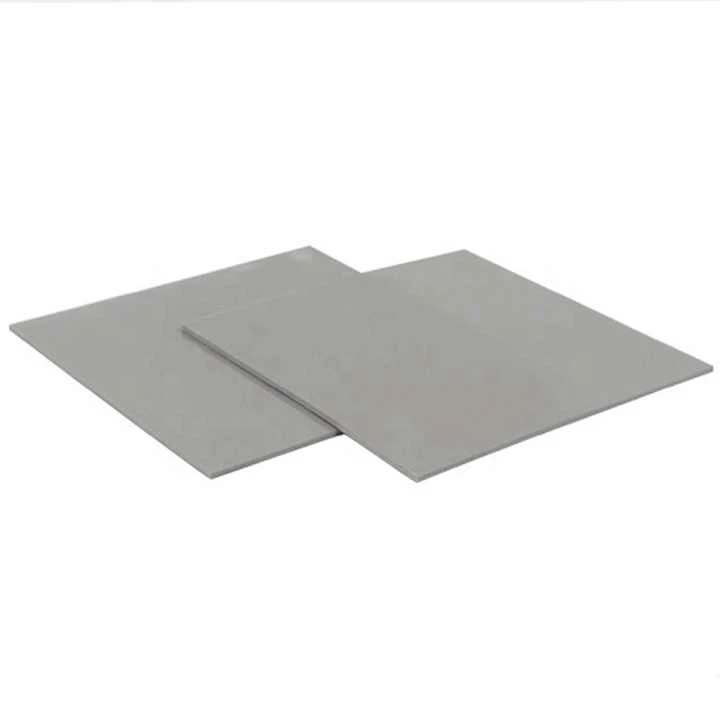
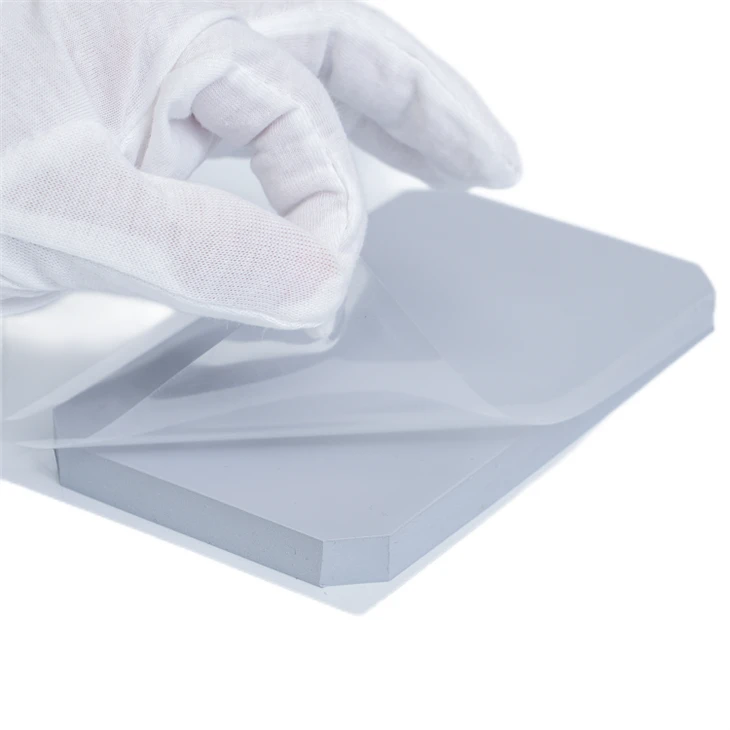
- Compression Testing: Compression testing involves applying a compressive force to a Gap Pad and measuring its deformation. This test can be used to determine the compression strength and modulus of elasticity of a Gap Pad.
- Tear Testing: Tear testing involves applying a force perpendicular to the surface of a Gap Pad and measuring its resistance to tearing. This test can be used to determine the tear strength of a Gap Pad.
- Shear Testing: Shear testing involves applying a force parallel to the surface of a Gap Pad and measuring its resistance to shear. This test can be used to determine the shear strength of a Gap Pad.
Applications of Gap Pads with High Mechanical Strength
Gap Pads with high mechanical strength are used in a wide range of applications, including:
- Electronics: Gap Pads are commonly used in electronic devices, such as computers, smartphones, and tablets, to transfer heat from the heat source to the heat sink. Gap Pads with high mechanical strength are particularly important in these applications, as they can withstand the pressure and movement associated with electronic devices.
- Automotive: Gap Pads are also used in automotive applications, such as engine control units, power electronics, and lighting systems, to transfer heat and protect electronic components from overheating. Gap Pads with high mechanical strength are essential in these applications, as they can withstand the vibrations and shocks associated with automotive environments.
- Industrial: Gap Pads are used in industrial applications, such as power supplies, motors, and generators, to transfer heat and protect electronic components from overheating. Gap Pads with high mechanical strength are important in these applications, as they can withstand the harsh environmental conditions and high temperatures associated with industrial environments.
Conclusion
In conclusion, the mechanical strength of Gap Pads is a crucial factor in ensuring their performance and reliability in various applications. Understanding the concept of mechanical strength, its significance, and the factors that affect it is essential for choosing the right Gap Pad for your application. At our company, we offer a wide range of Gap Pads with high mechanical strength, including Heat Transfer Gap Filler, Electronic Silicone Pad, and Computer Thermal Pad. If you have any questions or need assistance in selecting the right Gap Pad for your application, please do not hesitate to contact us. We are here to help you find the best thermal management solution for your needs.
References
- "Thermal Interface Materials: A Review," Journal of Electronic Materials, Vol. 46, No. 1, 2017.
- "Mechanical Properties of Polymers," Polymer Science: A Comprehensive Reference, Vol. 2, 2012.
- "Testing and Evaluation of Thermal Interface Materials," ASTM International, 2019.