

Can Potting Silicone Be Used for Potting Microcontrollers?
As a leading supplier of potting silicone, I've received numerous inquiries about the suitability of potting silicone for microcontroller potting. In this blog post, I'll delve into the technical aspects, advantages, and considerations of using potting silicone for microcontrollers.
Understanding Potting Silicone
Potting silicone is a type of encapsulant that is widely used in the electronics industry. It is a two - part system, typically consisting of a base and a curing agent. When mixed together, they undergo a chemical reaction to form a solid, rubber - like material. This material provides excellent protection to electronic components from environmental factors such as moisture, dust, vibration, and chemical contaminants.
One of the key properties of potting silicone is its flexibility. Unlike some other potting materials, silicone remains flexible even after curing. This flexibility is crucial as it can absorb mechanical stress and vibrations without causing damage to the delicate microcontroller components.
Suitability for Microcontrollers
Microcontrollers are at the heart of many electronic devices, controlling various functions and operations. They are sensitive to environmental factors, and proper encapsulation is essential for their long - term reliability.
Protection Against Moisture
Moisture is one of the biggest enemies of microcontrollers. It can cause corrosion of the circuit board traces, short - circuits, and degradation of electrical performance. Potting silicone forms a tight seal around the microcontroller, preventing moisture from reaching the sensitive components. This is especially important in applications where the device is exposed to high humidity or wet environments, such as outdoor sensors or automotive electronics.
Thermal Management
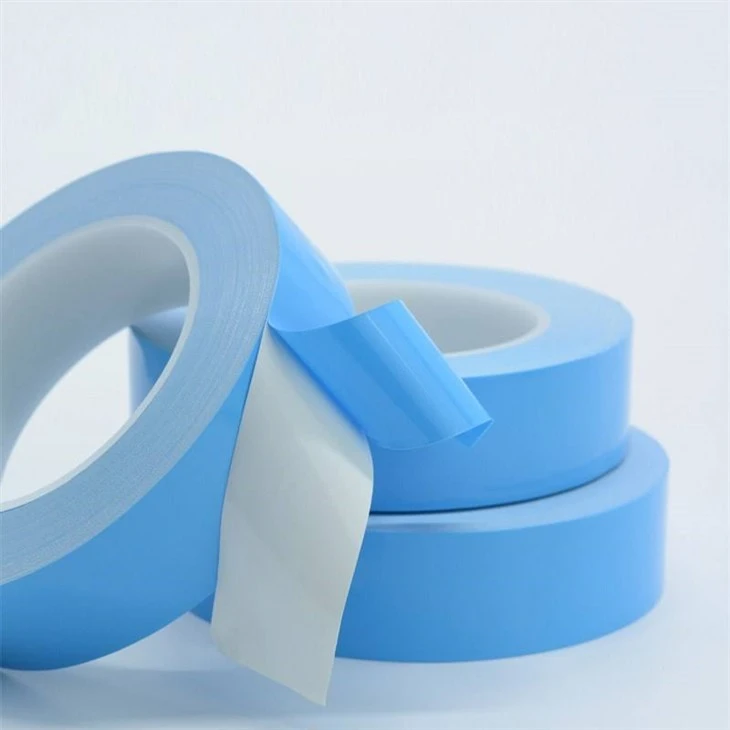
Microcontrollers generate heat during operation, and excessive heat can lead to reduced performance and even failure. Some potting silicones have good thermal conductivity properties. They can transfer heat away from the microcontroller to the surrounding environment, helping to keep the temperature within a safe operating range. This is where Thermal Conductive Adhesive Tape can also play a role in enhancing thermal management when used in conjunction with potting silicone.
Vibration and Shock Resistance
In many applications, microcontrollers are subjected to vibrations and shocks. For example, in automotive or industrial machinery, the constant movement can cause mechanical stress on the components. The flexibility of potting silicone allows it to absorb these vibrations and shocks, protecting the microcontroller from damage.
Chemical Resistance
Microcontrollers may be exposed to various chemicals in their operating environment. Potting silicone provides a barrier against chemicals such as solvents, oils, and cleaning agents, preventing them from corroding or degrading the microcontroller.
Advantages of Using Potting Silicone for Microcontroller Potting
Ease of Application
Potting silicone is relatively easy to apply. The two - part system can be mixed in the correct ratio and then poured or dispensed onto the microcontroller. It can conform to the shape of the component, filling all the gaps and voids. This makes it suitable for complex - shaped microcontroller assemblies.
Electrical Insulation
Silicone is an excellent electrical insulator. It helps to prevent electrical interference between different components on the circuit board, ensuring the proper functioning of the microcontroller. This is particularly important in high - frequency applications where electrical noise can affect the performance of the device.
Long - Term Stability
Potting silicone has good long - term stability. It can withstand a wide range of temperatures, from extremely cold to hot conditions, without significant degradation of its properties. This means that the protection it provides to the microcontroller will last for a long time, reducing the need for frequent maintenance or replacement.
Considerations When Using Potting Silicone for Microcontrollers
Curing Time
The curing time of potting silicone can vary depending on the type and formulation. Some silicones cure quickly at room temperature, while others may require elevated temperatures or longer curing times. It is important to consider the curing time during the manufacturing process, as it can affect the production efficiency.
Outgassing
During the curing process, some potting silicones may release small amounts of gases. These gases can potentially damage the microcontroller if they are corrosive or cause electrical interference. It is important to choose a potting silicone with low outgassing properties, especially for high - precision microcontroller applications.

Compatibility
Not all potting silicones are compatible with all types of microcontrollers and circuit board materials. Some silicones may react with certain metals or plastics, causing discoloration, swelling, or other forms of damage. It is essential to test the compatibility of the potting silicone with the specific microcontroller and circuit board materials before full - scale production.
Related Silicone Products
In addition to potting silicone, there are other silicone - based products that can be used in conjunction with microcontroller potting. For example, rtv silicone rubber adhesive sealant can be used for sealing the edges of the potting area, providing an extra layer of protection against moisture and contaminants. Fire - Resistant Silicone Rubber Sheet can be used in applications where fire safety is a concern, providing an additional level of protection for the microcontroller.
Conclusion
In conclusion, potting silicone can be an excellent choice for potting microcontrollers. It offers a range of benefits, including protection against moisture, thermal management, vibration and shock resistance, and chemical resistance. However, it is important to consider the curing time, outgassing, and compatibility when using potting silicone.
If you are looking for high - quality potting silicone or other silicone - based products for your microcontroller applications, we are here to help. Our team of experts can provide you with detailed technical information and guidance to ensure that you choose the right product for your specific needs. We welcome you to contact us for procurement discussions and explore how our products can enhance the performance and reliability of your microcontroller - based devices.
References
- "Handbook of Electronic Packaging Technology", Second Edition, edited by Rao R. Tummala.
- "Silicone Elastomers: Science and Technology", by Werner Oswald and Hans - Ulrich Bertram.
- Technical datasheets of various potting silicone products.