

Can potting silicone be used for potting transformers? Well, let's dive right into this topic. As a potting silicone supplier, I've had my fair share of questions about the compatibility of potting silicone with transformers.
First off, what is potting silicone? Potting silicone is a type of material that's used to encapsulate or "pot" electronic components. It provides protection against environmental factors like moisture, dust, and vibrations. It also helps in heat dissipation, which is crucial for the proper functioning of electronic devices.
Now, when it comes to transformers, they're pretty important pieces of equipment. They're used to transfer electrical energy between circuits through electromagnetic induction. Transformers generate heat during operation, and if this heat isn't managed properly, it can lead to a decrease in efficiency and even damage to the transformer.

So, can potting silicone be used for potting transformers? The answer is yes, and here's why.
Advantages of Using Potting Silicone for Transformers
1. Thermal Management
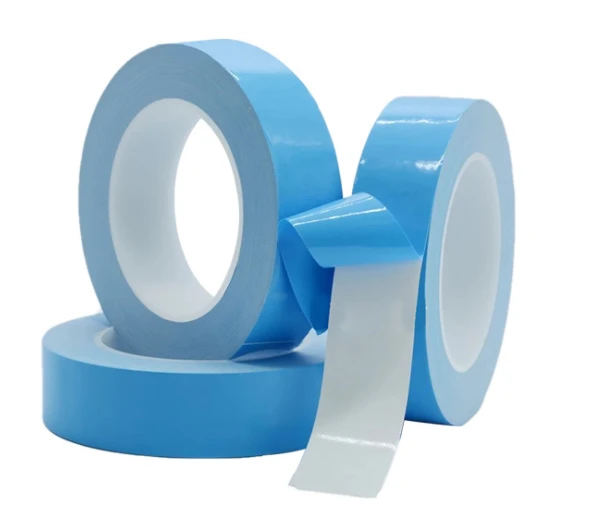
One of the key benefits of using potting silicone for transformers is its ability to manage heat. Potting silicone has good thermal conductivity, which means it can transfer heat away from the transformer components. This helps in keeping the temperature of the transformer within a safe operating range. For example, some high - quality potting silicones can conduct heat effectively, preventing overheating and extending the lifespan of the transformer. You can check out our Thermal Conductive Adhesive Tape which also plays a role in thermal management.
2. Electrical Insulation
Transformers deal with high voltages and currents. Potting silicone provides excellent electrical insulation properties. It prevents electrical arcing and short - circuits, which are major safety hazards. By encapsulating the transformer components with potting silicone, we create a barrier that protects the electrical parts from external interference and reduces the risk of electrical failures.
3. Environmental Protection
Transformers are often exposed to harsh environmental conditions. Potting silicone acts as a shield against moisture, dust, and chemicals. Moisture can cause corrosion of the transformer windings and other components, while dust can accumulate and affect the performance. Potting silicone seals the transformer, keeping these harmful elements out and ensuring reliable operation.
4. Vibration and Shock Resistance
Transformers can experience vibrations and shocks during transportation or operation. Potting silicone has good flexibility and can absorb these mechanical stresses. It helps in preventing damage to the delicate internal components of the transformer, such as the windings and core.
Types of Potting Silicone for Transformers
There are different types of potting silicone available, and the choice depends on the specific requirements of the transformer.
1. Room Temperature Vulcanizing (RTV) Silicone
RTV silicone is a popular choice for potting transformers. It cures at room temperature, which makes it easy to use. It has good adhesion properties and can conform to the shape of the transformer components. Our Black Adhesive Sealant Silicone Rtv is an example of an RTV silicone that can be used for potting applications.
2. High - Temperature Silicone
For transformers that operate at high temperatures, high - temperature silicone is a better option. These silicones can withstand elevated temperatures without losing their physical and electrical properties. They are designed to provide long - term protection in extreme heat conditions.
3. Flame - Retardant Silicone
In some applications, fire safety is a major concern. Flame - retardant silicone can be used to pot transformers. It has the ability to self - extinguish in case of a fire, reducing the risk of spreading flames. You can take a look at our Fire - Resistant Silicone Rubber Sheet which also offers fire - resistant properties.
Considerations When Using Potting Silicone for Transformers
1. Compatibility
It's important to ensure that the potting silicone is compatible with the materials used in the transformer. Some silicones may react with certain metals or plastics, which can lead to degradation of the components. Before using a potting silicone, it's a good idea to conduct compatibility tests.
2. Curing Time
The curing time of the potting silicone can affect the production process. If the curing time is too long, it can slow down the manufacturing of the transformers. On the other hand, if it cures too quickly, it may not have enough time to properly encapsulate the components.
3. Application Method
The method of applying the potting silicone is also crucial. It should be applied evenly to ensure complete coverage of the transformer components. There are different application methods available, such as pouring, spraying, or brushing, and the choice depends on the size and shape of the transformer.
Case Studies
Let's take a look at a couple of case studies to see how potting silicone has been successfully used for transformers.
Case Study 1: Industrial Transformer
An industrial transformer was experiencing overheating issues due to poor heat dissipation. The transformer was potted with a high - thermal - conductivity potting silicone. After the potting process, the temperature of the transformer dropped significantly, and the efficiency improved. The transformer also showed better resistance to environmental factors, and the maintenance cost was reduced.
Case Study 2: Power Distribution Transformer
A power distribution transformer was located in an area with high humidity and dust. It was potted with a moisture - and dust - resistant potting silicone. The potting protected the transformer from corrosion and dust accumulation. As a result, the transformer had fewer breakdowns, and the reliability of the power distribution system was enhanced.
Conclusion
In conclusion, potting silicone can definitely be used for potting transformers. It offers numerous advantages in terms of thermal management, electrical insulation, environmental protection, and vibration resistance. There are different types of potting silicone available to meet the specific needs of transformers. However, it's important to consider factors like compatibility, curing time, and application method.
If you're in the market for potting silicone for your transformers, we're here to help. We're a leading potting silicone supplier, and we have a wide range of products to choose from. Whether you need RTV silicone, high - temperature silicone, or flame - retardant silicone, we've got you covered. Contact us to start a procurement discussion and find the best potting silicone solution for your transformers.
References
- "Handbook of Electronic Packaging Materials"
- "Electrical Insulation for Rotating Machines"