

Can potting silicone be used on plastic? That's a question I get asked a lot as a Potting Silicone supplier. In this blog, I'll break down the ins and outs of using potting silicone on plastic, sharing what I've learned from years in the adhesive game.
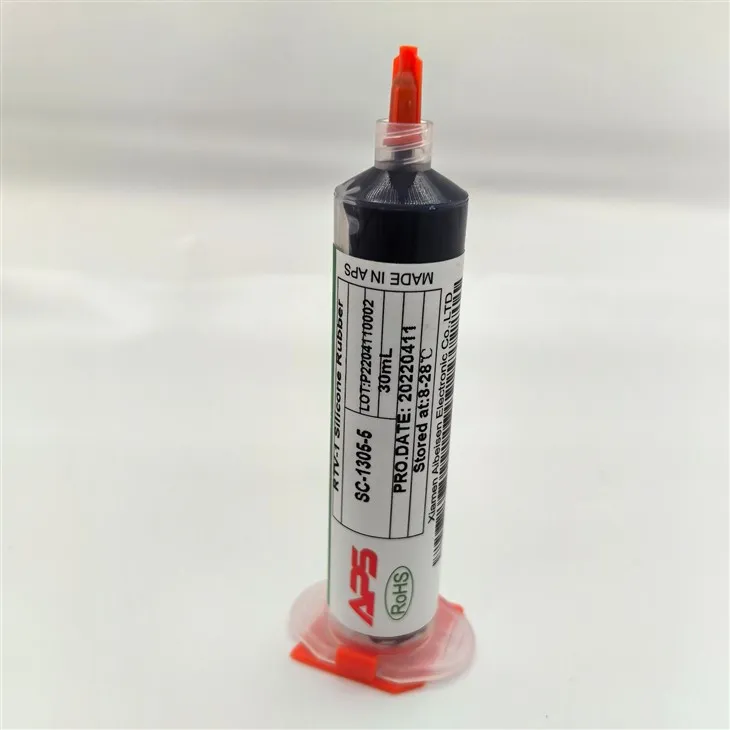
First off, let's talk about what potting silicone is. Potting silicone, as you can check out Potting Silicone, is a type of silicone adhesive that's great for protecting electronic components. It fills up spaces, seals out moisture, dust, and other nasties, and helps with thermal management. It's like a protective shield for your delicate electronics.
Now, onto plastic. Plastic comes in all shapes, sizes, and types. There are thermoplastics, thermosets, and elastomers, each with its own properties. Some plastics are rigid, some are flexible, and they react differently to adhesives. So, can potting silicone bond well with plastic? The answer is, it depends.
Compatibility Factors
The key to using potting silicone on plastic is compatibility. Different plastics have different surface energies, and for an adhesive to bond properly, it needs to wet out the surface. That means the silicone has to spread evenly across the plastic and form a good contact.
For example, polycarbonate and ABS plastics are relatively easy to bond with potting silicone. They have a decent surface energy, which allows the silicone to adhere well. On the other hand, plastics like polyethylene and polypropylene are more challenging. These plastics have low surface energies, and the potting silicone may not stick as effectively.
To improve the bond with low - energy plastics, surface treatment is often necessary. You can use techniques like plasma treatment, corona treatment, or chemical etching. These methods increase the surface energy of the plastic, making it more receptive to the potting silicone.
Advantages of Using Potting Silicone on Plastic
If you can get the bond right, there are some great advantages to using potting silicone on plastic.
Protection: Potting silicone provides excellent protection for plastic - enclosed electronic components. It can prevent moisture from seeping in, which is a major cause of corrosion and failure in electronics. It also guards against dust and debris, keeping your components clean and functional.
Thermal Management: Many potting silicones have good thermal conductivity. When used on plastic, they can help transfer heat away from the electronic components, preventing overheating. This is especially important in high - power applications. If you're interested in thermal solutions, you might also want to look at Thermal Conductive Adhesive Tape.
Flexibility: Potting silicone is flexible, which means it can withstand vibrations and mechanical stresses. When used on plastic, it can absorb shock and prevent the plastic from cracking or breaking due to movement.

Challenges and Solutions
Of course, there are some challenges when using potting silicone on plastic.
Outgassing: Some plastics may outgas certain chemicals during the curing process of the potting silicone. These chemicals can react with the silicone, causing discoloration, poor adhesion, or even bubbling. To avoid this, it's important to test the plastic and the potting silicone together before full - scale production. You can do a small - scale test to see if there are any adverse reactions.
Curing Time: The curing time of potting silicone can be affected by the plastic it's in contact with. Some plastics may act as heat insulators, slowing down the curing process. You may need to adjust the curing conditions, such as temperature and humidity, to ensure proper curing.
Application Tips
Here are some tips for using potting silicone on plastic:
Clean the Surface: Before applying the potting silicone, make sure the plastic surface is clean. Use a suitable solvent to remove any dirt, grease, or fingerprints. A clean surface will improve the adhesion of the silicone.
Mix Properly: If your potting silicone is a two - part system, make sure to mix the components thoroughly. Incomplete mixing can lead to poor curing and weak bonds.
Apply in Layers: For thicker potting applications, it's better to apply the silicone in layers. This allows for better control of the curing process and reduces the risk of air bubbles.
Case Studies
Let's look at a couple of real - world examples.
A customer was using a plastic housing for a small electronic sensor. They wanted to protect the sensor from moisture and dust. They tried using a Black Rtv Silicone Adhesive Sealant on the plastic. After some initial tests, they found that the bond was not strong enough. They then switched to our potting silicone. By pre - treating the plastic surface with a light abrasive and cleaning it thoroughly, they were able to achieve a strong and reliable bond. The sensor was well - protected, and there were no issues with moisture ingress.
Another case involved a plastic - based LED lighting fixture. The customer needed to pot the LED driver to improve its thermal performance. They used our potting silicone, which had good thermal conductivity. The silicone was able to transfer the heat from the driver to the plastic housing effectively, reducing the operating temperature of the driver and extending its lifespan.
Conclusion
So, can potting silicone be used on plastic? Absolutely, but it requires careful consideration of the plastic type, proper surface preparation, and the right application techniques. If you're in the market for potting silicone for your plastic - related projects, I'd love to help. Whether you're dealing with a simple electronic device or a complex industrial application, we have the expertise and the products to meet your needs.
If you're interested in learning more about our potting silicone products or have any questions about using them on plastic, don't hesitate to reach out. Let's start a conversation and find the best solution for your project.
References
- "Handbook of Adhesives and Sealants", Second Edition, Edited by Henry S. Katz and Allan W. Miles
- "Adhesive Bonding: Science, Technology, and Applications", Edited by S. David Roberts