

Hey there! As a supplier of silicone thermal pads, I often get asked if these nifty little pads can be used in smart home devices. Well, you bet they can! In this blog post, I'm gonna break down why silicone thermal pads are a great fit for smart home tech and how they can make your devices run smoother.
First off, let's talk about what silicone thermal pads are. They're basically soft, squishy pads made from silicone material that have the awesome ability to conduct heat. You can check out more about Thermally Conductive Silicone Sheet on our website. These pads are designed to transfer heat from one component to another, which is super important in electronic devices, including smart home gadgets.
Smart home devices are all around us these days. From smart thermostats that keep our homes at the perfect temperature to smart security cameras that watch over our property, these devices are packed with electronics that generate heat. And just like any other electronic device, if the heat isn't managed properly, it can lead to all sorts of problems.
One of the main benefits of using silicone thermal pads in smart home devices is their ability to improve thermal management. When a smart home device is running, its components generate heat. If this heat builds up, it can cause the device to overheat, which can lead to reduced performance, shorter lifespan, and even permanent damage. Silicone thermal pads act as a bridge between the heat-generating component and a heat sink or other cooling device, allowing the heat to be transferred away from the component and dissipated into the surrounding environment.
Another great thing about silicone thermal pads is their flexibility. They can be easily cut and shaped to fit the specific needs of different smart home devices. Whether you're dealing with a small, compact smart plug or a larger, more complex smart hub, silicone thermal pads can be customized to provide the perfect fit. This flexibility also makes them easy to install, which is a big plus for manufacturers and DIY enthusiasts alike.
Silicone thermal pads are also highly durable. They can withstand a wide range of temperatures and environmental conditions, making them suitable for use in all sorts of smart home devices. Whether your smart home device is installed in a hot, humid attic or a cold, dry basement, silicone thermal pads can continue to perform effectively, ensuring that your device stays cool and reliable.
Let's take a closer look at some specific smart home devices and how silicone thermal pads can be used in them.
Smart Thermostats
Smart thermostats are one of the most popular smart home devices on the market. They allow you to control the temperature of your home from your smartphone or other mobile device, making it easier to save energy and money. Inside a smart thermostat, there are several electronic components that generate heat, including the microcontroller, sensors, and wireless communication module. By using silicone thermal pads, the heat generated by these components can be transferred to a heat sink or other cooling device, preventing the thermostat from overheating and ensuring accurate temperature readings.
Smart Security Cameras
Smart security cameras are another essential smart home device. They provide round-the-clock surveillance of your home, allowing you to keep an eye on things even when you're away. These cameras typically have high-resolution sensors and powerful processors that generate a significant amount of heat. Silicone thermal pads can be used to transfer the heat away from these components, ensuring that the camera operates at optimal performance and doesn't experience any thermal-related issues.
Smart Speakers
Smart speakers have become a staple in many households. They allow you to play music, control your smart home devices, and get information from virtual assistants like Amazon Alexa or Google Assistant. Inside a smart speaker, there are several components that generate heat, including the amplifier, speaker driver, and microcontroller. Silicone thermal pads can be used to transfer the heat away from these components, preventing the speaker from overheating and ensuring clear, high-quality sound.
Smart Lighting Systems
Smart lighting systems are a great way to add convenience and energy efficiency to your home. They allow you to control your lights from your smartphone or other mobile device, and some even offer features like color-changing and dimming. Inside a smart light bulb or lighting control module, there are electronic components that generate heat. Silicone thermal pads can be used to transfer the heat away from these components, ensuring that the lights operate at optimal performance and don't experience any thermal-related issues.
In addition to these specific smart home devices, silicone thermal pads can also be used in a variety of other smart home applications. For example, they can be used in smart locks, smart doorbells, and smart home automation systems. The possibilities are endless!
Now, let's talk about the thermal conductivity of silicone thermal pads. Thermal conductivity is a measure of how well a material conducts heat. The higher the thermal conductivity, the better the material is at transferring heat. Silicone thermal pads typically have a thermal conductivity ranging from 0.5 to 5.0 W/mK, depending on the specific product. If you want to learn more about Silicone Pad Thermal Conductivity, you can visit our website.
When choosing a silicone thermal pad for a smart home device, it's important to consider the thermal conductivity requirements of the device. If the device generates a lot of heat, you'll need a thermal pad with a higher thermal conductivity to ensure effective heat transfer. On the other hand, if the device generates less heat, a thermal pad with a lower thermal conductivity may be sufficient.
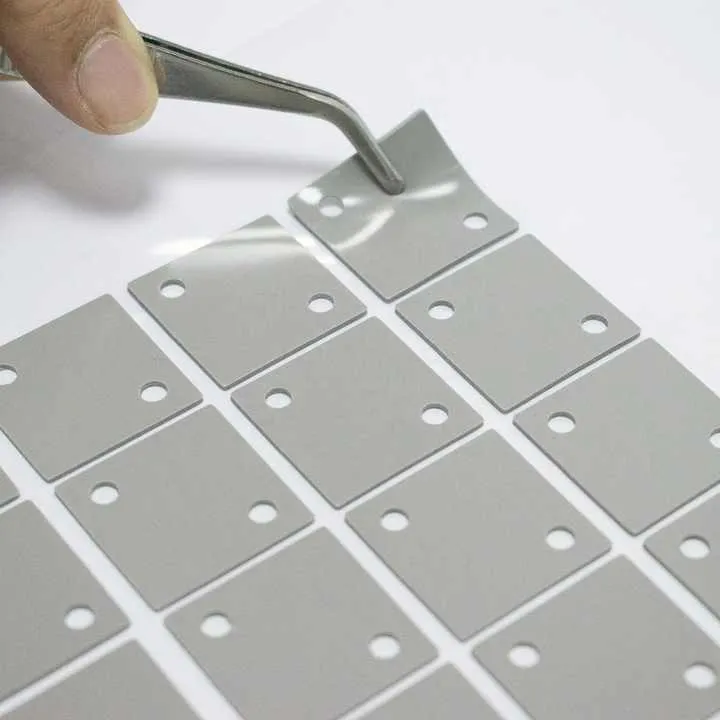

It's also worth noting that silicone thermal pads come in different thicknesses. Thicker pads generally have a higher thermal conductivity, but they may also be less flexible. Thinner pads, on the other hand, are more flexible but may have a lower thermal conductivity. When choosing a silicone thermal pad, you'll need to balance the thermal conductivity requirements of the device with the flexibility and ease of installation.
In conclusion, silicone thermal pads are a great choice for use in smart home devices. They offer excellent thermal management, flexibility, durability, and ease of installation. Whether you're a manufacturer looking to improve the performance of your smart home devices or a DIY enthusiast looking to upgrade your existing smart home setup, silicone thermal pads can help you achieve your goals.
If you're interested in learning more about our silicone thermal pads or have any questions about using them in your smart home devices, please don't hesitate to contact us. We'd be happy to discuss your specific needs and help you find the right solution for your application.
References
- "Thermal Management in Electronic Devices." Electronics Cooling Magazine.
- "Silicone Thermal Pads: A Comprehensive Guide." Thermal Solutions Journal.