

Do silicone thermal pads come with adhesive? This is a question that many customers in the electronics and thermal management industry often ask. As a supplier of silicone thermal pads, I'm here to provide you with a comprehensive answer.
Understanding Silicone Thermal Pads
Silicone thermal pads are widely used in electronic devices to transfer heat from heat - generating components, such as CPUs, GPUs, and power transistors, to heat sinks or other cooling devices. They are made of silicone material with high thermal conductivity, which can effectively fill the microscopic gaps between the heat source and the heat sink, improving the efficiency of heat transfer.
Adhesive on Silicone Thermal Pads
Not all silicone thermal pads come with adhesive. The decision to include adhesive depends on various factors, including the application requirements, user preferences, and the design of the thermal management system.

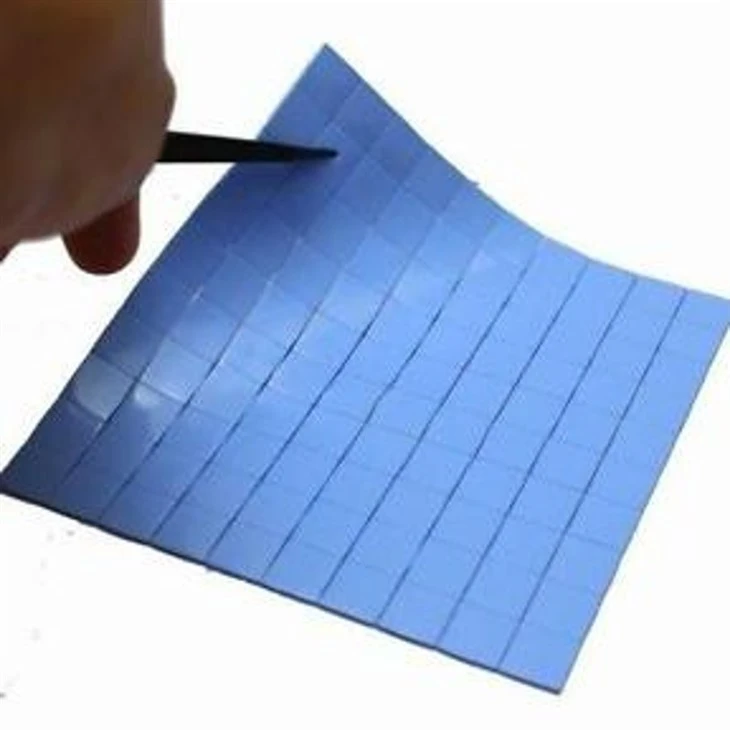
Pads without Adhesive
Many standard silicone thermal pads do not have adhesive on them. These pads rely on the pressure exerted by the mechanical fasteners, such as screws or clips, to maintain contact between the heat source and the heat sink. The advantage of non - adhesive thermal pads is their reusability. If you need to disassemble the device for maintenance or component replacement, you can easily remove the thermal pad without leaving any sticky residue on the surfaces. This type of thermal pad is suitable for applications where frequent disassembly and reassembly are required. For example, in some high - end gaming computers, users may upgrade their CPUs or GPUs regularly. Non - adhesive thermal pads allow them to make these changes without the hassle of dealing with adhesive residue.
Pads with Adhesive
On the other hand, some silicone thermal pads come with adhesive on one or both sides. Adhesive thermal pads are very convenient for applications where a quick and easy installation is needed. They can be directly attached to the heat source or the heat sink, eliminating the need for additional mechanical fasteners in some cases. This is especially useful in small - sized electronic devices, such as mobile phones, tablets, and wearable devices, where space is limited and there may not be enough room for complex fastening mechanisms.
The adhesive used on thermal pads is carefully formulated to have good thermal conductivity so that it does not significantly impede the heat transfer process. However, it is important to note that once an adhesive thermal pad is attached, it is difficult to remove without damaging the pad or leaving some residue. Therefore, these pads are more suitable for applications where the device is not likely to be disassembled.
Our Product Offerings
As a silicone thermal pad supplier, we offer both types of thermal pads to meet the diverse needs of our customers. Our Cooling Thermal Pad series includes non - adhesive options for those who require reusability and flexibility in their thermal management solutions. These pads have excellent thermal conductivity and are available in various thicknesses and sizes to fit different applications.
For customers who need easy - to - install solutions, our Good Thermal Pads with adhesive are a great choice. They are designed to provide reliable heat transfer while ensuring a secure and hassle - free installation.
In addition, our Best Thermal Pad Cpu products are specifically tailored for CPU cooling applications. Whether you need an adhesive or non - adhesive pad, we have the right solution to keep your CPU running at optimal temperatures.
Factors to Consider When Choosing
When deciding whether to choose a silicone thermal pad with or without adhesive, there are several factors you should consider:
Application Requirements
If your application involves frequent disassembly and reassembly, a non - adhesive thermal pad is likely the better choice. For example, in industrial control systems where components may need to be replaced or repaired regularly, non - adhesive pads offer greater flexibility. On the other hand, if your device is a consumer product that is not expected to be opened after assembly, an adhesive thermal pad can simplify the manufacturing process.
Thermal Performance
Both adhesive and non - adhesive thermal pads can provide good thermal performance. However, it is important to ensure that the adhesive used on adhesive pads does not have a significant negative impact on heat transfer. Look for products with high - quality adhesives that are designed to maintain good thermal conductivity.
Cost
Adhesive thermal pads may be slightly more expensive than non - adhesive ones due to the additional cost of the adhesive material and the manufacturing process. Consider your budget when making a decision, but also keep in mind that the long - term benefits of a high - quality thermal pad can outweigh the initial cost difference.
Conclusion
In conclusion, silicone thermal pads can either come with or without adhesive, and each type has its own advantages and disadvantages. As a supplier, we understand the different needs of our customers and strive to provide the best thermal management solutions. Whether you need a non - adhesive pad for its reusability or an adhesive pad for its convenience, we have the products to meet your requirements.
If you are interested in our silicone thermal pads or have any questions about choosing the right product for your application, please feel free to contact us for a purchase consultation. We are committed to providing you with high - quality products and excellent customer service.
References
- "Thermal Management in Electronic Devices" - A technical guide on thermal management principles and materials.
- Industry reports on the latest trends in silicone thermal pads and their applications.