

Hey there! As a silicone adhesive supplier, I often get asked whether silicone adhesive shrinks when drying. It's a pretty common concern, especially for those who are using our products for sealing, bonding, or other applications where precise dimensions matter. So, let's dive right into this topic and find out what's really going on.
First off, it's important to understand that silicone adhesive is a type of elastomer. Elastomers are materials that can stretch and return to their original shape, which is one of the reasons why silicone adhesives are so popular. They offer great flexibility, durability, and resistance to various environmental factors. But what about shrinkage?
The short answer is: yes, silicone adhesive can shrink when drying, but the amount of shrinkage can vary depending on several factors. One of the main factors is the type of silicone adhesive. There are different formulations of silicone adhesives, each with its own characteristics. Some silicone adhesives are designed to have minimal shrinkage, while others may shrink more depending on their chemical composition and intended use.
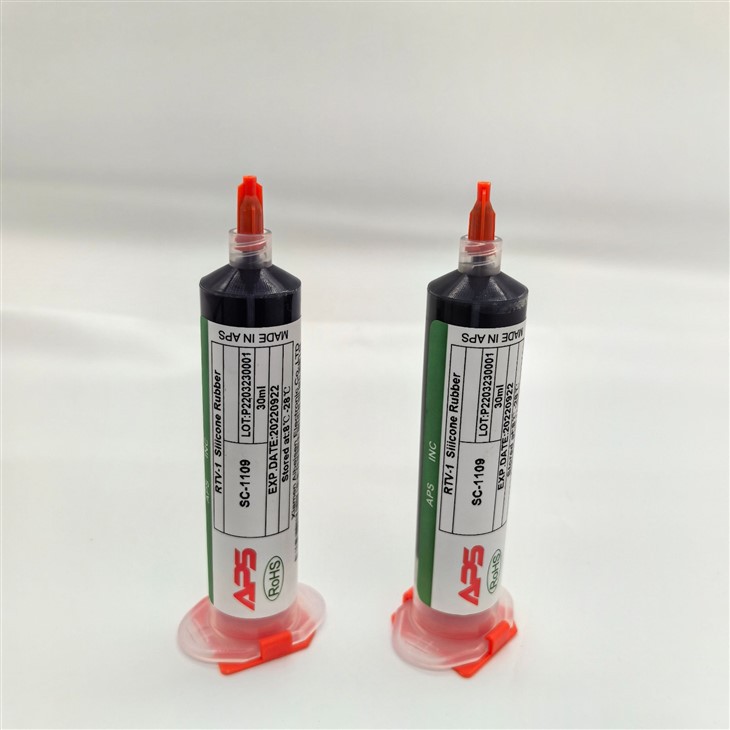
For example, if you're looking for a high - quality silicone adhesive with good performance, you might be interested in our Black Adhesive Sealant Silicone Rtv. This product is formulated to provide excellent sealing properties and relatively low shrinkage. It's great for applications where you need a tight seal without significant dimensional changes.
Another option is our Black Rtv Silicone Adhesive Sealant. This adhesive is also known for its reliable performance and is often used in industrial and household applications. It has been carefully developed to keep shrinkage to a reasonable level, ensuring that your projects turn out as expected.
Now, let's talk about the factors that can affect the shrinkage of silicone adhesive. One of the key factors is the curing process. Silicone adhesives cure through a chemical reaction, which can be influenced by temperature, humidity, and air circulation. In general, higher temperatures and lower humidity can speed up the curing process, but they may also cause more shrinkage.
When the silicone adhesive cures, it releases volatile components. As these components evaporate, the adhesive can lose some volume, resulting in shrinkage. The rate of evaporation and the amount of volatile components in the adhesive formulation play a big role in how much shrinkage occurs.
For instance, if you're working in a hot and dry environment, the silicone adhesive may cure faster, but it could also shrink more. On the other hand, in a cool and humid environment, the curing process may be slower, and the shrinkage might be less. However, it's important to note that very high humidity can sometimes cause problems with the curing of the adhesive, so finding the right balance is crucial.
The thickness of the adhesive layer also matters. A thicker layer of silicone adhesive will generally shrink more than a thinner layer. This is because there is more material that needs to go through the curing process and release volatile components. So, when applying silicone adhesive, it's a good idea to apply it in an even and appropriate thickness according to the manufacturer's instructions.
The substrate that the silicone adhesive is applied to can also have an impact on shrinkage. Different materials have different surface properties and levels of porosity. A porous substrate may absorb some of the adhesive, which can affect the curing process and potentially lead to more shrinkage. For example, if you're applying silicone adhesive to a porous wood surface, it might behave differently compared to applying it to a smooth metal surface.
Now, let's look at some real - world applications and how shrinkage can affect them. In the construction industry, silicone adhesives are often used for sealing joints between building materials. If the adhesive shrinks too much, it can create gaps in the seal, which can lead to water leakage, air infiltration, and reduced energy efficiency. That's why it's so important to choose a silicone adhesive with low shrinkage for these types of applications.
In the automotive industry, silicone adhesives are used for bonding various components. Shrinkage in this context can affect the alignment and performance of parts. For example, if a silicone adhesive used to bond a dashboard component shrinks, it could cause the component to become misaligned or develop cracks over time.
Our rtv silicone rubber adhesive sealant is a great choice for many of these applications. It has been tested and proven to provide reliable bonding and sealing with controlled shrinkage, ensuring that your products and structures perform well.
So, how can you minimize the shrinkage of silicone adhesive? First of all, make sure to follow the manufacturer's instructions carefully. This includes proper surface preparation, application techniques, and curing conditions. Clean the substrate thoroughly before applying the adhesive to ensure good adhesion. Use the right tools to apply the adhesive evenly and at the recommended thickness.
Also, try to control the environment as much as possible. If you're working indoors, you can use a dehumidifier or a heater to adjust the temperature and humidity levels. This can help to achieve a more consistent curing process and reduce shrinkage.
If you're still not sure which silicone adhesive is the best for your specific application, don't hesitate to reach out to us. We have a team of experts who can provide you with detailed advice and guidance based on your needs. Whether you're a DIY enthusiast or a professional in an industry, we're here to help you find the right product.
In conclusion, while silicone adhesive can shrink when drying, there are ways to manage and minimize this shrinkage. By choosing the right product, following the proper application and curing procedures, and controlling the environment, you can ensure that your projects using silicone adhesive turn out great.
If you're interested in purchasing our silicone adhesives or have any questions about shrinkage or other product - related issues, feel free to contact us. We're always happy to assist you with your procurement needs and have in - depth discussions about how our products can meet your requirements. Looking forward to hearing from you!

References
- "Silicone Adhesives: Chemistry and Applications" by various authors in the field of polymer science.
- Industry reports on the performance and characteristics of silicone adhesives.