

Hey there! As a supplier of Thermal Gap Pads, I've seen firsthand how these little guys can make a huge difference in device performance. So, let's dive right in and chat about how Thermal Gap Pads affect device performance.
What Are Thermal Gap Pads Anyway?
Before we get into the nitty - gritty of how they impact device performance, let's quickly define what Thermal Gap Pads are. They're basically soft, compressible materials that are designed to fill the gaps between heat - generating components (like processors) and heat sinks. Their main job is to improve heat transfer, which is super important for keeping your devices running cool.
Heat Dissipation and Device Efficiency
One of the most significant ways Thermal Gap Pads affect device performance is through heat dissipation. You see, when a device like a computer or a smartphone is in use, its components generate a ton of heat. If this heat isn't dissipated properly, it can cause the device to slow down, or even worse, lead to permanent damage.
Thermal Gap Pads act as a bridge between the hot component and the heat sink. They fill in the tiny air gaps that would otherwise act as insulators, preventing efficient heat transfer. By providing a more direct path for heat to flow from the component to the heat sink, Thermal Gap Pads help the device to maintain a lower operating temperature.
For example, take a high - end gaming PC. The processor in a gaming PC works really hard, especially when you're running graphically intensive games. Without a good Thermal Gap Pad, the heat generated by the processor might not be transferred effectively to the heat sink. This can cause the processor to throttle, which means it reduces its performance to avoid overheating. But when you use a quality Thermal Pad For Processor, you can ensure that the heat is dissipated quickly, allowing the processor to run at its full potential.
Noise Reduction
Another cool aspect of Thermal Gap Pads is their ability to reduce noise in devices. When a device gets hot, the fans in the cooling system have to work harder to keep it cool. This increased fan speed results in more noise.
By improving heat transfer, Thermal Gap Pads help to keep the temperature down, which in turn allows the fans to run at a lower speed. So, you end up with a quieter device. This is particularly important in laptops and home theater systems, where noise can be a real annoyance.
Imagine using a laptop for work in a quiet office. If the laptop's fans are constantly running at high speed because the device is overheating, it can be very distracting. But with a good Thermal Gap Pad, the fans can operate at a more reasonable speed, and you can work in peace.
Device Longevity
Overheating is one of the main factors that can shorten the lifespan of electronic devices. When components are exposed to high temperatures for extended periods, it can cause them to degrade faster. The electrical properties of the materials can change, and the solder joints can become weak.
Thermal Gap Pads help to mitigate this problem by ensuring that the components stay within their optimal temperature range. By reducing the stress on the components due to heat, they can significantly extend the lifespan of the device.
Let's say you have a server in a data center. Servers are expected to run 24/7, and any downtime can be extremely costly. A good Heat Transfer Gap Filler can help to keep the server's components cool, reducing the risk of component failure and increasing the overall reliability of the server.
Flexibility and Compatibility
Thermal Gap Pads come in various shapes, sizes, and levels of softness. This flexibility makes them suitable for a wide range of devices. Whether you're dealing with a small smartphone or a large industrial control system, there's a Thermal Gap Pad that can fit the bill.

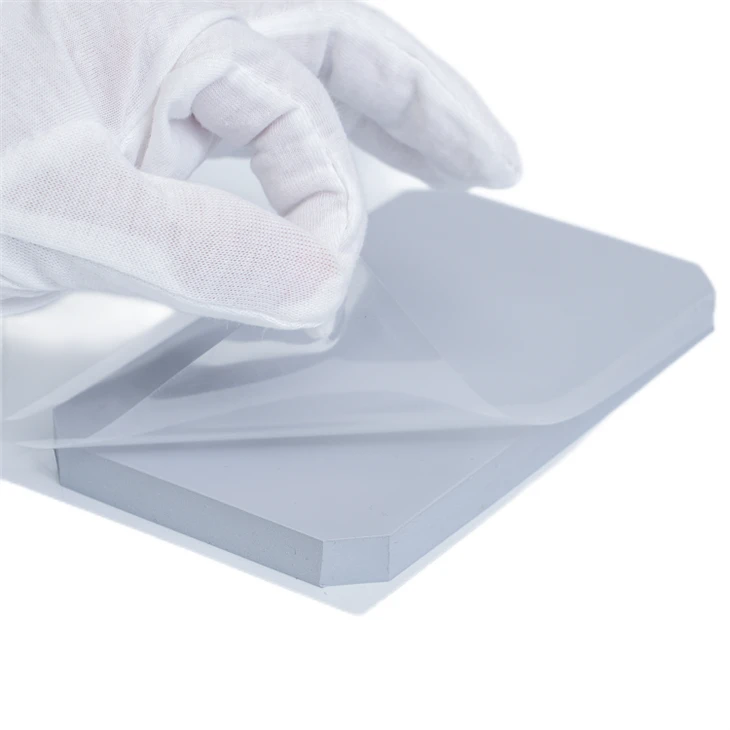
The Ultra Soft Thermal Pad is a great example of this. It's extremely soft and can conform to irregular surfaces easily. This is important because not all heat - generating components and heat sinks have perfectly flat surfaces. The ultra - soft nature of this pad allows it to fill in the gaps effectively, even on uneven surfaces, ensuring optimal heat transfer.
Choosing the Right Thermal Gap Pad
When it comes to choosing a Thermal Gap Pad, there are a few things to consider. First, you need to look at the thermal conductivity of the pad. Thermal conductivity is a measure of how well the material can conduct heat. The higher the thermal conductivity, the better the pad will be at transferring heat.
You also need to consider the thickness of the pad. If the pad is too thick, it might not fit properly in the space between the component and the heat sink. On the other hand, if it's too thin, it might not be able to fill the gaps effectively.
The hardness of the pad is another important factor. A softer pad can conform better to irregular surfaces, but it might also be more prone to damage. A harder pad, on the other hand, is more durable but might not provide as good a fit.
Contact Us for Your Thermal Gap Pad Needs
If you're in the market for high - quality Thermal Gap Pads, look no further. We're a leading supplier of Thermal Gap Pads, and we offer a wide range of products to suit different needs. Whether you're a consumer looking to upgrade your laptop's cooling system or a business in need of thermal solutions for your industrial equipment, we've got you covered.
Our team of experts can help you choose the right Thermal Gap Pad for your specific application. We understand that every device is unique, and we're committed to providing you with the best possible thermal solution. So, if you're interested in learning more or making a purchase, don't hesitate to get in touch. We're here to assist you in improving your device's performance with our top - notch Thermal Gap Pads.
References
- "Thermal Management in Electronic Devices", Journal of Electronic Cooling and Thermal Control
- "The Impact of Thermal Interface Materials on Device Reliability", IEEE Transactions on Components, Packaging and Manufacturing Technology