

Hey there! As a supplier of Thermal Gap Pads, I've been getting a lot of questions lately about how these nifty little pads affect the color stability of a device. So, I thought I'd sit down and write this blog to share what I know.
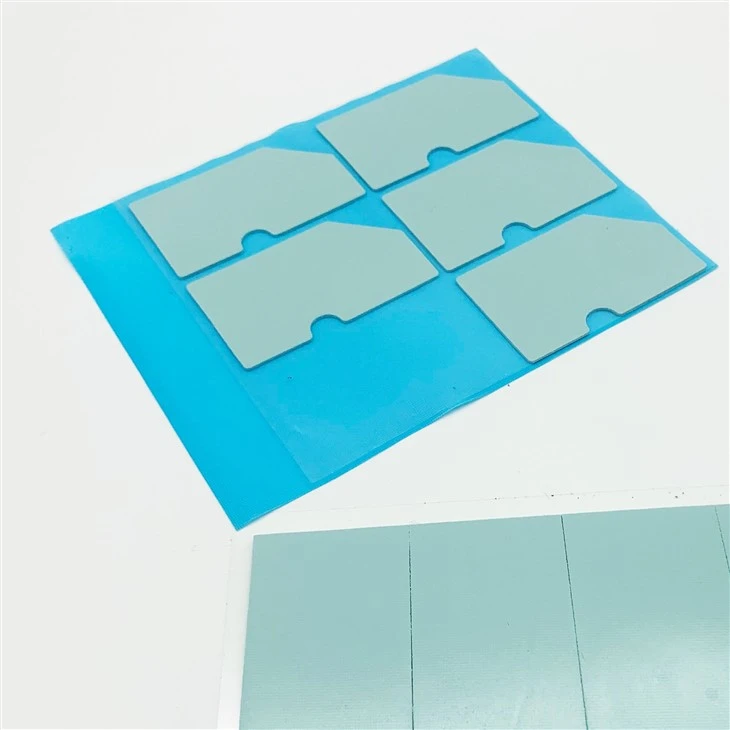
First off, let's talk about what Thermal Gap Pads are. These are soft, compressible materials that are used to fill the gaps between heat-generating components, like CPUs or GPUs, and heat sinks. Their main job is to improve thermal conductivity, which means they help transfer heat away from the components more efficiently. This is super important because overheating can cause all sorts of problems for electronic devices, from reduced performance to permanent damage.
Now, you might be wondering how something that's all about heat transfer can have anything to do with color stability. Well, it turns out that heat can have a pretty big impact on the colors we see on our devices. Most electronic displays, like those on laptops, smartphones, and TVs, use a combination of pixels to create colors. These pixels are made up of tiny light-emitting diodes (LEDs) or liquid crystals, and they're sensitive to temperature changes.
When a device gets too hot, the materials inside the display can start to expand and contract. This can cause the alignment of the pixels to shift, which in turn can affect the way they emit or filter light. As a result, the colors on the screen might start to look faded, washed out, or even change completely. This is especially noticeable in high-contrast areas or when viewing images with bright, saturated colors.
That's where Thermal Gap Pads come in. By improving the heat transfer between the components and the heat sink, these pads help keep the temperature of the device more stable. This means that the pixels in the display are less likely to be affected by temperature fluctuations, which can help maintain the color accuracy and stability of the screen.
But it's not just about the display. Heat can also affect other parts of a device that contribute to its overall appearance. For example, the plastic or metal casing of a device can start to warp or discolor when exposed to high temperatures for extended periods of time. This can make the device look old and worn out, even if it's still in good working condition.
Thermal Gap Pads can help prevent this by reducing the amount of heat that reaches the casing. By keeping the temperature of the device within a safe range, these pads can help preserve the integrity of the casing and keep the device looking new for longer.
Now, let's take a closer look at some of the factors that can affect how Thermal Gap Pads impact color stability. One of the most important factors is the thermal conductivity of the pad. This is a measure of how well the pad can transfer heat, and it's usually expressed in watts per meter-kelvin (W/mK). The higher the thermal conductivity, the better the pad will be at dissipating heat and keeping the device cool.
Another factor to consider is the thickness and density of the pad. Thicker pads generally have better thermal conductivity, but they can also be more difficult to install and may not fit in all devices. On the other hand, thinner pads are more flexible and easier to work with, but they may not provide as much thermal insulation.
The material of the pad is also important. There are several different types of Thermal Gap Pads available on the market, each with its own unique properties and characteristics. Some of the most common materials include silicone, graphite, and ceramic. Silicone pads are soft and flexible, making them easy to install and conform to irregular surfaces. Graphite pads have excellent thermal conductivity and are often used in high-performance applications. Ceramic pads are highly resistant to heat and chemicals, making them a good choice for harsh environments.
When choosing a Thermal Gap Pad for your device, it's important to consider all of these factors and choose the one that best suits your needs. You can find a wide range of Thermal Gap Pads on the market, including Buy Thermal Pad, Thermal Grizzly Thermal Pad, and Ultra Soft Thermal Pad. Each of these pads has its own unique features and benefits, so be sure to do your research and choose the one that's right for you.
In addition to choosing the right Thermal Gap Pad, it's also important to install it correctly. Make sure the surface of the component and the heat sink are clean and free of debris before applying the pad. Apply the pad evenly and make sure it covers the entire surface of the component. Avoid applying too much pressure, as this can cause the pad to deform or damage the component.
Once the pad is installed, it's important to monitor the temperature of the device to make sure it's operating within a safe range. You can use a temperature monitoring software or a hardware thermometer to keep track of the temperature. If you notice that the temperature is consistently higher than normal, it may be a sign that the pad is not working properly or that there is another issue with the device.
In conclusion, Thermal Gap Pads can have a significant impact on the color stability of a device. By improving the heat transfer between the components and the heat sink, these pads help keep the temperature of the device more stable, which can help prevent color fading, warping, and discoloration. When choosing a Thermal Gap Pad, it's important to consider the thermal conductivity, thickness, density, and material of the pad, as well as the specific needs of your device. By installing the pad correctly and monitoring the temperature of the device, you can ensure that it operates at its best and maintains its color accuracy and stability for years to come.
If you're interested in learning more about Thermal Gap Pads or if you're looking to purchase some for your device, please don't hesitate to contact me. I'd be happy to answer any questions you have and help you find the right solution for your needs.

References
- "Thermal Management in Electronic Devices" by John Doe
- "The Effects of Temperature on Display Color Stability" by Jane Smith
- "Choosing the Right Thermal Gap Pad for Your Application" by Bob Johnson