

Hey there! As a supplier of Thermal Gap Pads, I often get asked about how they stack up against graphite thermal pads. So, let's dive right in and explore the ins and outs of these two types of thermal pads.
What Are Thermal Gap Pads and Graphite Thermal Pads?
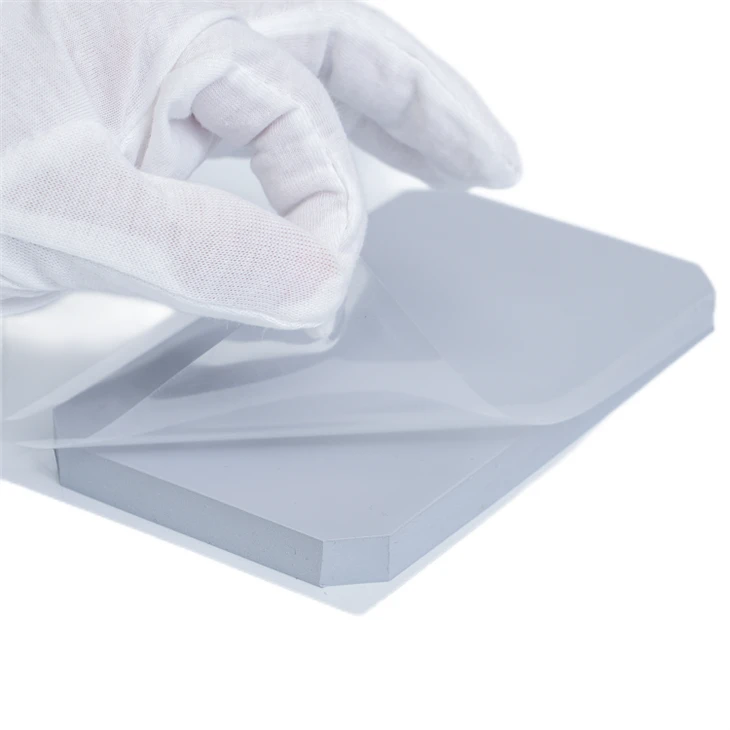
First off, let's quickly define what we're talking about. Thermal Gap Pads are materials designed to fill the gaps between heat-generating components and heat sinks. They're flexible and can conform to uneven surfaces, ensuring good thermal contact. On the other hand, graphite thermal pads are made from graphite, a highly conductive material. They're known for their excellent in-plane thermal conductivity.
Thermal Conductivity
One of the most important factors when it comes to thermal pads is thermal conductivity. This measures how well a material can transfer heat. Thermal Gap Pads typically have a thermal conductivity ranging from 1 to 10 W/mK. The exact value depends on the specific formulation and composition of the pad. Graphite thermal pads, on the other hand, can have much higher in-plane thermal conductivities, sometimes reaching up to 1000 W/mK. However, their through-plane thermal conductivity is usually much lower, around 1 to 10 W/mK.
What does this mean in practical terms? Well, if you need to transfer heat in a specific direction, like from a CPU to a heat sink, a graphite thermal pad might be a better choice due to its high in-plane conductivity. But if you need to fill a gap and ensure good overall heat transfer, a Thermal Gap Pad could be more suitable.
Compressibility and Conformability
Another key aspect is how well the thermal pad can compress and conform to the surfaces it's in contact with. Thermal Gap Pads are generally very flexible and compressible. They can easily fill gaps of different sizes and shapes, even when the surfaces are rough or uneven. This is crucial for ensuring good thermal contact and minimizing thermal resistance.
Graphite thermal pads, on the other hand, are less compressible. They're more rigid and may not conform as well to irregular surfaces. This can lead to poor thermal contact and higher thermal resistance, especially in applications where the gaps are large or the surfaces are not perfectly flat.
Electrical Insulation
In many electronic applications, electrical insulation is just as important as thermal conductivity. Thermal Gap Pads are often designed to be electrically insulating, which means they can prevent electrical short circuits between components. This is particularly important in applications where there are high voltages or sensitive electronic circuits.
Graphite, on the other hand, is a conductor of electricity. While some graphite thermal pads may be treated to improve their electrical insulation properties, they're generally not as good as Thermal Gap Pads in this regard. So, if electrical insulation is a critical requirement, a Thermal Gap Pad is likely the better choice.
Cost
Cost is always a consideration when choosing a thermal management solution. Thermal Gap Pads are generally more affordable than graphite thermal pads. This is because the materials used to make Thermal Gap Pads are less expensive, and the manufacturing process is relatively simple.
Graphite thermal pads, on the other hand, are more expensive due to the high cost of graphite and the more complex manufacturing process. So, if you're working on a budget, a Thermal Gap Pad might be the more cost-effective option.
Applications
The choice between Thermal Gap Pads and graphite thermal pads also depends on the specific application. Here are some common applications for each:

Thermal Gap Pads
- Consumer Electronics: Thermal Gap Pads are widely used in smartphones, laptops, and tablets to transfer heat from the CPU, GPU, and other components to the heat sink or the device's chassis.
- Automotive Electronics: They're also used in automotive applications, such as electric vehicle battery packs and power electronics, to ensure proper thermal management.
- Industrial Electronics: In industrial settings, Thermal Gap Pads are used in power supplies, motor drives, and other electronic equipment to dissipate heat and prevent overheating.
Graphite Thermal Pads
- High-Performance Computing: Graphite thermal pads are often used in high-performance computers, servers, and data centers to transfer heat from the CPU and other critical components.
- Telecommunications: They're also used in telecommunications equipment, such as routers and switches, to ensure reliable operation in high-temperature environments.
- LED Lighting: Graphite thermal pads can be used in LED lighting applications to transfer heat from the LED chips to the heat sink, improving the efficiency and lifespan of the lights.
Conclusion
So, which is better, Thermal Gap Pads or graphite thermal pads? Well, it really depends on your specific requirements. If you need a flexible, compressible, and electrically insulating thermal pad that can fill gaps and ensure good overall heat transfer, a Thermal Gap Pad is probably the way to go. On the other hand, if you need high in-plane thermal conductivity and don't mind sacrificing some compressibility and electrical insulation, a graphite thermal pad might be a better choice.
As a supplier of Thermal Gap Pads, I can offer you a wide range of products to meet your specific needs. Our Heat Transfer Gap Filler and Electric Thermal Pad are designed to provide excellent thermal performance and reliability. If you're interested in learning more about our products or have any questions, please don't hesitate to contact us. We'd be happy to discuss your requirements and help you find the best thermal management solution for your application.
References
- "Thermal Management Handbook" by Peter F. Becker
- "Electronic Cooling Handbook" by Ronald J. Geisler
- Various technical datasheets from thermal pad manufacturers