

Hot melt adhesives have become indispensable in a wide range of industries due to their versatility, quick bonding capabilities, and ease of application. However, understanding how these adhesives perform in different environments is crucial for ensuring the longevity and effectiveness of bonded assemblies. One such environment that often poses challenges is the alkaline environment. In this blog, as a hot melt adhesive supplier, I will delve into the performance of hot melt adhesives in alkaline conditions, exploring the factors that influence their behavior and discussing strategies to optimize their performance.

Understanding Alkaline Environments
Alkaline environments are characterized by a high pH level, typically above 7. These environments can be found in various industrial settings, such as chemical manufacturing, wastewater treatment, and some food processing applications. Alkaline substances, such as sodium hydroxide (NaOH) and potassium hydroxide (KOH), are commonly used in these industries and can have a significant impact on the performance of materials, including hot melt adhesives.
Factors Affecting the Performance of Hot Melt Adhesives in Alkaline Environments
Chemical Composition of the Adhesive
The chemical composition of a hot melt adhesive plays a crucial role in its resistance to alkaline environments. Different types of polymers used in hot melt adhesives have varying degrees of chemical resistance. For example, polyolefin-based hot melt adhesives generally exhibit good resistance to alkaline substances due to their non-polar nature. These adhesives have a relatively stable chemical structure that is less likely to react with alkaline compounds.
On the other hand, some adhesives based on polar polymers, such as polyamides or polyurethanes, may be more susceptible to alkaline attack. The polar groups in these polymers can interact with alkaline substances, leading to chemical degradation and a loss of adhesive properties.
Temperature and Exposure Time
The temperature and duration of exposure to the alkaline environment also significantly affect the performance of hot melt adhesives. Higher temperatures can accelerate chemical reactions between the adhesive and the alkaline substance, leading to more rapid degradation. Additionally, longer exposure times increase the likelihood of the alkaline substance penetrating the adhesive and causing damage to the bonding interface.
For instance, in a high-temperature alkaline cleaning process, the hot melt adhesive may experience more severe degradation compared to a low-temperature, short-term exposure. Therefore, it is essential to consider the specific temperature and exposure time conditions when selecting a hot melt adhesive for an application in an alkaline environment.
Concentration of the Alkaline Substance
The concentration of the alkaline substance in the environment is another critical factor. Higher concentrations of alkaline compounds can increase the rate of chemical reactions with the adhesive, leading to more significant degradation. In some cases, even a relatively short exposure to a highly concentrated alkaline solution can cause the adhesive to lose its bonding strength.
Performance Evaluation of Hot Melt Adhesives in Alkaline Environments
To assess the performance of hot melt adhesives in alkaline environments, several testing methods can be employed. These tests typically involve exposing the bonded samples to alkaline solutions under controlled conditions and then evaluating the changes in adhesive properties.
Bond Strength Testing
One of the most common methods is to measure the bond strength before and after exposure to the alkaline environment. This can be done using a tensile testing machine to determine the force required to break the bond. A significant decrease in bond strength after exposure indicates that the adhesive has been affected by the alkaline substance.
Visual Inspection
Visual inspection can also provide valuable information about the performance of the adhesive. Signs of degradation, such as discoloration, swelling, or delamination, can be observed. These visual changes can indicate that the adhesive is undergoing chemical or physical changes due to the alkaline exposure.
Chemical Analysis
Chemical analysis techniques, such as Fourier-transform infrared spectroscopy (FTIR) or X-ray photoelectron spectroscopy (XPS), can be used to identify the chemical changes in the adhesive after exposure to the alkaline environment. These techniques can help determine the extent of chemical degradation and the specific chemical reactions that have occurred.
Strategies to Improve the Performance of Hot Melt Adhesives in Alkaline Environments
Selecting the Right Adhesive
As a hot melt adhesive supplier, I always recommend selecting an adhesive with high chemical resistance to alkaline substances. Polyolefin-based hot melt adhesives are often a good choice for applications in alkaline environments due to their excellent chemical stability. Additionally, some specially formulated hot melt adhesives are designed to have enhanced resistance to alkaline attack, and these can be considered for more demanding applications.
Surface Preparation
Proper surface preparation is crucial for ensuring a strong and durable bond in any environment, including alkaline ones. Cleaning the bonding surfaces thoroughly to remove any contaminants, such as oils, dirt, or oxidation, can improve the adhesion of the hot melt adhesive. In some cases, using a primer or surface treatment can further enhance the chemical resistance of the bonding interface.
Protective Coatings
Applying a protective coating over the bonded area can provide an additional layer of protection against the alkaline environment. The coating can act as a barrier, preventing the alkaline substance from coming into direct contact with the adhesive. There are various types of protective coatings available, such as epoxy coatings or silicone coatings, which can be selected based on the specific requirements of the application.
Applications of Hot Melt Adhesives in Alkaline Environments
Despite the challenges posed by alkaline environments, hot melt adhesives are still widely used in several applications.
Packaging Industry
In the packaging industry, hot melt adhesives are used to seal cartons and packages. Some packaging materials may come into contact with alkaline substances during storage or transportation, such as in a warehouse with a high humidity and alkaline cleaning agents. Using hot melt adhesives with good alkaline resistance can ensure the integrity of the packaging seals over time.
Automotive Industry
In the automotive industry, hot melt adhesives are used for bonding various components, including interior trim parts and electrical modules. Some automotive fluids, such as battery electrolytes or cleaning solutions, may contain alkaline substances. Therefore, using hot melt adhesives that can withstand these alkaline environments is essential for the long-term performance of the bonded components.
Electronics Industry
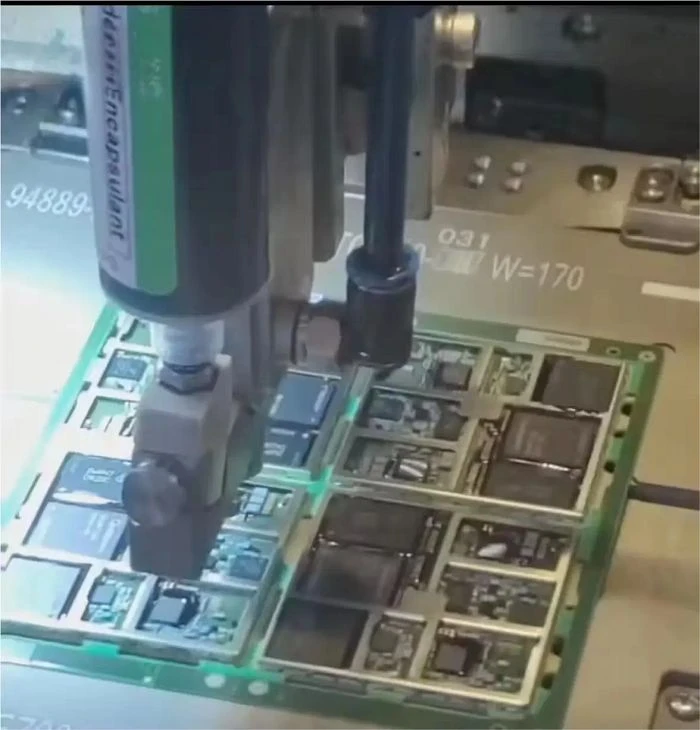
In the electronics industry, hot melt adhesives are used for bonding electronic components and modules. In some manufacturing processes, electronic devices may be exposed to alkaline cleaning solutions or fluxes. Adhesives with good alkaline resistance can ensure the reliability of the bonded components in these environments. For more information on adhesives suitable for electronic applications, you can visit our Thermally Conductive Adhesive, Two-Component Epoxy Adhesive, and Module Glue pages.
Conclusion
In conclusion, the performance of hot melt adhesives in alkaline environments is influenced by several factors, including the chemical composition of the adhesive, temperature, exposure time, and the concentration of the alkaline substance. By understanding these factors and employing appropriate testing methods, it is possible to select the right hot melt adhesive and implement strategies to improve its performance in alkaline conditions.
As a hot melt adhesive supplier, I am committed to providing high-quality adhesives that can meet the specific requirements of different applications, including those in alkaline environments. If you are looking for a reliable hot melt adhesive for your project in an alkaline environment, I encourage you to contact us for a detailed discussion and to explore our range of products. We can work together to find the best adhesive solution for your needs and ensure the long-term success of your bonded assemblies.
References
- ASTM International. Standard Test Methods for Evaluating Adhesive Bonds.
- Industrial Adhesives Handbook, edited by Pizzi, A. and Mittal, K. L.
- Polymer Science and Engineering, by Billmeyer, F. W.