

Epoxy adhesive is a versatile and widely used bonding agent known for its strong adhesion, durability, and resistance to various environmental factors. As a supplier of epoxy adhesive, I understand the importance of proper storage to maintain its quality and performance. In this blog post, I will share some essential guidelines on how epoxy adhesive should be stored to ensure its longevity and effectiveness.
Understanding Epoxy Adhesive
Before delving into storage methods, it's crucial to understand the basic composition of epoxy adhesive. Epoxy adhesives typically consist of two components: a resin and a hardener. When these two components are mixed together, a chemical reaction occurs, resulting in a strong bond. This reaction is sensitive to various factors, including temperature, humidity, and exposure to air, which is why proper storage is essential.
Ideal Storage Conditions
Temperature
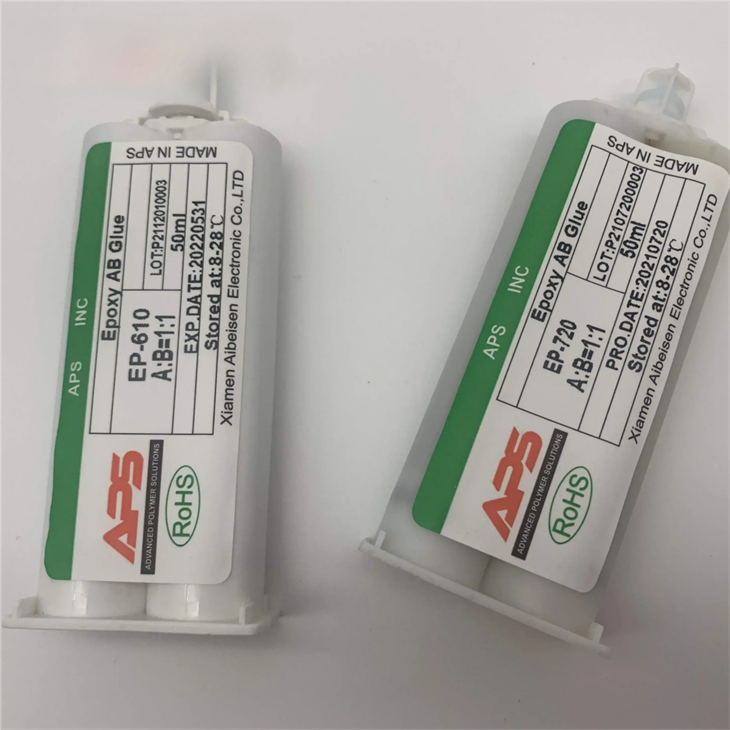
Temperature is one of the most critical factors affecting the shelf life of epoxy adhesive. Most epoxy adhesives should be stored at a moderate temperature, typically between 5°C and 30°C (41°F and 86°F). Storing epoxy adhesive at temperatures outside this range can lead to several issues.
If the temperature is too low, the epoxy may become too viscous, making it difficult to mix and apply. In extreme cases, the components may even freeze, which can irreversibly damage the adhesive. On the other hand, if the temperature is too high, the chemical reaction between the resin and the hardener may accelerate, causing the adhesive to cure prematurely or lose its bonding strength.
To maintain the ideal temperature, store epoxy adhesive in a cool, dry place away from direct sunlight and heat sources. Avoid storing it in areas prone to temperature fluctuations, such as near windows, heaters, or air conditioning units. If possible, use a temperature-controlled storage facility to ensure consistent conditions.
Humidity
Humidity can also have a significant impact on the quality of epoxy adhesive. High humidity levels can cause the adhesive to absorb moisture from the air, which can lead to premature curing, reduced bonding strength, and the formation of bubbles or voids in the cured adhesive.

To prevent moisture absorption, store epoxy adhesive in a sealed container. Make sure the container is airtight and has a tight-fitting lid. If the original packaging is damaged or does not provide adequate protection, transfer the adhesive to a suitable airtight container. Additionally, consider using desiccants, such as silica gel packets, to absorb any excess moisture in the storage container.
Exposure to Air
Exposure to air can cause the epoxy adhesive to oxidize and harden over time. To minimize air exposure, keep the containers tightly sealed when not in use. Avoid leaving the containers open for extended periods, as this can allow air to enter and react with the adhesive.
If you need to use only a portion of the adhesive, transfer the remaining amount to a smaller, airtight container to reduce the amount of air space inside. This will help slow down the oxidation process and extend the shelf life of the adhesive.
Storage of Different Types of Epoxy Adhesive
Best Epoxy Adhesive For Metal
Epoxy adhesives designed for metal bonding often have specific storage requirements. These adhesives may contain additives or fillers that can settle over time, especially if stored at high temperatures or for extended periods. To ensure the uniform distribution of these components, gently shake or stir the adhesive before use.
Additionally, some metal epoxy adhesives may be more sensitive to moisture than others. It's important to follow the manufacturer's instructions regarding storage conditions and use desiccants to prevent moisture absorption.
Module Glue
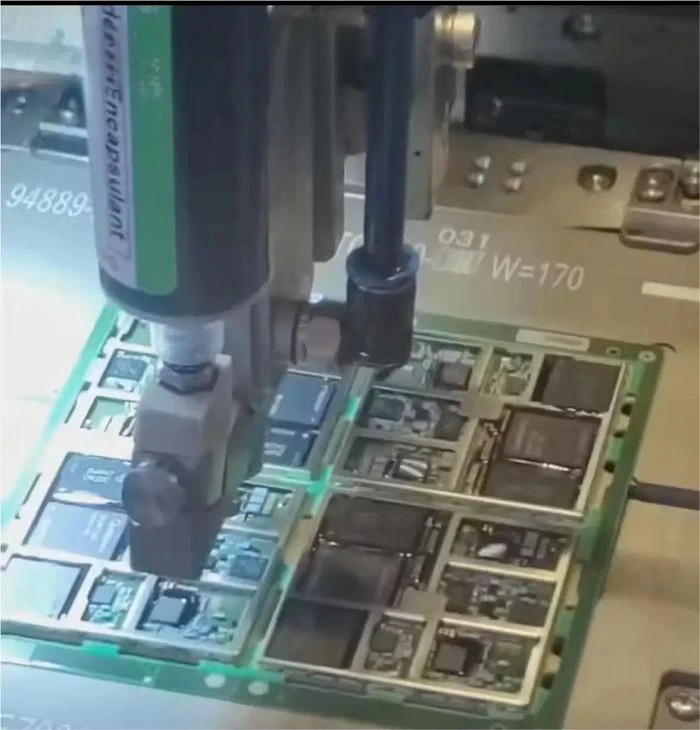
Module glue is commonly used in electronic and electrical applications. It is essential to store module glue in a clean and dust-free environment to prevent contamination. Any foreign particles or debris in the adhesive can affect its bonding performance and electrical properties.
Furthermore, module glue may be sensitive to electrostatic discharge (ESD). To prevent ESD damage, store the adhesive in an ESD-safe container or environment. This will help protect the adhesive from static electricity, which can cause premature curing or damage to the components.
Conductive Epoxy For Electronics
Conductive epoxy for electronics is designed to provide electrical conductivity in addition to bonding strength. To maintain its electrical properties, it is crucial to store conductive epoxy in a dry environment. Moisture can reduce the conductivity of the adhesive and affect its performance in electronic applications.
Similar to other types of epoxy adhesive, conductive epoxy should be stored at a moderate temperature and protected from direct sunlight and heat sources. It's also important to follow the manufacturer's instructions regarding the shelf life and storage conditions of the adhesive.
Handling and Storage Precautions
Labeling
Proper labeling is essential for storing epoxy adhesive safely. Make sure each container is clearly labeled with the product name, batch number, expiration date, and any specific storage instructions. This will help you keep track of the adhesive's shelf life and ensure that you use it before it expires.
First-In, First-Out (FIFO)
Implement a first-in, first-out inventory management system to ensure that the oldest adhesive is used first. This will help prevent the adhesive from exceeding its shelf life and ensure that you always have fresh and effective products available.
Safety Measures
Epoxy adhesive can be hazardous if not handled properly. When storing epoxy adhesive, make sure to follow all safety precautions recommended by the manufacturer. This may include wearing protective gloves, goggles, and clothing, and working in a well-ventilated area.
Keep epoxy adhesive out of reach of children and pets. In case of accidental exposure or ingestion, seek medical attention immediately.
Conclusion
Proper storage of epoxy adhesive is crucial to maintain its quality, performance, and shelf life. By following the guidelines outlined in this blog post, you can ensure that your epoxy adhesive remains in optimal condition and provides reliable bonding results.

If you are in the market for high-quality epoxy adhesive, I invite you to explore our wide range of products. We offer a variety of epoxy adhesives suitable for different applications, including metal bonding, module assembly, and electronic components. Our products are manufactured to the highest standards and undergo rigorous quality control to ensure their performance and reliability.
Contact us today to discuss your specific requirements and learn more about how our epoxy adhesives can meet your needs. We look forward to the opportunity to work with you and provide you with the best adhesive solutions for your projects.
References
- Manufacturer's instructions for epoxy adhesive products
- Industry standards and guidelines for adhesive storage
- Research articles on the effects of temperature, humidity, and air exposure on epoxy adhesive performance