

Silicone adhesive is a remarkable product that has found its way into numerous industries and applications, thanks to its unique properties and strong bonding capabilities. As a leading silicone adhesive supplier, I've witnessed firsthand the diverse ways in which this adhesive can be used and the strength it brings to various projects. In this blog, we'll delve into the strength of silicone adhesive, exploring its characteristics, performance in different scenarios, and why it's a top choice for many.
Understanding Silicone Adhesive
Silicone adhesive is a type of elastomeric adhesive that is based on silicone polymers. These polymers give the adhesive its flexibility, high - temperature resistance, and excellent adhesion to a wide range of materials. It can bond to metals, glass, ceramics, plastics, and even some rubbers. The chemical structure of silicone polymers provides a stable backbone that contributes to the adhesive's overall strength and durability.
One of the key advantages of silicone adhesive is its ability to maintain its properties over a wide temperature range. It can withstand extreme cold and heat, from well below freezing to temperatures as high as several hundred degrees Celsius. This makes it suitable for applications in both harsh outdoor environments and high - temperature industrial settings.
Tensile and Shear Strength
When we talk about the strength of an adhesive, two important measures are tensile strength and shear strength. Tensile strength refers to the maximum amount of stretching force an adhesive can withstand before it breaks. Silicone adhesives generally have good tensile strength, which allows them to hold materials together even when they are being pulled apart.
Shear strength, on the other hand, is the ability of the adhesive to resist forces that act parallel to the bonding surface. Silicone adhesives exhibit impressive shear strength, making them ideal for applications where lateral forces are present. For example, in automotive assembly, silicone adhesive can be used to bond parts that are subject to vibrations and lateral stresses, ensuring a secure and long - lasting connection.
Adhesion to Different Materials
The strength of silicone adhesive also depends on the material it is bonding. On smooth, non - porous surfaces like glass and metal, silicone adhesive forms a strong bond due to its ability to wet the surface effectively. The adhesive spreads evenly across the surface, creating a large contact area and maximizing the bonding force.
When bonding to porous materials such as wood or some plastics, the silicone adhesive can penetrate the pores, providing a mechanical interlock in addition to the chemical bond. This combination of mechanical and chemical bonding results in a strong and reliable connection.
However, it's important to note that the surface preparation of the materials is crucial for achieving optimal adhesion. Surfaces should be clean, dry, and free of any contaminants such as oil, grease, or dust. Proper surface treatment can significantly enhance the bonding strength of silicone adhesive.
Environmental Resistance
Silicone adhesive is highly resistant to environmental factors such as moisture, UV radiation, and chemicals. Moisture can be a major enemy of many adhesives, causing them to weaken or fail over time. But silicone adhesive has excellent water - resistance properties, making it suitable for outdoor applications and areas with high humidity.
UV radiation can also degrade the performance of adhesives, but silicone adhesive can withstand long - term exposure to sunlight without significant loss of strength or integrity. This makes it a popular choice for outdoor signage, window seals, and other applications where the adhesive is exposed to the elements.
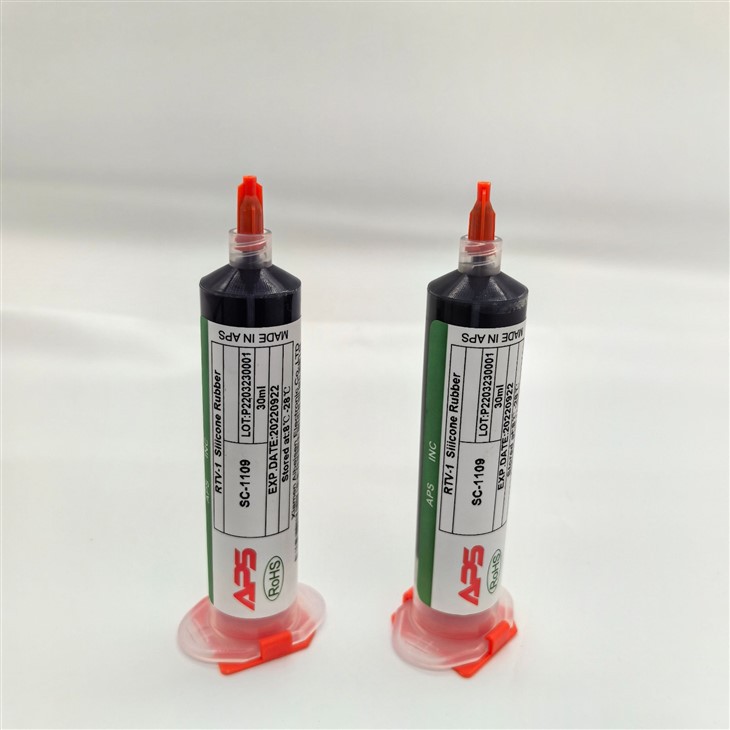

In addition, silicone adhesive is resistant to many chemicals, including solvents, acids, and bases. This chemical resistance allows it to be used in industrial environments where it may come into contact with various chemicals.
Applications and Their Requirements
The strength of silicone adhesive makes it suitable for a wide range of applications. In the construction industry, it is used for sealing joints in buildings, such as window frames and curtain walls. The adhesive needs to have sufficient strength to withstand the movement of the building due to temperature changes and wind loads. Black Adhesive Sealant Silicone Rtv is a great option for these types of applications, providing a strong and flexible seal.
In the electronics industry, Potting Silicone is used to protect electronic components from moisture, dust, and mechanical stress. The adhesive must be able to bond well to the components and provide a stable environment for their operation. Its high strength and environmental resistance ensure the long - term reliability of the electronics.
The automotive industry also relies heavily on silicone adhesive. rtv silicone rubber adhesive sealant is used for bonding engine components, gaskets, and body panels. The adhesive needs to withstand high temperatures, vibrations, and mechanical stresses, making its strength and durability crucial for the performance and safety of the vehicle.
Comparing with Other Adhesives
When compared to other types of adhesives, such as epoxy and acrylic adhesives, silicone adhesive has its own unique strengths. Epoxy adhesives are known for their high strength and stiffness, but they can be brittle and may not be suitable for applications where flexibility is required. Acrylic adhesives offer fast - curing times and good adhesion, but they may not have the same level of temperature and chemical resistance as silicone adhesives.
Silicone adhesive strikes a balance between strength, flexibility, and environmental resistance, making it a versatile choice for many applications. Its ability to maintain its properties over a wide range of conditions gives it an edge in situations where other adhesives may fail.
Conclusion
In conclusion, silicone adhesive is a strong and reliable bonding solution. Its high tensile and shear strength, excellent adhesion to various materials, and resistance to environmental factors make it suitable for a wide range of applications in different industries. Whether you're working on a construction project, an electronics assembly, or an automotive repair, silicone adhesive can provide the strength and durability you need.
If you're in the market for high - quality silicone adhesive, we are here to help. As a trusted silicone adhesive supplier, we offer a wide range of products to meet your specific requirements. Our team of experts can provide you with technical support and guidance to ensure you choose the right adhesive for your project. Contact us today to start a procurement discussion and discover how our silicone adhesives can enhance the performance of your applications.
References
- "Handbook of Adhesives and Sealants" by CRC Press
- "Adhesion Science and Engineering: Surfaces, Chemistry, and Applications" edited by K. L. Mittal