

Hey there! As an epoxy adhesive supplier, I often get asked about how to safely dispose of unused epoxy adhesive. It's a crucial topic, and today, I'm gonna share some practical tips and guidelines to help you handle this situation safely and responsibly.
First off, let's understand what epoxy adhesive is. Epoxy is a two - part adhesive made up of a resin and a hardener. When these two components are mixed, a chemical reaction occurs, causing the adhesive to harden. Unused epoxy can be a bit of a headache if not disposed of properly, mainly because it can become a hazardous waste once it's cured or even in its uncured state.
Understanding the Risks
Uncured epoxy adhesive can be quite toxic. It may contain chemicals that can cause skin irritation, respiratory problems if inhaled, and even eye damage. Once cured, it becomes a solid, but it still might pose environmental risks if not disposed of correctly. For example, if it ends up in landfills, some of the chemicals in the epoxy could potentially leach into the soil and contaminate groundwater.
Steps for Safe Disposal
1. Check the Manufacturer's Instructions
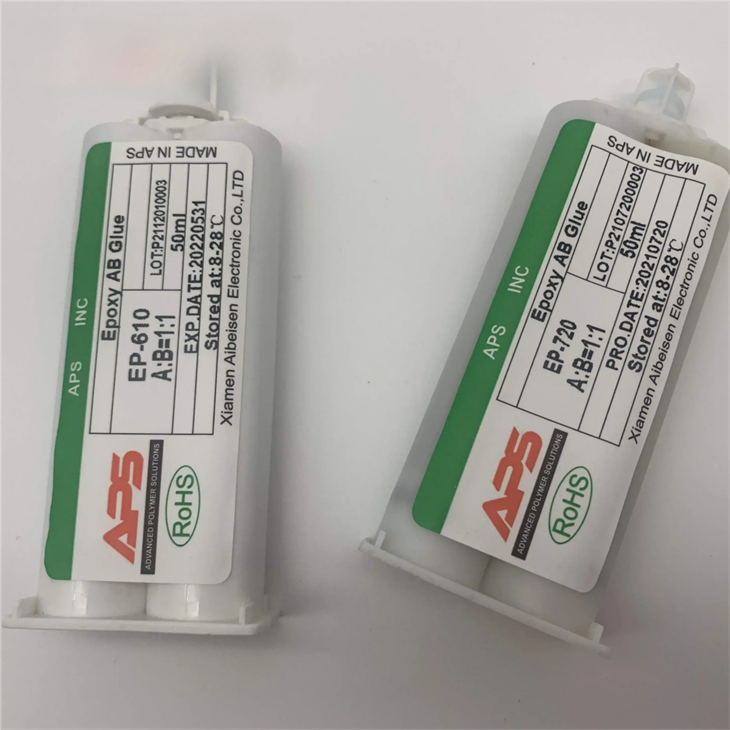
The first thing you should do is look at the product label or the manufacturer's guidelines. We, as a supplier, always provide detailed information on how to handle and dispose of our products. Sometimes, the instructions might be specific to the type of epoxy, like Best Epoxy Adhesive For Metal, which could have different components compared to other types.
2. Separate Unmixed Components
If you have unused epoxy where the resin and hardener haven't been mixed yet, it's relatively easier to deal with. Keep them in their original containers with the lids tightly closed. This prevents any accidental spills or evaporation of potentially harmful fumes. You can then contact your local hazardous waste disposal facility to find out the proper way to get rid of them.
3. Cure the Mixed Epoxy
If you've already mixed the resin and hardener but have some left over, the best approach is to let it cure. You can do this by pouring the mixed epoxy into a disposable container, like a small cardboard box or a plastic cup. Make sure to label it clearly as "Curing Epoxy" to avoid any confusion. Let it sit for the recommended curing time, which is usually mentioned on the product label.
Once it's fully cured, it becomes a solid mass. In this state, it's less hazardous compared to the uncured form. However, you still can't just throw it in the regular trash. You'll need to check with your local waste management regulations. Some areas allow cured epoxy to be disposed of as regular solid waste, while others might require it to go to a special recycling or disposal center.
4. Recycling Options
Believe it or not, there are some recycling options for epoxy adhesive. Some companies specialize in recycling cured epoxy. They can break it down and reuse the materials in other products. To find these recycling facilities, you can search online or contact your local environmental protection agency. They can provide you with a list of approved recyclers in your area. For instance, Module Glue might have specific recycling requirements due to its application in modules.
5. Professional Disposal Services
If you're dealing with a large amount of unused epoxy, especially in an industrial setting, it might be a good idea to hire a professional hazardous waste disposal service. These companies have the expertise and equipment to handle and dispose of the epoxy safely. They'll ensure that all the legal requirements are met and that the epoxy doesn't end up causing any environmental harm.
Special Considerations for Different Types of Epoxy
Conductive Epoxy For Electronics
Conductive Epoxy For Electronics contains special components that make it conductive. This type of epoxy might have additional disposal requirements because of the presence of conductive materials like silver or carbon. When disposing of unused conductive epoxy, it's even more important to follow the manufacturer's instructions. The conductive materials could be harmful if released into the environment, so proper handling is crucial.
Preventing Unused Epoxy in the First Place
Of course, the best way to deal with unused epoxy is to prevent having it in the first place. Here are some tips:
- Accurate Mixing: Before you start a project, calculate the amount of epoxy you'll need as accurately as possible. This way, you won't end up with a large amount of leftover adhesive.
- Test in Small Quantities: If you're trying out a new epoxy or a new application, start with a small test batch. This allows you to see how the epoxy works without wasting a large amount of product.
Conclusion
Disposing of unused epoxy adhesive safely is not only important for your health but also for the environment. By following the steps I've outlined above, you can ensure that you're handling this potentially hazardous material in the right way. Remember to always check the manufacturer's instructions, separate unmixed components, cure the mixed epoxy, explore recycling options, and consider professional disposal services if needed.
If you're in the market for high - quality epoxy adhesive for your projects, whether it's Best Epoxy Adhesive For Metal, Module Glue, or Conductive Epoxy For Electronics, we're here to help. Feel free to reach out to us to discuss your requirements and start a procurement negotiation. We're committed to providing you with the best products and services.

References
- General knowledge about epoxy adhesive properties and disposal methods.
- Product labels and guidelines provided by our company as an epoxy adhesive supplier.