

Hey there! If you're in the market for silicone adhesive like me (yep, I'm a silicone adhesive supplier), you probably wanna know how to make it more durable. It's a key thing because durable silicone adhesive is what keeps projects strong and long - lasting. So, let's dive into it!
Understanding Silicone Adhesive Basics
First off, we gotta understand what silicone adhesive is. Silicone adhesives are great because they can stand up to high temperatures, resist moisture, and even have good electrical insulation properties. This makes them super useful in lots of industries, from construction to electronics.
So, when I'm talking to customers, I tell them that to make the adhesive last longer, it's all about the prep work. You can't just slap it on and expect it to last forever.
Surface Preparation
One of the biggest factors affecting the durability of silicone adhesive is the surface it's applied to. If the surface isn't clean, the adhesive won't bond properly. I always recommend cleaning the surface thoroughly. For metal surfaces, you can use a degreaser to get rid of any oil or grease. For plastic or glass, a simple wipe - down with isopropyl alcohol usually does the trick.
Roughing up the surface a bit can also help. You don't have to turn it into a sandpaper jungle, but giving it a light sanding can increase the surface area for the adhesive to grab onto. This mechanical bond just adds to the overall strength of the joint.
Right Application Temperature
Silicone adhesives are kinda like Goldilocks - they like things just right. The application temperature matters a lot. Most silicone adhesives work best at around 20 - 25 degrees Celsius (68 - 77 degrees Fahrenheit). If it's too cold, the adhesive might not cure properly. If it's too hot, it could cure too quickly, leaving weak spots.
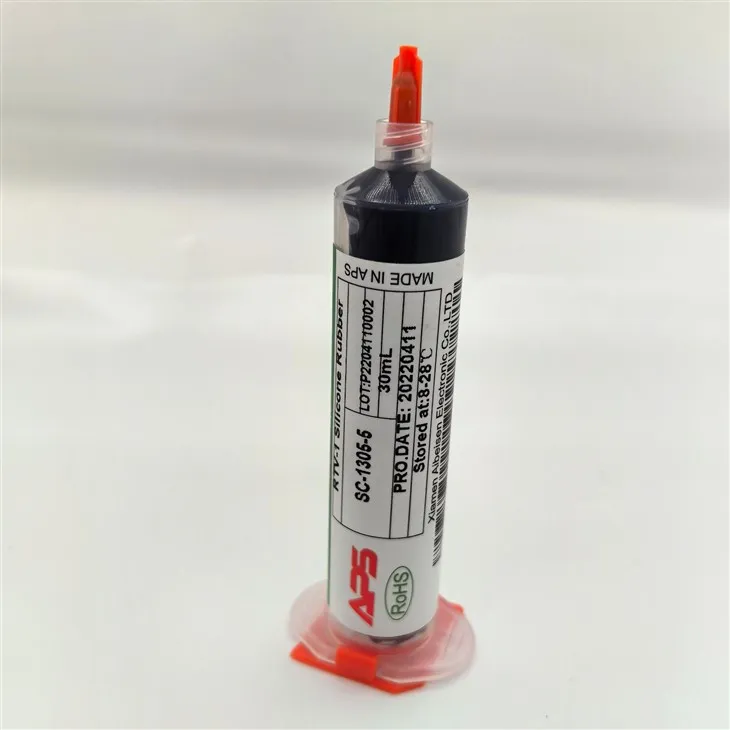
I had a customer once who was trying to use our Black Rtv Silicone Adhesive Sealant in a really hot warehouse. The sealant dried too fast on the edges, and when they tried to spread it further, it didn't bond well in the middle. So, always check the recommended temperature range on the product label.
Proper Curing Time
Letting the silicone adhesive cure properly is non - negotiable. Curing is the process where the adhesive hardens and forms a strong bond. The curing time depends on a few things, like humidity, temperature, and the thickness of the adhesive layer.
In high - humidity areas, the curing process might speed up a bit. But in dry conditions, it could take longer. I usually tell customers to be patient and wait at least 24 hours before putting any stress on the bonded joint. And if they're applying a thick layer of adhesive, it could take even longer.
Compatibility with Substrates
Not all silicone adhesives are created equal when it comes to bonding different materials. You gotta make sure the adhesive you're using is compatible with the substrates. For example, some adhesives work better on porous materials like wood, while others are designed for non - porous materials like ceramic.
Our Thermal Conductive Adhesive Tape is specifically formulated for applications where heat transfer is important, like in electronics. Using the right adhesive for the right job will ensure a strong and durable bond.
Reinforcement Techniques
If you need extra durability, there are some reinforcement techniques you can try. One way is to use mechanical fasteners along with the silicone adhesive. For instance, in a construction project where you're bonding two metal sheets, you can use bolts or screws in addition to the adhesive. This way, if the adhesive ever fails a little bit, the mechanical fasteners will still hold things together.
Another method is to add a reinforcing fabric. You can embed a lightweight fabric like fiberglass mesh into the silicone adhesive while it's still wet. This gives the adhesive more strength and helps it resist cracking.
Storage and Handling
Proper storage of silicone adhesive is crucial for its future durability. Keep the adhesive in a cool, dry place. High temperatures and humidity can cause the adhesive to start curing prematurely in the container.
Also, make sure to seal the container tightly after each use. Exposure to air can cause the adhesive to dry out, and you'll end up with a useless lump in the tube.
Maintenance and Protection
Once the silicone adhesive is applied and cured, you can take steps to protect it. In outdoor applications, UV rays can break down the adhesive over time. You can use a UV - resistant coating over the adhesive to extend its lifespan.
Regular inspections are also important. Check for any signs of cracking, peeling, or discoloration. If you catch any issues early, you can fix them before they turn into big problems.

Case Studies
I've seen firsthand how these tips work in real - world scenarios. One of our customers was using our Potting Silicone to protect electronic components. They followed all the proper steps for surface preparation, application, and curing. The result? Their components were well - protected, and the potting silicone lasted for years without any issues.
On the other hand, another customer didn't clean the surface properly before applying the adhesive. The bond was weak, and within a few months, the adhesive started to peel off. It just goes to show how important these steps are.
Conclusion
Making silicone adhesive more durable isn't rocket science, but it does require attention to detail. From proper surface preparation and application to maintenance and protection, every step plays a role.
If you're looking for high - quality silicone adhesives, we've got a wide range of products to meet your needs, like the ones I've mentioned in this post. Whether it's the Black Rtv Silicone Adhesive Sealant, Thermal Conductive Adhesive Tape, or Potting Silicone, we've got you covered.
If you're interested in learning more or making a purchase, don't hesitate to reach out. We're here to help you get the most durable and reliable silicone adhesive solutions for your projects. Just contact us for a chat about your specific requirements.
References
- Dow Corning Silicone Adhesive Technical Manual
- 3M Silicone Product Guide
- Industry - wide research on Silicone Adhesive Durability