

Hey there! As a supplier of UV Sealant, I often get asked if our UV Sealant is heat-resistant. It's a super important question, especially when you're using the sealant in various industrial or DIY projects where high temperatures might be involved. So, let's dig into this topic and find out what's what.

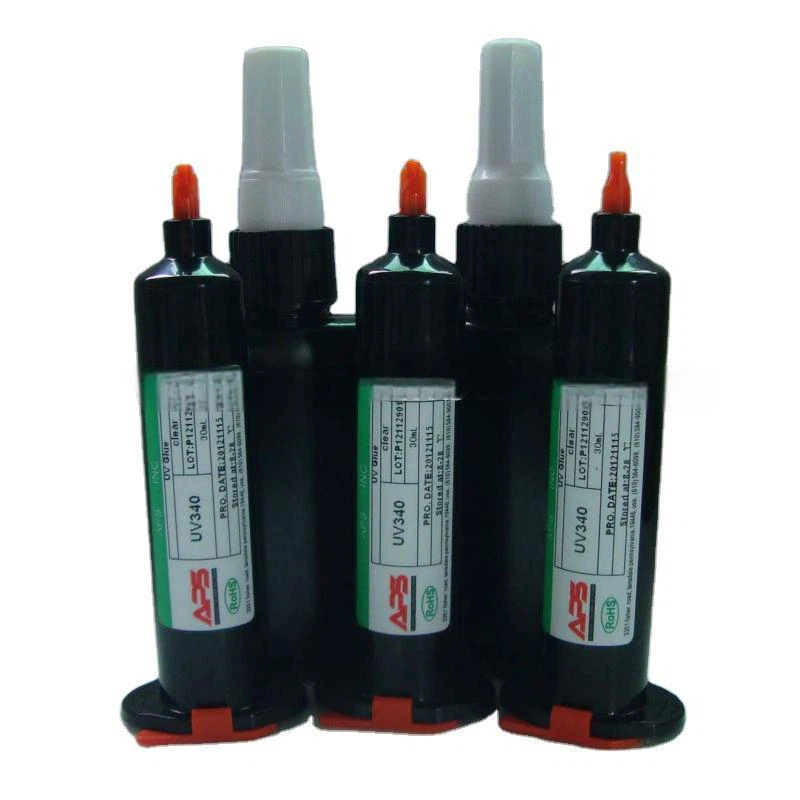
First off, let's understand what UV sealant is. UV sealant, also known as UV Curing Adhesive, is a type of adhesive that cures when exposed to ultraviolet light. It's pretty amazing because it can bond different materials quickly and strongly. We also have One Component UV Curing Resin, which is a part of our UV sealant product line. These products are widely used in electronics, optics, automotive, and many other industries.
Now, back to the big question: is UV sealant heat-resistant? Well, the answer isn't a simple yes or no. It depends on a few factors.
The Composition of UV Sealant
The heat resistance of UV sealant largely depends on its chemical composition. Different formulations are designed for different applications, and some are more heat-resistant than others. For example, sealants with special additives or polymers can withstand higher temperatures. Our R & D team has been working hard to develop UV sealants that can handle extreme conditions. Some of our advanced formulations can resist temperatures up to a certain point without losing their bonding strength or integrity.
The Application and Environment
Another factor that affects heat resistance is how the UV sealant is applied and the environment it's in. If the sealant is used in a well-ventilated area, it might be able to dissipate heat better and perform better under high temperatures. On the other hand, if it's in a confined space where heat can build up, it could face more challenges. Also, the duration of exposure to heat matters. A short burst of high temperature might not have as much of an impact as continuous exposure over a long period.
Testing and Certification
At our company, we take heat resistance seriously. We conduct a series of tests on our UV sealants to ensure they meet certain standards. These tests involve exposing the sealant to different temperatures and measuring its performance. We also get our products certified by independent testing agencies, which gives our customers peace of mind.
Real - World Examples
Let's look at some real - world examples to see how UV sealant performs under heat. In the automotive industry, UV sealants are used to bond various components. These components can get pretty hot, especially near the engine. Our UV sealants have been tested in automotive applications and have shown good heat resistance. They can maintain their bond even when the engine is running at high temperatures for long periods.
In the electronics industry, heat is also a major concern. Electronic devices generate heat during operation, and the UV sealants used to assemble them need to be able to handle it. Our UV sealants have been used in many electronic products, from smartphones to laptops, and have proven to be reliable in heat - prone environments.
Limitations
However, it's important to note that UV sealant does have its limitations when it comes to heat resistance. No sealant can withstand infinite heat. If the temperature gets too high, the sealant might start to break down. The bonding strength could decrease, and it might lose its ability to seal properly. So, it's crucial to choose the right UV sealant for your specific application and to follow the recommended temperature limits.
Tips for Using UV Sealant in High - Temperature Environments
If you're planning to use UV sealant in a high - temperature environment, here are some tips:
- Choose the Right Product: Make sure to select a UV sealant that is specifically designed for high - temperature applications. Our sales team can help you pick the best one for your needs.
- Proper Application: Follow the application instructions carefully. Make sure the surface is clean and dry before applying the sealant. Also, ensure that the UV curing process is done correctly.
- Monitor the Temperature: Keep an eye on the temperature in the application area. If the temperature exceeds the recommended limit, take appropriate measures to cool down the area or find an alternative solution.
Conclusion
So, to sum it up, UV sealant can be heat - resistant, but it depends on its composition, application, and environment. At our company, we offer a range of UV sealants with different heat - resistant properties to meet the diverse needs of our customers. Whether you're in the automotive, electronics, or any other industry, we have a solution for you.
If you're interested in our UV sealants and want to learn more about their heat - resistant capabilities, or if you have any other questions, don't hesitate to get in touch with us. We're always happy to help you find the right product for your project. Let's start a conversation and see how we can work together to solve your sealing needs.
References
- Textbooks on adhesive chemistry
- Industry reports on UV curing adhesives
- Internal research and development data from our company