

In the realm of electronic device cooling, thermal management is a critical aspect that directly impacts the performance, reliability, and lifespan of various components. One of the key materials that have emerged as a popular solution for effective heat transfer is the thermal silicone pad. As a leading supplier of thermal silicone pads, I've witnessed firsthand the numerous advantages these pads offer in a wide range of applications. In this blog post, I'll delve into the benefits of using thermal silicone pads and explain why they are an excellent choice for your thermal management needs.
Excellent Thermal Conductivity
One of the primary advantages of thermal silicone pads is their high thermal conductivity. These pads are engineered to efficiently transfer heat from a heat source, such as a CPU or GPU, to a heat sink or other cooling device. The silicone material used in these pads contains thermally conductive fillers, such as aluminum oxide or boron nitride, which enhance the pad's ability to conduct heat. This allows for rapid heat dissipation, preventing the buildup of excessive heat that can lead to component failure or reduced performance.
For example, in high-performance computing applications, where CPUs and GPUs generate a significant amount of heat, thermal silicone pads can help maintain optimal operating temperatures. By providing a low-resistance path for heat transfer, these pads ensure that the heat is quickly transferred away from the components, allowing them to operate at peak efficiency. This not only improves the overall performance of the system but also extends the lifespan of the components by reducing the stress caused by high temperatures.
Soft and Compressible
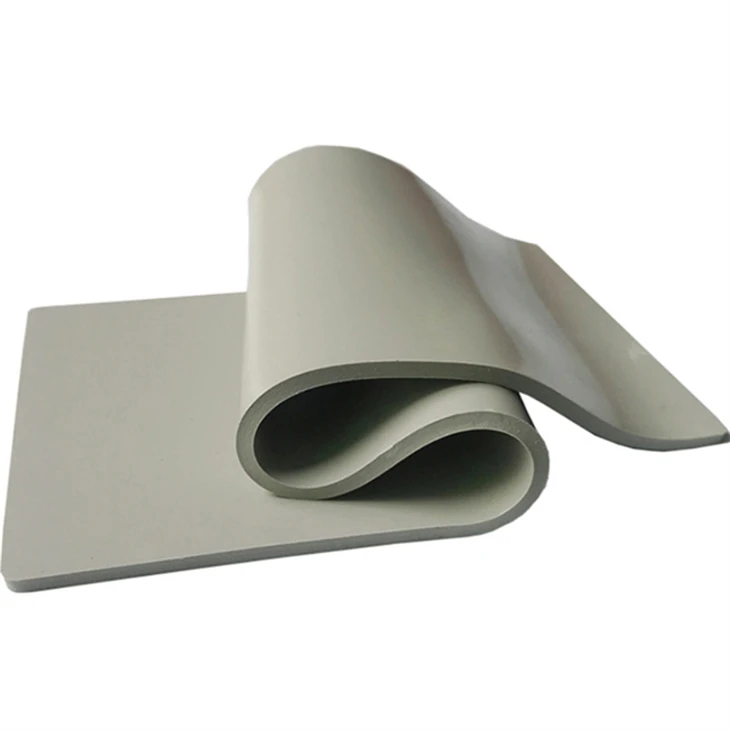
Another significant advantage of thermal silicone pads is their soft and compressible nature. These pads are designed to conform to the irregular surfaces of electronic components, ensuring a tight and uniform contact between the heat source and the heat sink. This is crucial for effective heat transfer, as any gaps or air pockets between the two surfaces can act as insulators, reducing the efficiency of the heat transfer process.
The softness and compressibility of thermal silicone pads also make them ideal for applications where there are vibrations or movements. In such cases, the pads can absorb the vibrations and prevent them from causing damage to the components. Additionally, the pads can compensate for any slight misalignments or variations in the surface flatness of the components, ensuring a reliable and consistent thermal interface.
Electrical Insulation
Thermal silicone pads offer excellent electrical insulation properties, making them suitable for use in electronic devices where electrical isolation is required. The silicone material used in these pads is a good insulator, which helps prevent electrical shorts and interference between the components. This is particularly important in applications where the components are in close proximity to each other or where there is a risk of electrical leakage.
For example, in power electronics applications, such as inverters and converters, thermal silicone pads can be used to provide both thermal and electrical insulation between the power devices and the heat sink. This ensures that the electrical signals are not affected by the heat transfer process and that the components operate safely and reliably.
Chemical Resistance
Thermal silicone pads are resistant to a wide range of chemicals, including oils, solvents, and moisture. This makes them suitable for use in harsh environments where the components may be exposed to these substances. The chemical resistance of the pads helps protect the components from corrosion and damage, ensuring their long-term reliability.
In addition, the silicone material used in these pads is also resistant to aging and degradation, which means that the pads can maintain their performance over an extended period of time. This makes them a cost-effective solution for thermal management, as they do not need to be replaced frequently.
Easy to Use
Thermal silicone pads are very easy to use, which makes them a popular choice for both professional and DIY applications. These pads come in a variety of sizes and thicknesses, making it easy to find the right pad for your specific application. They can be easily cut to size using a pair of scissors or a utility knife, allowing you to customize the pad to fit your components.
Installing a thermal silicone pad is also a straightforward process. Simply clean the surfaces of the heat source and the heat sink to remove any dirt or debris, then place the pad between the two surfaces and apply gentle pressure to ensure a good contact. The pad will conform to the surfaces and provide a reliable thermal interface.
Cost-Effective
Compared to other thermal management solutions, such as thermal greases or phase-change materials, thermal silicone pads are relatively inexpensive. They offer a cost-effective way to improve the thermal performance of your electronic devices without breaking the bank. Additionally, the long lifespan and low maintenance requirements of thermal silicone pads make them a cost-effective choice in the long run.
Wide Range of Applications
Thermal silicone pads have a wide range of applications in various industries, including electronics, automotive, aerospace, and telecommunications. Some of the common applications of these pads include:

- CPU and GPU Cooling: Thermal silicone pads are commonly used to transfer heat from CPUs and GPUs to heat sinks in computers and other electronic devices.
- Power Electronics: These pads are used in power electronics applications, such as inverters, converters, and power supplies, to provide thermal management for the power devices.
- LED Lighting: Thermal silicone pads are used in LED lighting applications to transfer heat from the LEDs to the heat sink, ensuring optimal performance and longevity of the lights.
- Automotive Electronics: In the automotive industry, thermal silicone pads are used to cool electronic components, such as engine control units, power modules, and sensors.
- Aerospace and Defense: These pads are used in aerospace and defense applications to provide thermal management for electronic components in harsh environments.
Conclusion
In conclusion, thermal silicone pads offer a number of advantages that make them an excellent choice for thermal management in electronic devices. Their high thermal conductivity, soft and compressible nature, electrical insulation properties, chemical resistance, ease of use, cost-effectiveness, and wide range of applications make them a versatile and reliable solution for a variety of thermal management challenges.
If you're looking for a high-quality thermal silicone pad for your application, I invite you to explore our product range at Buy Thermal Pad. We offer a wide selection of thermal silicone pads with different thermal conductivities, thicknesses, and sizes to meet your specific needs. Our pads are made from high-quality materials and are manufactured to the highest standards, ensuring reliable performance and long-term durability.
If you have any questions or need assistance in selecting the right thermal silicone pad for your application, please don't hesitate to contact us. Our team of experts is always ready to help you find the best solution for your thermal management needs. We look forward to working with you and helping you achieve optimal performance and reliability in your electronic devices.
References
- "Thermal Management Handbook for Electronic Systems" by Avram Bar-Cohen and Donald P. Lyon
- "Thermal Interface Materials: Fundamentals, Properties, and Applications" by Yucheng Wu and Jinrong Wu
- "Silicone Rubber: Chemistry and Technology" by A. L. Blythe and D. A. Tomalia