

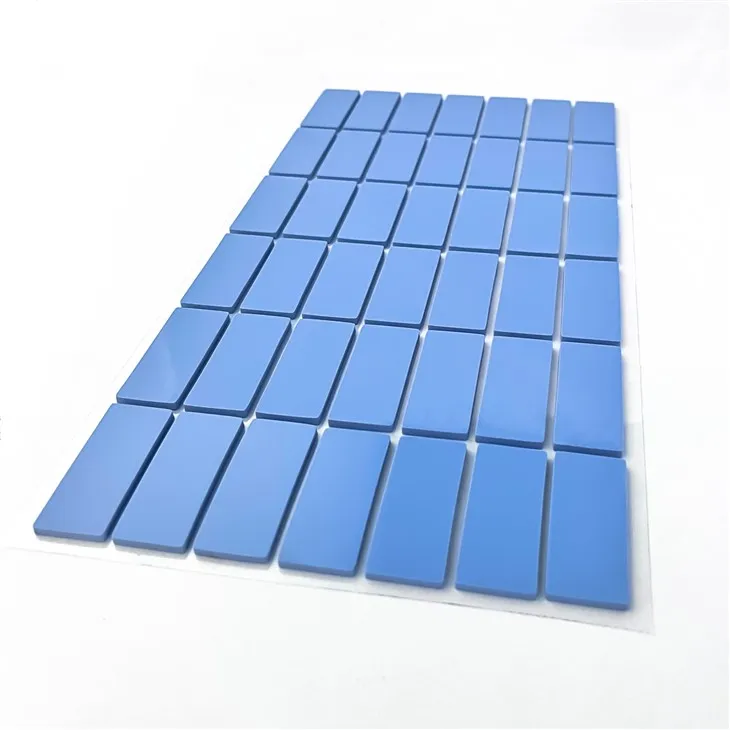
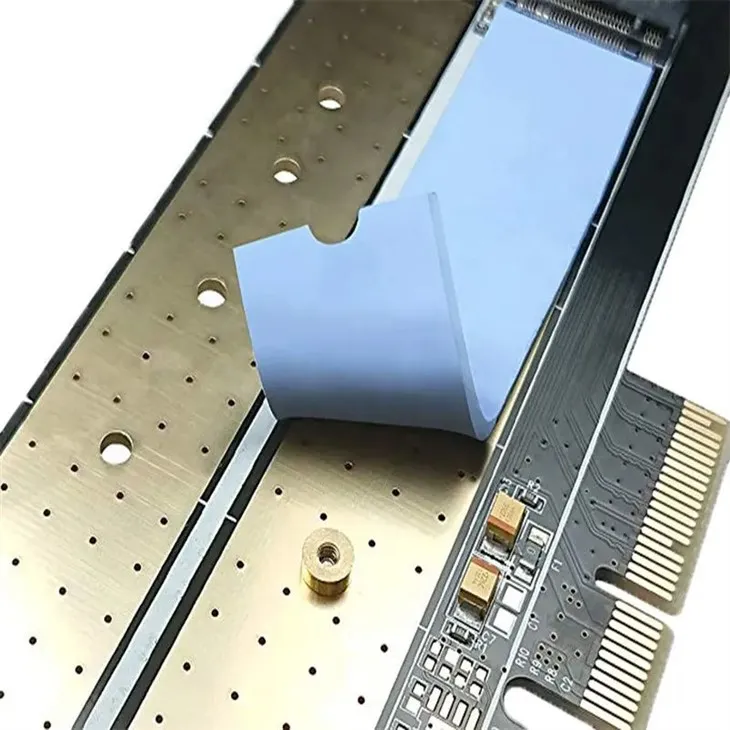
As a supplier of Thermal Gap Filler, I am often asked about the common application methods for this essential thermal management material. Thermal Gap Fillers are designed to fill the gaps between heat-generating components and heat sinks, providing an efficient path for heat transfer and improving the overall thermal performance of electronic devices. In this blog post, I will discuss the most common application methods for Thermal Gap Filler, along with their advantages and disadvantages.
Manual Application
Manual application is one of the most straightforward methods for applying Thermal Gap Filler. This method involves using a spatula, syringe, or other hand tools to apply the filler directly to the surface of the heat-generating component or heat sink. Manual application is suitable for small-scale production or prototyping, where precision is not critical.
Advantages
- Low cost: Manual application requires minimal equipment, making it a cost-effective option for small-scale production.
- Flexibility: Manual application allows for easy adjustment of the filler thickness and coverage, making it suitable for irregularly shaped components.
- Immediate feedback: The operator can visually inspect the application process and make adjustments as needed, ensuring proper coverage and thickness.
Disadvantages
- Low productivity: Manual application is a time-consuming process, especially for large-scale production.
- Inconsistent results: The quality of the application depends on the skill and experience of the operator, which can lead to inconsistent results.
- Risk of contamination: Manual application increases the risk of contamination from dust, dirt, or other particles, which can affect the thermal performance of the filler.
Screen Printing
Screen printing is a popular method for applying Thermal Gap Filler in high-volume production. This method involves using a screen printer to apply the filler onto the surface of the heat-generating component or heat sink. The screen printer uses a stencil to control the thickness and pattern of the filler, ensuring consistent results.
Advantages
- High productivity: Screen printing is a fast and efficient process, making it suitable for high-volume production.
- Consistent results: The use of a stencil ensures consistent thickness and pattern of the filler, resulting in uniform thermal performance.
- Precise control: Screen printing allows for precise control of the filler thickness and coverage, making it suitable for complex component geometries.
Disadvantages
- High setup cost: Screen printing requires specialized equipment and tooling, which can be expensive to set up.
- Limited flexibility: The use of a stencil limits the flexibility of the application process, making it difficult to adjust the filler thickness or pattern.
- Risk of clogging: Screen printing can be prone to clogging, especially if the filler has a high viscosity or contains large particles.
Dispensing
Dispensing is another common method for applying Thermal Gap Filler. This method involves using a dispensing machine to apply the filler onto the surface of the heat-generating component or heat sink. The dispensing machine uses a syringe or other dispensing head to control the flow rate and pattern of the filler, ensuring accurate and consistent application.
Advantages
- High precision: Dispensing allows for precise control of the filler flow rate and pattern, making it suitable for applications where accuracy is critical.
- Flexibility: Dispensing machines can be programmed to apply the filler in a variety of patterns and thicknesses, making it suitable for complex component geometries.
- Reduced waste: Dispensing machines can be calibrated to apply the exact amount of filler required, reducing waste and cost.
Disadvantages
- High cost: Dispensing machines can be expensive to purchase and maintain, making it a less cost-effective option for small-scale production.
- Limited productivity: Dispensing is a relatively slow process, especially for high-volume production.
- Risk of air bubbles: Dispensing can introduce air bubbles into the filler, which can affect the thermal performance of the material.
Automated Assembly
Automated assembly is a more advanced method for applying Thermal Gap Filler. This method involves using robotic arms or other automated equipment to apply the filler onto the surface of the heat-generating component or heat sink. Automated assembly is suitable for high-volume production, where precision and consistency are critical.
Advantages
- High productivity: Automated assembly is a fast and efficient process, making it suitable for high-volume production.
- Consistent results: The use of automated equipment ensures consistent thickness and pattern of the filler, resulting in uniform thermal performance.
- Precise control: Automated assembly allows for precise control of the filler thickness and coverage, making it suitable for complex component geometries.
Disadvantages
- High setup cost: Automated assembly requires specialized equipment and programming, which can be expensive to set up.
- Limited flexibility: The use of automated equipment limits the flexibility of the application process, making it difficult to adjust the filler thickness or pattern.
- Technical expertise required: Automated assembly requires technical expertise to operate and maintain the equipment, which can be a challenge for some manufacturers.
Conclusion
In conclusion, there are several common application methods for Thermal Gap Filler, each with its own advantages and disadvantages. The choice of application method depends on several factors, including the volume of production, the complexity of the component geometry, the required precision, and the cost. As a supplier of Thermal Gap Filler, I can provide you with the technical support and expertise you need to choose the most suitable application method for your specific requirements.
If you are interested in learning more about Thermal Gap Filler or would like to discuss your specific application needs, please feel free to contact me. I would be happy to provide you with more information and help you find the best solution for your thermal management needs.