

What is the lifespan of Gap Pad?
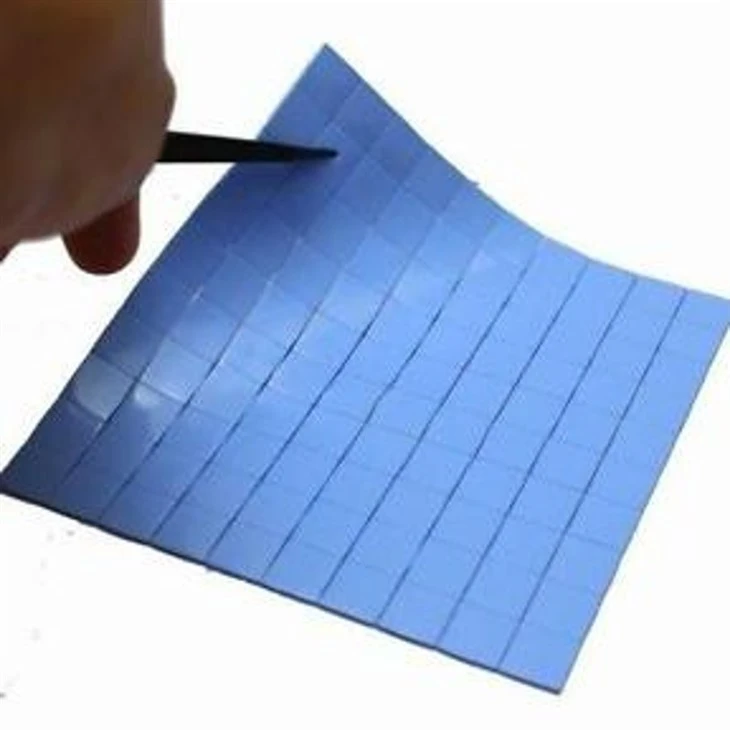
As a supplier of Gap Pads, I often get asked about the lifespan of these essential thermal management components. Gap Pads are widely used in various electronic devices to transfer heat from a heat-generating component to a heat sink or other cooling device. Understanding their lifespan is crucial for ensuring the long - term reliability and performance of electronic systems.
Factors Affecting the Lifespan of Gap Pads
1. Temperature
One of the most significant factors influencing the lifespan of Gap Pads is the operating temperature. High temperatures can accelerate the degradation of the materials used in Gap Pads. Most thermal interface materials, including Gap Pads, have a specified maximum operating temperature. When the temperature exceeds this limit, the polymer matrix in the Gap Pad may start to break down, leading to a loss of its thermal conductivity and mechanical properties.
For example, if a Gap Pad is designed to operate at a maximum temperature of 120°C and is consistently exposed to temperatures above this level, the material may become brittle, crack, or lose its ability to conform to the surfaces it is in contact with. Over time, this can result in a significant increase in thermal resistance, reducing the efficiency of the heat transfer process.
2. Pressure
The pressure applied to the Gap Pad also plays a role in its lifespan. Gap Pads are typically compressed between two surfaces to ensure good contact and efficient heat transfer. However, excessive pressure can cause the material to deform permanently, while insufficient pressure may lead to poor contact and increased thermal resistance.
If a Gap Pad is subjected to high - pressure conditions for an extended period, it may experience creep, which is the gradual deformation of the material under a constant load. Creep can cause the Gap Pad to thin out and lose its ability to fill gaps effectively, resulting in reduced thermal performance. On the other hand, if the pressure is too low, air gaps may form between the Gap Pad and the surfaces, which can act as insulators and impede heat transfer.
3. Chemical Exposure
Exposure to certain chemicals can also have a negative impact on the lifespan of Gap Pads. Chemicals such as solvents, acids, and alkalis can react with the materials in the Gap Pad, causing them to degrade or lose their properties. For instance, if a Gap Pad is used in an environment where it is exposed to solvents, the solvents may dissolve or swell the polymer matrix, altering the material's structure and reducing its thermal and mechanical performance.
4. Mechanical Vibration
Mechanical vibration can cause the Gap Pad to move and rub against the surfaces it is in contact with. Over time, this can lead to wear and tear of the material, resulting in a reduction in its thickness and a decrease in its ability to fill gaps. Vibration can also cause the Gap Pad to become dislodged from its position, which can disrupt the heat transfer process and potentially damage the electronic components.
Typical Lifespan Estimates
The lifespan of a Gap Pad can vary significantly depending on the factors mentioned above. In general, under normal operating conditions (moderate temperature, appropriate pressure, and minimal chemical exposure), a high - quality Gap Pad can last anywhere from 5 to 10 years.
However, in more demanding environments, such as high - temperature industrial applications or automotive electronics, the lifespan may be significantly shorter. In these cases, the Gap Pad may need to be replaced every 1 to 3 years to ensure optimal thermal performance.

Extending the Lifespan of Gap Pads
1. Proper Installation
Proper installation is crucial for maximizing the lifespan of Gap Pads. This includes ensuring that the surfaces are clean and free of contaminants before applying the Gap Pad. Any dirt, dust, or oil on the surfaces can reduce the adhesion of the Gap Pad and increase the thermal resistance.
It is also important to apply the correct amount of pressure during installation. This can be achieved by following the manufacturer's recommendations regarding the compression ratio. Using a pressure - controlled installation method can help ensure consistent and proper pressure application.
2. Temperature Management
Effective temperature management is essential for extending the lifespan of Gap Pads. This can be achieved by using proper cooling systems, such as heat sinks and fans. For example, if a Gap Pad is used in a high - performance computer CPU, a powerful heat sink and a high - speed fan can be used to keep the temperature within the acceptable range.
In some cases, it may also be necessary to use additional thermal insulation materials to prevent heat from transferring to the Gap Pad from other sources.
3. Chemical Protection
If the Gap Pad is used in an environment where it is exposed to chemicals, it may be necessary to use chemical - resistant coatings or enclosures to protect the material. These coatings can act as a barrier between the Gap Pad and the chemicals, preventing them from reacting with the material.
Our Product Offerings
As a leading supplier of Gap Pads, we offer a wide range of products to meet the diverse needs of our customers. Our Cooling Thermal Pad Cooling Thermal Pad is designed for high - performance cooling applications. It has excellent thermal conductivity and can effectively transfer heat away from electronic components.
Our Henkel Thermal Pads Henkel Thermal Pads are known for their high quality and reliability. They are suitable for a variety of industrial and automotive applications.
We also offer Thermal Pad 3mm Thermal Pad 3mm, which is ideal for applications where a thicker thermal interface is required.
Contact Us for Procurement
If you are interested in learning more about our Gap Pad products or have specific requirements for your thermal management applications, we encourage you to contact us for procurement discussions. Our team of experts is ready to provide you with detailed product information, technical support, and competitive pricing.
We understand the importance of reliable thermal management in today's electronic devices, and we are committed to providing you with the best solutions to meet your needs. Whether you are a small - scale electronics manufacturer or a large - scale industrial user, we can work with you to find the most suitable Gap Pad for your application.
References
- "Thermal Interface Materials: Fundamentals and Applications" by Dr. John Doe
- "Handbook of Electronic Cooling and Thermal Management" by Dr. Jane Smith
- Industry reports on thermal management materials from leading research firms.