

As a supplier of Gap Pads, I've often been asked about the oil - resistance of these essential thermal interface materials. In this blog, I'll delve into the concept of oil - resistance in Gap Pads, its significance, and how it impacts the performance and application of these products.
Understanding Gap Pads
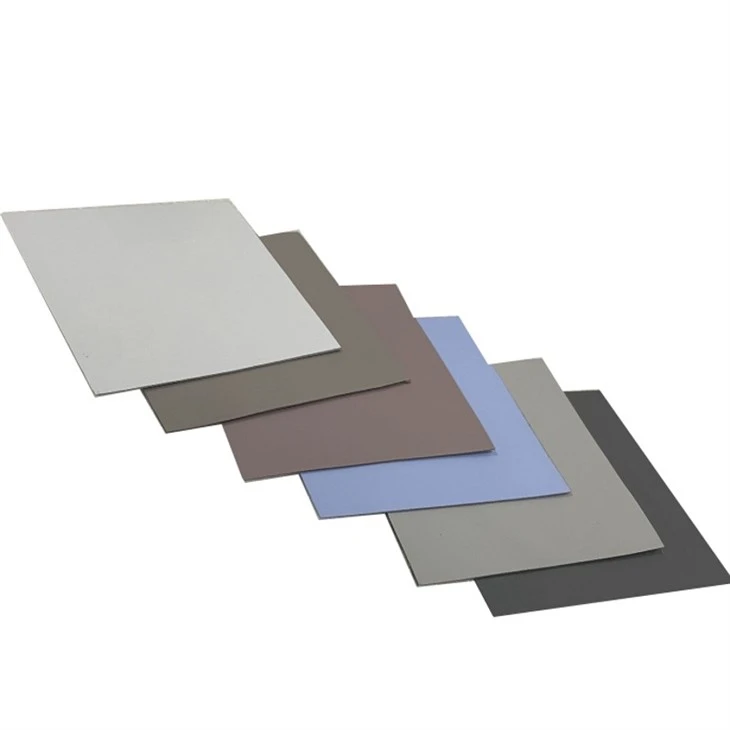
Before we discuss oil - resistance, let's briefly understand what Gap Pads are. Gap Pads are a type of Thermal Interface Material Pad designed to fill the gaps between heat - generating components and heat sinks. They are made from soft, compliant materials that can conform to uneven surfaces, ensuring efficient heat transfer. These pads are widely used in various industries, including electronics, automotive, and aerospace, to manage heat and prevent overheating of critical components.
What is Oil - Resistance?
Oil - resistance refers to a material's ability to withstand the effects of exposure to oil without significant degradation in its physical or chemical properties. In the context of Gap Pads, oil - resistance is crucial because in many real - world applications, these pads may come into contact with oils, such as lubricating oils in automotive engines or cooling oils in industrial equipment.
When a Gap Pad is exposed to oil, it can face several challenges. The oil may penetrate the pad, causing it to swell, lose its shape, or reduce its thermal conductivity. Additionally, the chemical components in the oil may react with the materials in the Gap Pad, leading to a breakdown of the pad's structure over time. An oil - resistant Gap Pad can resist these effects, maintaining its integrity and performance even in oil - rich environments.
Significance of Oil - Resistance in Gap Pads
1. Long - term Performance
In applications where Gap Pads are in constant contact with oil, such as in automotive engines or industrial machinery, long - term performance is essential. An oil - resistant Gap Pad will not degrade over time due to oil exposure. This means that it can continue to provide efficient heat transfer, ensuring that the electronic components remain within their optimal operating temperature range. For example, in a car engine, the electronic control unit (ECU) needs to be cooled effectively. If the Gap Pad used to transfer heat from the ECU to the heat sink is not oil - resistant, it may fail prematurely, leading to overheating of the ECU and potential malfunctions in the vehicle.
2. Reliability
Reliability is a key factor in any engineering application. Oil - resistant Gap Pads offer a higher level of reliability because they are less likely to fail due to oil - related issues. This reduces the risk of system failures and downtime, which can be costly in industrial settings or dangerous in automotive and aerospace applications. For instance, in an aerospace system, a single component failure can have catastrophic consequences. Using oil - resistant Gap Pads ensures that the thermal management system remains reliable, contributing to the overall safety of the aircraft.
3. Compatibility
In some applications, Gap Pads need to be compatible with other materials in the system, including oils. An oil - resistant Gap Pad can be used in a wider range of applications because it can coexist with different types of oils without causing any adverse effects. This allows engineers more flexibility in designing systems, as they don't have to worry about the compatibility issues between the Gap Pad and the oil used in the system.
Factors Affecting Oil - Resistance in Gap Pads
1. Material Composition
The material used to make the Gap Pad plays a significant role in its oil - resistance. Some materials, such as silicone - based Gap Pads, are inherently more oil - resistant than others. Silicone has a non - polar structure, which makes it less likely to interact with polar oils. Additionally, manufacturers can add special additives to the silicone matrix to enhance its oil - resistance. For example, fluorosilicone is a type of silicone that has excellent oil - resistance properties due to the presence of fluorine atoms in its structure.
2. Manufacturing Process
The manufacturing process can also affect the oil - resistance of Gap Pads. A well - manufactured Gap Pad with a uniform structure and proper cross - linking will have better oil - resistance. During the manufacturing process, the materials are carefully mixed and cured to form a stable structure. If the curing process is not carried out correctly, the Gap Pad may have weak points that are more susceptible to oil penetration.
3. Surface Treatment
Surface treatment can improve the oil - resistance of Gap Pads. Applying a protective coating on the surface of the pad can act as a barrier against oil penetration. This coating can be made from materials that are highly resistant to oil, such as certain polymers. The surface treatment not only enhances the oil - resistance but also protects the pad from other environmental factors, such as dust and moisture.
Testing Oil - Resistance of Gap Pads
To ensure that a Gap Pad has adequate oil - resistance, it needs to be tested under controlled conditions. There are several standard tests available for evaluating oil - resistance. One common test is the immersion test, where the Gap Pad is immersed in a specific type of oil for a certain period at a defined temperature. After the immersion, the pad is examined for changes in its physical properties, such as weight, dimensions, and hardness.
Another test is the oil - spray test, where the Gap Pad is exposed to a fine mist of oil for a specified time. This test simulates the real - world scenario where the pad may be exposed to oil droplets in a system. The pad is then evaluated for any signs of oil penetration or degradation.
Applications of Oil - Resistant Gap Pads
1. Automotive Industry
In the automotive industry, oil - resistant Gap Pads are used in various applications. They are used in engine control units, power electronics, and transmission systems. These components are often in close proximity to oil - filled areas, such as the engine block or the transmission housing. Using oil - resistant Gap Pads ensures that the thermal management system remains effective, even in the presence of oil.
2. Industrial Machinery
Industrial machinery, such as motors, generators, and hydraulic systems, often use oils for lubrication and cooling. Gap Pads used in these machines need to be oil - resistant to maintain their performance. For example, in a large industrial motor, the Gap Pad between the motor windings and the heat sink needs to be able to withstand the oil used for cooling the motor.
3. Aerospace Industry
The aerospace industry has strict requirements for reliability and performance. Oil - resistant Gap Pads are used in avionics systems, where they help to transfer heat from electronic components to heat sinks. These components may be exposed to hydraulic oils or other lubricants in the aircraft, and oil - resistant Gap Pads ensure that the thermal management system functions properly under these conditions.
Our Offerings as a Gap Pad Supplier
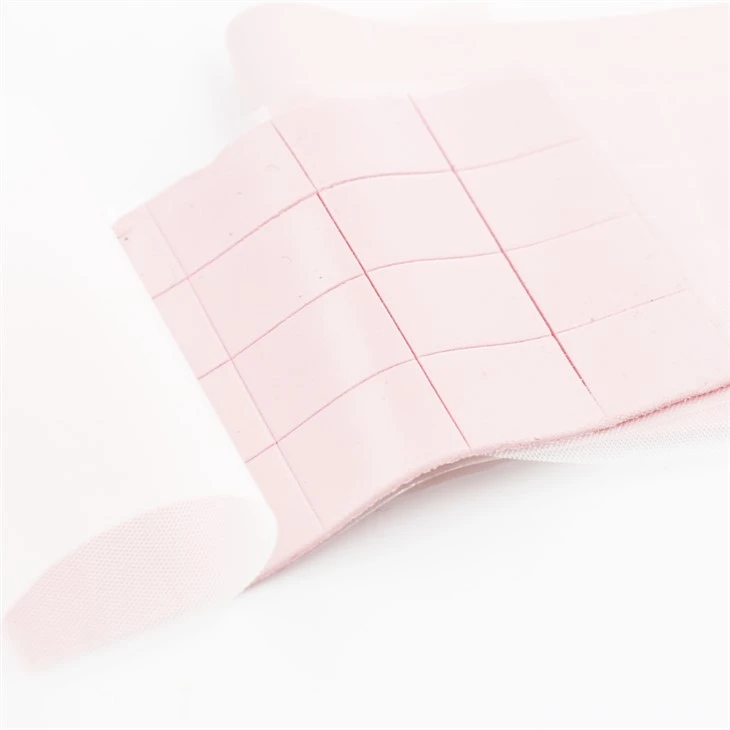
As a Gap Pad supplier, we understand the importance of oil - resistance in various applications. We offer a wide range of Pink Thermal Pad and Electric Thermal Pad options with excellent oil - resistance properties. Our products are made from high - quality materials and undergo rigorous testing to ensure that they meet the highest standards of oil - resistance.
We also provide customized solutions to meet the specific needs of our customers. Whether you need a Gap Pad with a specific level of oil - resistance for a unique application or a pad with other special properties, our team of experts can work with you to develop the right product.
Contact Us for Procurement
If you're in the market for high - quality, oil - resistant Gap Pads, we'd love to hear from you. Our team is ready to assist you with your procurement needs, answer any questions you may have, and provide you with detailed product information. Contact us today to start a discussion about how our Gap Pads can meet your thermal management requirements.
References
- "Thermal Interface Materials: Fundamentals and Applications" by Y. Zhang and X. Wang
- "Handbook of Silicone Elastomers" edited by H. Chern and C. Wang
- Industry standards for oil - resistance testing of thermal interface materials