

Hey there! As a Gap Pad supplier, I often get asked about the radiation resistance of Gap Pads. So, let's dig into this topic and find out what it's all about.
First off, let's understand what Gap Pads are. Gap Pads are soft, thermally conductive materials used to fill gaps between heat-generating components and heat sinks. They help in transferring heat efficiently, which is crucial for the proper functioning and longevity of electronic devices. But when it comes to radiation resistance, things get a bit more interesting.
Radiation resistance refers to a material's ability to withstand the effects of radiation without significant degradation in its properties. In the context of Gap Pads, radiation can come from various sources, such as cosmic rays in space applications, nuclear power plants, or even some high - energy industrial processes.
The radiation environment can have different types of radiation, including alpha particles, beta particles, gamma rays, and neutrons. Each type of radiation interacts with materials in different ways. For example, alpha particles are relatively large and heavy, and they can be stopped by a thin layer of material. Beta particles are smaller and more penetrating, while gamma rays are highly energetic electromagnetic waves that can penetrate deeply into materials. Neutrons, on the other hand, can cause nuclear reactions within the material.
When Gap Pads are exposed to radiation, several things can happen. The most common effect is the degradation of the polymer matrix in the Gap Pad. Most Gap Pads are made of polymers filled with thermally conductive particles. Radiation can break the chemical bonds in the polymer, leading to changes in its mechanical and thermal properties.
For instance, the polymer may become more brittle, which can cause it to crack or lose its ability to conform to the surfaces it's in contact with. This is a big problem because the main function of a Gap Pad is to fill the gaps and provide a good thermal path. If it can't conform properly, the thermal conductivity will decrease, and the heat transfer efficiency will be compromised.
Another issue is the change in the electrical properties of the Gap Pad. In some applications, the electrical insulation properties of the Gap Pad are important. Radiation can cause the formation of free radicals and ions in the material, which can increase its electrical conductivity. This can lead to electrical short - circuits or interference in electronic systems.
However, not all Gap Pads are created equal when it comes to radiation resistance. Some manufacturers, like us, have developed special formulations to enhance the radiation resistance of our Gap Pads. We use radiation - resistant polymers and additives that can help to absorb or dissipate the energy from radiation, reducing the damage to the material.
One way to improve radiation resistance is by using cross - linked polymers. Cross - linking creates a more stable molecular structure that is less likely to be broken by radiation. We also add antioxidants and stabilizers to our Gap Pads. These additives can react with the free radicals formed by radiation, preventing them from causing further damage to the polymer matrix.
Now, let's talk about how we test the radiation resistance of our Gap Pads. We use a combination of laboratory tests and real - world simulations. In the laboratory, we expose samples of our Gap Pads to different types and doses of radiation. We measure the changes in their mechanical, thermal, and electrical properties before and after the radiation exposure.
We also conduct real - world simulations by collaborating with customers in industries that require radiation - resistant materials. For example, in the aerospace industry, we work with satellite manufacturers to test our Gap Pads in simulated space radiation environments. This helps us to ensure that our products can perform reliably in the actual operating conditions.

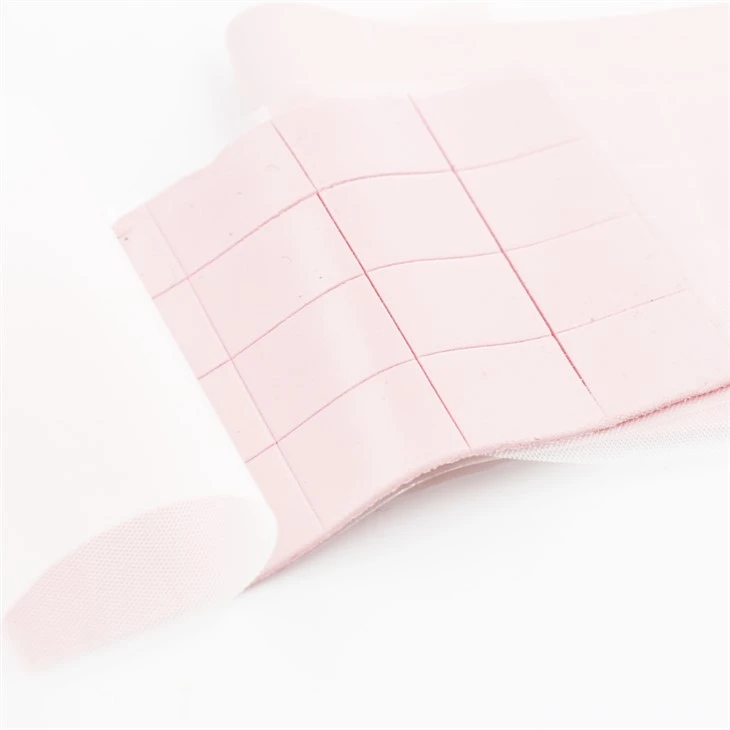
If you're in the market for Gap Pads, especially for applications where radiation resistance is a concern, you might also be interested in some of our other products. Check out our Pcb Heat Sink Pad, which is great for PCB applications. We also have a Pink Thermal Pad that offers excellent thermal conductivity. And if you need a specific thickness, our Thermal Pad 0.5 mm might be just what you're looking for.
In conclusion, the radiation resistance of Gap Pads is an important factor to consider, especially in certain industries. At our company, we're committed to providing high - quality Gap Pads that can withstand radiation and perform well in challenging environments. If you have any questions about our Gap Pads or need help choosing the right product for your application, don't hesitate to reach out. We're here to help you make the best decision for your thermal management needs. Let's start a conversation about your procurement requirements, and we can work together to find the perfect solution for you.
References
- Some textbooks on materials science and radiation effects on polymers.
- Industry reports on thermal management materials in radiation - prone environments.