

Hey there! As a silicone adhesive supplier, I often get asked about different properties of silicone adhesives. One question that comes up quite a bit is, "What is the tear strength of silicone adhesive?" Well, let's dive right into it.
First off, tear strength is a super important property when it comes to silicone adhesives. It basically tells you how well the adhesive can resist tearing when it's under stress. You know, like when you're pulling or stretching the bonded materials, the tear strength determines whether the adhesive will hold up or start to come apart.
Silicone adhesives are known for their flexibility and durability, and tear strength plays a big role in that. When we talk about tear strength, we're usually measuring it in units like pounds per inch (ppi) or newtons per meter (N/m). A higher tear strength means the adhesive can withstand more force before it tears.
Now, the tear strength of silicone adhesive can vary quite a bit depending on a few factors. One of the main factors is the formulation of the adhesive. Different manufacturers use different ingredients and ratios to create their silicone adhesives, and this can have a big impact on the tear strength. Some adhesives are designed to have a high tear strength for applications where there will be a lot of stress, like in automotive or aerospace industries. On the other hand, some adhesives may have a lower tear strength but are better suited for applications where flexibility is more important, like in electronics or household items.
Another factor that affects tear strength is the curing process. Silicone adhesives typically cure through a chemical reaction, and the way this reaction happens can influence the final tear strength. If the adhesive is cured too quickly or at the wrong temperature, it may not develop its full tear strength potential. That's why it's important to follow the manufacturer's instructions carefully when curing silicone adhesives.
The application method also matters. How the adhesive is applied can affect its tear strength. For example, if the adhesive is applied too thinly, it may not have enough body to resist tearing. On the other hand, if it's applied too thickly, it may not cure properly and could also have a lower tear strength.
Let's talk about some real - world applications where tear strength is crucial. In the automotive industry, silicone adhesives are used to bond various parts together, like gaskets, seals, and trim. These parts are often exposed to vibrations, temperature changes, and mechanical stress. A high - tear - strength silicone adhesive is needed to ensure that the bonds stay intact and prevent leaks or failures.
In the electronics industry, silicone adhesives are used for potting and encapsulation. Potting Silicone helps protect sensitive electronic components from moisture, dust, and mechanical shock. Here, the tear strength is important because the adhesive needs to hold up during handling, assembly, and normal use of the electronic device.
For household applications, rtv silicone rubber adhesive sealant is commonly used to seal around sinks, showers, and windows. It needs to have a decent tear strength to withstand normal wear and tear, like when you're cleaning or moving things around.

If you're in the market for a silicone adhesive with a specific tear strength, it's important to do your research. Look at the product specifications provided by the manufacturer. They usually list the tear strength along with other important properties like hardness, viscosity, and cure time. You can also ask for samples to test in your specific application. This way, you can see how the adhesive performs in real - world conditions and make an informed decision.
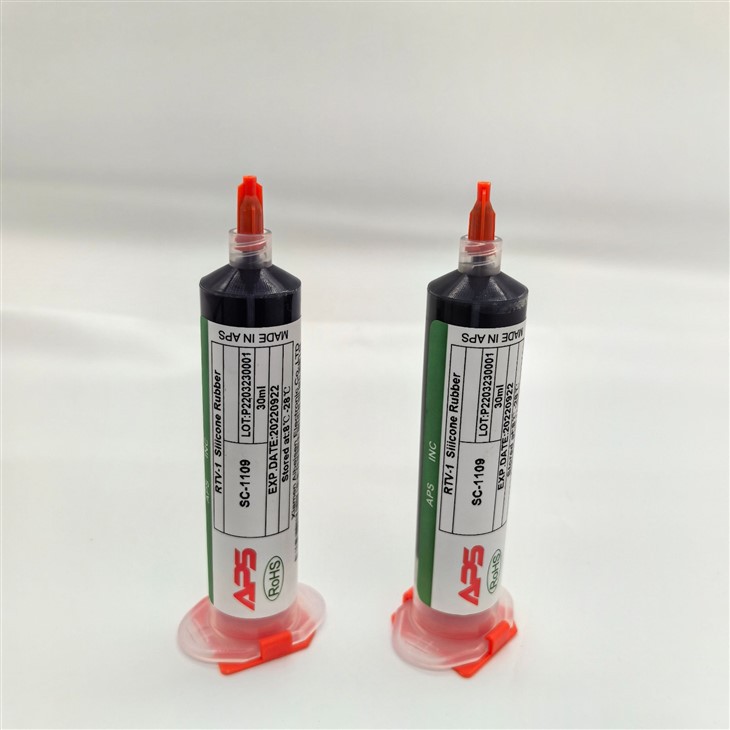
There are also different types of silicone adhesives available, each with its own tear strength characteristics. For example, Black Adhesive Sealant Silicone Rtv is a popular choice for many applications. It offers good adhesion and a reasonable tear strength. But depending on your needs, you may need to choose a different type of silicone adhesive.
As a silicone adhesive supplier, I'm always here to help you find the right product for your needs. Whether you need a high - tear - strength adhesive for a demanding industrial application or a more flexible one for a household project, I can guide you through the selection process. We have a wide range of silicone adhesives in our inventory, and we can provide you with all the technical information you need.
If you're interested in learning more about our silicone adhesives or have any questions about tear strength or other properties, don't hesitate to reach out. We can have a detailed discussion about your specific requirements and find the best solution for you. Whether you're a small business looking for a reliable adhesive for your products or a DIY enthusiast working on a home project, we're here to support you.
In conclusion, tear strength is a vital property of silicone adhesives that can significantly impact their performance in various applications. By understanding the factors that affect tear strength and choosing the right adhesive for your needs, you can ensure strong and long - lasting bonds. So, if you're in the market for silicone adhesives, give us a shout, and let's work together to find the perfect solution for your bonding needs.
References
- ASTM D624 - Standard Test Method for Tear Strength of Conventional Vulcanized Rubber and Thermoplastic Elastomers
- ISO 34 - 1:2015 - Rubber, vulcanized or thermoplastic — Determination of tear strength