

Are there different types of thermal pads?
As a supplier of thermal pads, I often get asked this question. The answer is a resounding yes! There are indeed different types of thermal pads, each designed to meet specific needs and applications. In this blog post, I'll explore the various types of thermal pads available in the market, their characteristics, and the situations in which they are most suitable.
Silicone-based Thermal Pads
Silicone-based thermal pads are one of the most common types of thermal pads. They are made from a silicone matrix filled with thermally conductive particles such as aluminum oxide, boron nitride, or zinc oxide. These pads are known for their excellent flexibility, which allows them to conform to uneven surfaces and fill gaps between heat sources and heat sinks effectively.
One of the key advantages of silicone-based thermal pads is their ease of use. They can be easily cut to size and applied without the need for any special tools or skills. Additionally, they are generally non-toxic and non-corrosive, making them safe to use in a wide range of applications.
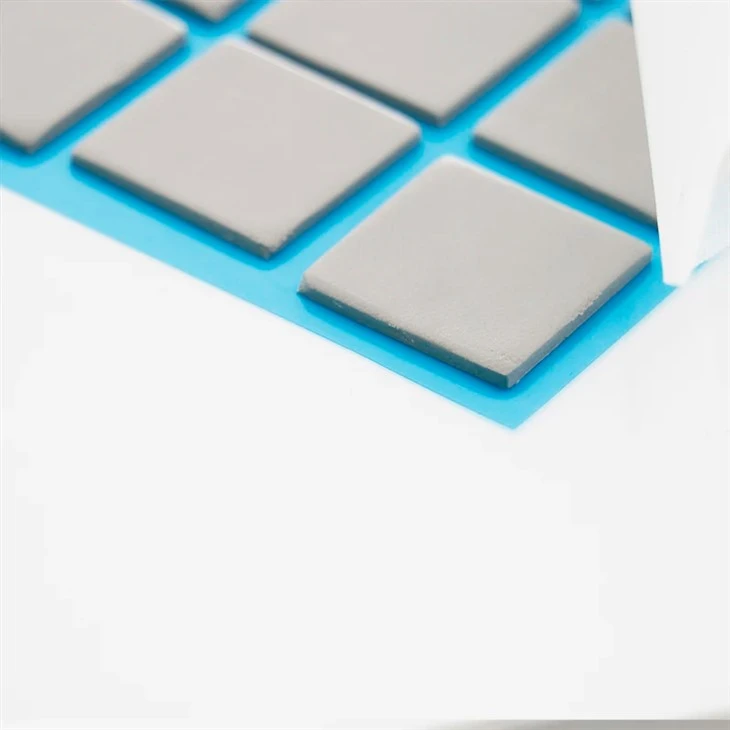
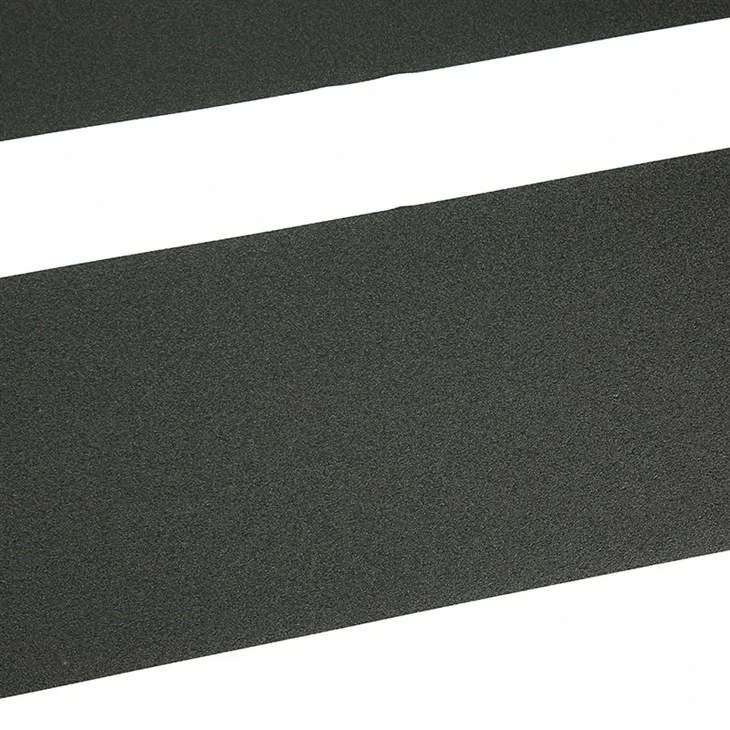
Silicone-based thermal pads also offer good thermal conductivity, typically ranging from 1 to 5 W/mK. This makes them suitable for a variety of consumer electronics, such as laptops, desktop computers, and gaming consoles. For example, if you're looking for a Computer Heat Pad for your laptop, a silicone-based thermal pad would be a great choice.
However, silicone-based thermal pads do have some limitations. They tend to have a relatively high compression set, which means they may lose their shape and performance over time under constant pressure. Additionally, they may not be suitable for high-temperature applications, as the silicone matrix can degrade at elevated temperatures.
Ceramic-based Thermal Pads
Ceramic-based thermal pads are another popular type of thermal pad. They are made from a ceramic filler, such as aluminum nitride or silicon carbide, embedded in a polymer matrix. These pads offer higher thermal conductivity compared to silicone-based thermal pads, typically ranging from 5 to 10 W/mK.
One of the main advantages of ceramic-based thermal pads is their excellent thermal performance. They can transfer heat more efficiently, making them ideal for high-power applications, such as power supplies, LED lighting, and industrial equipment. For instance, if you need a high performance thermal pad for your power supply, a ceramic-based thermal pad would be a suitable option.
Ceramic-based thermal pads also have good chemical resistance and can withstand higher temperatures compared to silicone-based thermal pads. They are less likely to degrade or outgas, which makes them more reliable in long-term applications.
However, ceramic-based thermal pads are generally more rigid and less flexible than silicone-based thermal pads. This can make them more difficult to install, especially on uneven surfaces. Additionally, they are often more expensive, which may limit their use in cost-sensitive applications.
Graphite-based Thermal Pads
Graphite-based thermal pads are a relatively new type of thermal pad that has gained popularity in recent years. They are made from a graphite film or sheet, which is known for its excellent thermal conductivity in the in-plane direction. Graphite-based thermal pads can have thermal conductivities of up to 1000 W/mK in the in-plane direction, although their through-plane thermal conductivity is typically lower.
One of the key advantages of graphite-based thermal pads is their high thermal conductivity in the in-plane direction. This allows them to spread heat quickly across a large area, making them ideal for applications where heat spreading is important, such as mobile devices, tablets, and wearables. For example, if you're looking for a thermal pad to improve the heat dissipation of your smartphone, a graphite-based thermal pad would be a good choice.
Graphite-based thermal pads are also very thin and lightweight, which makes them suitable for applications where space is limited. They are also flexible and can conform to curved surfaces, which makes them easy to install.
However, graphite-based thermal pads have some limitations. Their through-plane thermal conductivity is relatively low, which means they may not be as effective in transferring heat from a heat source to a heat sink. Additionally, they are often more expensive than other types of thermal pads, which may limit their use in cost-sensitive applications.
Phase-change Thermal Pads
Phase-change thermal pads are a unique type of thermal pad that changes from a solid to a liquid state at a specific temperature. They are typically made from a mixture of waxes, polymers, and thermally conductive particles. When the temperature reaches the phase-change temperature, the pad softens and conforms to the surface of the heat source and heat sink, filling any gaps and improving thermal contact.
One of the main advantages of phase-change thermal pads is their excellent thermal performance. They can provide a very low thermal resistance, which allows them to transfer heat more efficiently compared to other types of thermal pads. Phase-change thermal pads are often used in high-performance applications, such as overclocked computers, servers, and high-power graphics cards.
Phase-change thermal pads also have good adhesion properties, which helps to keep them in place during installation and use. They are less likely to move or shift, which ensures consistent thermal performance over time.
However, phase-change thermal pads have some limitations. They require a certain amount of heat to activate the phase-change process, which means they may not be suitable for low-power applications. Additionally, they can be more difficult to install compared to other types of thermal pads, as they need to be heated to the phase-change temperature before use.
Choosing the Right Thermal Pad
When choosing a thermal pad, there are several factors to consider, including the thermal conductivity, flexibility, thickness, adhesion, and cost. Here are some guidelines to help you choose the right thermal pad for your application:
- Thermal Conductivity: The thermal conductivity of the thermal pad is one of the most important factors to consider. Higher thermal conductivity means better heat transfer. Choose a thermal pad with a thermal conductivity that meets the requirements of your application.
- Flexibility: If you need to apply the thermal pad on an uneven surface, choose a flexible thermal pad that can conform to the surface. Silicone-based thermal pads are generally more flexible than ceramic-based or graphite-based thermal pads.
- Thickness: The thickness of the thermal pad can affect its thermal performance. Thicker thermal pads may have higher thermal resistance, while thinner thermal pads may be more difficult to handle. Choose a thickness that is appropriate for your application.
- Adhesion: Good adhesion is important to ensure that the thermal pad stays in place during installation and use. Some thermal pads come with an adhesive backing, while others may require the use of additional adhesive.
- Cost: The cost of the thermal pad is also an important factor to consider. Choose a thermal pad that offers the best balance between performance and cost for your application.
Conclusion
In conclusion, there are different types of thermal pads available in the market, each with its own unique characteristics and applications. Silicone-based thermal pads are easy to use and suitable for a wide range of consumer electronics. Ceramic-based thermal pads offer higher thermal conductivity and are ideal for high-power applications. Graphite-based thermal pads are great for heat spreading in mobile devices. Phase-change thermal pads provide excellent thermal performance in high-performance applications.
As a thermal pad supplier, we offer a wide range of thermal pads to meet the needs of different applications. Whether you need a Computer Heat Pad, a high performance thermal pad, or a Thermal Conductive Pads Heatsink, we have the right solution for you.
If you're interested in learning more about our thermal pads or would like to discuss your specific requirements, please feel free to contact us. We look forward to working with you to find the best thermal pad solution for your application.
References
- "Thermal Interface Materials: A Review" by X. Zhang, et al.
- "Thermal Management of Electronic Systems" by D. Yovanovich