

Epoxy adhesives are renowned for their versatility and strength, making them a popular choice in a wide range of industries. One question that often arises is whether epoxy adhesive can be used for bonding Kevlar. As a supplier of high - quality epoxy adhesives, I'm here to delve into this topic and provide you with a comprehensive answer.
Understanding Kevlar
Kevlar is an aramid fiber known for its exceptional strength - to - weight ratio, high tensile strength, and excellent resistance to heat and chemicals. It is commonly used in applications where durability and protection are paramount, such as bullet - proof vests, aerospace components, and high - performance sports equipment. However, bonding Kevlar can be challenging due to its smooth surface and low surface energy, which makes it difficult for adhesives to adhere effectively.
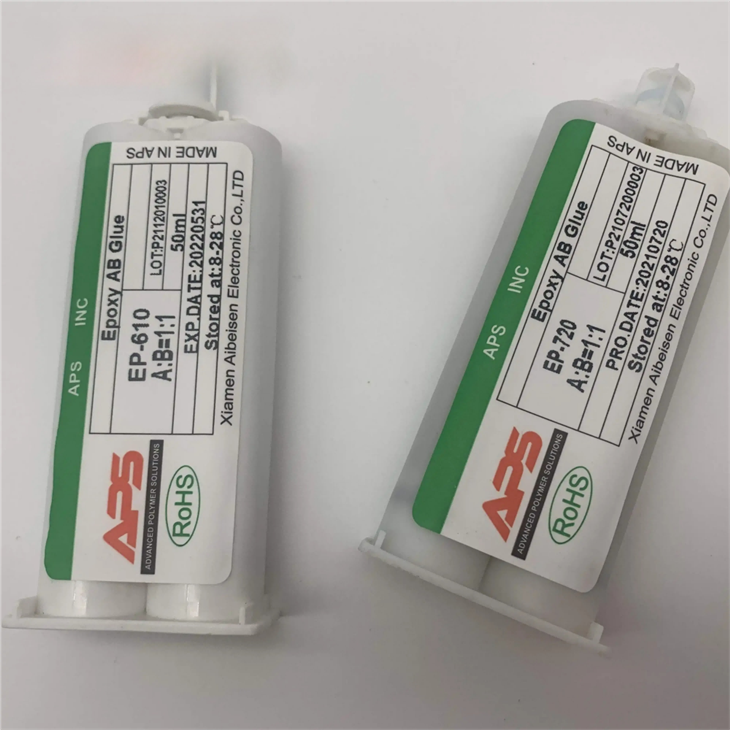

Characteristics of Epoxy Adhesives
Epoxy adhesives are a type of thermosetting polymer that consists of two components: a resin and a hardener. When these two components are mixed together, a chemical reaction occurs, resulting in a strong, rigid bond. Epoxy adhesives offer several advantages, including high strength, good chemical resistance, and excellent adhesion to a variety of materials. They can be formulated to have different properties, such as flexibility, high temperature resistance, and electrical conductivity, depending on the specific application requirements.
Can Epoxy Adhesive Bond Kevlar?
The short answer is yes, epoxy adhesive can be used for bonding Kevlar, but it requires proper surface preparation and the right epoxy formulation. Here are some factors to consider when using epoxy adhesive to bond Kevlar:
Surface Preparation
As mentioned earlier, Kevlar has a smooth surface with low surface energy, which can prevent the epoxy adhesive from bonding effectively. To improve adhesion, the Kevlar surface needs to be properly prepared. This can be done by sanding the surface gently to create a rough texture, which provides more surface area for the adhesive to bond to. After sanding, the surface should be cleaned thoroughly with a suitable solvent to remove any dust, oil, or contaminants.
Epoxy Formulation
Not all epoxy adhesives are suitable for bonding Kevlar. You need to choose an epoxy formulation that has good adhesion to aramid fibers. Some epoxy adhesives are specifically designed for bonding high - performance fibers like Kevlar and offer excellent bond strength. These adhesives often have a high shear strength and can withstand the stresses and strains that Kevlar may be subjected to in its application.
Curing Conditions
The curing process of epoxy adhesive is crucial for achieving a strong bond. The epoxy should be mixed according to the manufacturer's instructions and applied to the prepared Kevlar surface within the recommended pot life. The curing temperature and time also need to be carefully controlled. Some epoxy adhesives require a specific temperature range and curing time to fully cure and develop their maximum strength.
Applications of Epoxy - Bonded Kevlar
When epoxy adhesive is used to bond Kevlar successfully, it opens up a wide range of applications.
Aerospace Industry
In the aerospace industry, Kevlar is used in the construction of aircraft components such as wings, fuselages, and interior panels. Epoxy - bonded Kevlar can provide lightweight yet strong structures that can withstand the extreme conditions of flight. The high strength - to - weight ratio of Kevlar combined with the excellent adhesion of epoxy adhesive makes it an ideal choice for reducing the weight of aircraft while maintaining structural integrity.
Defense and Security
Kevlar is well - known for its use in bullet - proof vests and other protective gear. Epoxy adhesive can be used to bond different layers of Kevlar together, enhancing the overall strength and durability of the protective equipment. It can also be used to attach Kevlar to other materials, such as metal or plastic frames, to create more complex protective structures.
Sports Equipment
In the sports industry, Kevlar is used in the manufacturing of high - performance sports equipment such as tennis rackets, bicycle frames, and helmets. Epoxy - bonded Kevlar can improve the performance of these products by providing a strong and lightweight structure. For example, a tennis racket with an epoxy - bonded Kevlar frame can offer better power and control during play.
Our Epoxy Adhesive Product Range
As an epoxy adhesive supplier, we offer a wide range of products that are suitable for bonding Kevlar and other high - performance materials.
Hot Melt Adhesive
Our hot melt epoxy adhesives are easy to apply and offer fast bonding times. They can be used for bonding Kevlar in applications where quick assembly is required. These adhesives have good adhesion to Kevlar and can provide a strong bond even under high - stress conditions.
Thermally Conductive Adhesive
In some applications, such as electronic devices that use Kevlar for structural support, thermal management is important. Our thermally conductive epoxy adhesives can transfer heat away from the bonded area, preventing overheating and ensuring the long - term performance of the product.
Conductive Epoxy For Electronics
For electronic applications where Kevlar may be used in combination with conductive elements, our conductive epoxy adhesives can provide both electrical conductivity and strong bonding. These adhesives are formulated to meet the specific requirements of the electronics industry.
Conclusion
In conclusion, epoxy adhesive can be used for bonding Kevlar, but it requires careful consideration of surface preparation, epoxy formulation, and curing conditions. With the right approach, epoxy - bonded Kevlar can be used in a variety of high - performance applications across different industries.
If you are interested in using our epoxy adhesives for bonding Kevlar or have any questions about our products, we encourage you to contact us for a detailed discussion. Our team of experts is ready to assist you in choosing the right epoxy adhesive for your specific application and providing you with all the necessary technical support.
References
- Callister, W. D., & Rethwisch, D. G. (2018). Materials Science and Engineering: An Introduction. Wiley.
- Ashbee, K. H. (1993). Adhesive Bonding: Science, Technology, and Applications. Marcel Dekker.
- Hull, D., & Clyne, T. W. (2004). An Introduction to Composite Materials. Cambridge University Press.