

In the era of rapid technological advancement, smart home devices have become an integral part of our daily lives. These devices, ranging from smart thermostats and lighting systems to home security cameras and voice - controlled assistants, offer convenience, energy efficiency, and enhanced security. As a Gap Pad supplier, I often receive inquiries about the potential use of Gap Pads in smart home devices. In this blog, I will explore whether Gap Pads can be effectively used in smart home devices, delving into the properties of Gap Pads, the requirements of smart home devices, and the benefits of such an application.
Understanding Gap Pads
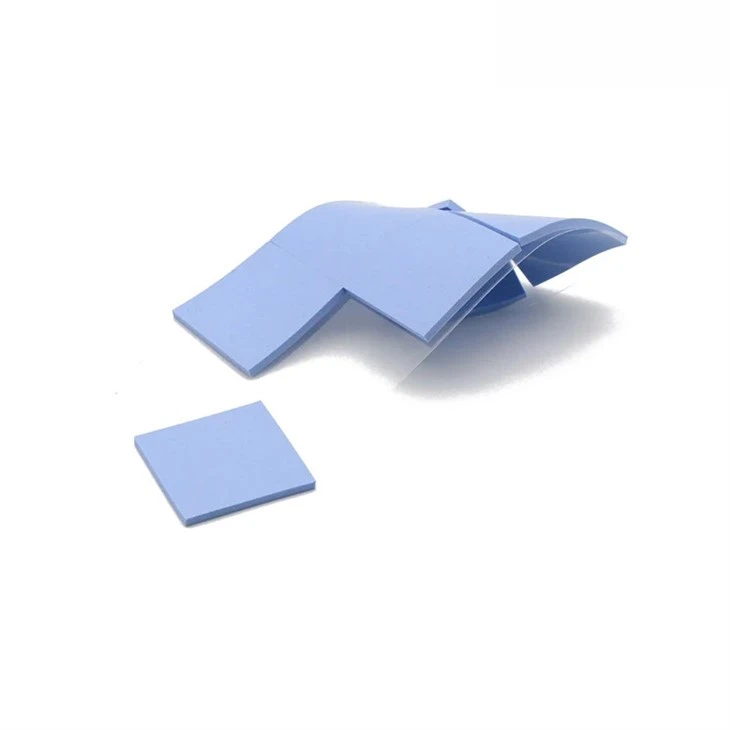
Gap Pads, also known as Thermal Gap Pad, are soft, compliant materials designed to fill gaps between heat - generating components and heat sinks or other cooling structures. They are typically made of silicone or other polymer - based materials filled with thermally conductive particles such as aluminum oxide, boron nitride, or graphite. The main function of Gap Pads is to improve thermal transfer by eliminating air gaps, which are poor conductors of heat.
The key properties of Gap Pads include high thermal conductivity, low hardness, and good compressibility. High thermal conductivity allows for efficient heat transfer from the heat source to the heat sink, while low hardness and good compressibility enable the Gap Pad to conform to irregular surfaces, ensuring maximum contact area and minimizing thermal resistance.
Requirements of Smart Home Devices
Smart home devices have several unique requirements that need to be considered when evaluating the use of Gap Pads.
Heat Dissipation
Many smart home devices, especially those with processors, Wi - Fi modules, or other high - power components, generate heat during operation. Excessive heat can lead to reduced performance, shortened lifespan, and even system failures. Therefore, effective heat dissipation is crucial for the reliable operation of smart home devices.
Space Constraints
Smart home devices are often designed to be compact and aesthetically pleasing. This means that there is limited space available for heat sinks and other cooling components. Gap Pads, with their thin profiles and ability to fill small gaps, can be an ideal solution for heat dissipation in space - constrained environments.
Electrical Insulation
In addition to heat dissipation, electrical insulation is also an important requirement for smart home devices. To prevent electrical short - circuits and ensure user safety, the materials used in these devices must have good electrical insulation properties. Many Gap Pads are designed to provide both thermal conductivity and electrical insulation, making them suitable for use in smart home devices.
Durability and Reliability
Smart home devices are expected to operate continuously for long periods of time. Therefore, the materials used in these devices must be durable and reliable. Gap Pads are typically resistant to aging, moisture, and chemicals, ensuring long - term performance and reliability.
Benefits of Using Gap Pads in Smart Home Devices
Based on the properties of Gap Pads and the requirements of smart home devices, there are several benefits to using Gap Pads in these applications.
Improved Thermal Performance
By filling the gaps between heat - generating components and heat sinks, Gap Pads can significantly improve thermal transfer efficiency. This helps to keep the temperature of the components within a safe operating range, reducing the risk of overheating and improving the overall performance and reliability of the smart home devices.
Space - Saving Design
As mentioned earlier, smart home devices often have limited space. Gap Pads can be used to replace traditional heat sinks or other bulky cooling components, allowing for a more compact and streamlined design. This not only saves space but also enhances the aesthetic appeal of the devices.
Cost - Effectiveness
Compared to some other cooling solutions, Gap Pads are relatively inexpensive. They are easy to install and require minimal maintenance, making them a cost - effective option for heat dissipation in smart home devices.
Electrical Safety
The electrical insulation properties of Gap Pads help to prevent electrical short - circuits and ensure user safety. This is especially important in smart home devices, which are often in close proximity to users and may be operated by non - technical individuals.
Examples of Smart Home Devices That Can Use Gap Pads
Smart Thermostats
Smart thermostats are used to control the temperature of homes and buildings. They typically contain a processor, Wi - Fi module, and other components that generate heat. Gap Pads can be used to transfer heat from these components to a heat sink or the device's housing, ensuring stable operation and accurate temperature control.
Smart Cameras
Smart cameras are widely used for home security. They often have high - resolution sensors, processors, and Wi - Fi modules that generate heat during operation. Gap Pads can help to dissipate this heat, preventing overheating and ensuring clear and reliable video recording.
Smart Speakers
Smart speakers, such as Amazon Echo and Google Home, are popular smart home devices. They contain processors, amplifiers, and other components that generate heat. Gap Pads can be used to transfer heat from these components to the speaker's housing or a heat sink, improving sound quality and extending the lifespan of the device.
Considerations When Using Gap Pads in Smart Home Devices
While Gap Pads offer many benefits for smart home devices, there are also some considerations that need to be taken into account.
Thermal Conductivity Requirements
Different smart home devices have different thermal conductivity requirements depending on the power of the heat - generating components and the operating environment. It is important to select a Gap Pad with the appropriate thermal conductivity to ensure efficient heat transfer.
Compatibility with Other Materials
Gap Pads need to be compatible with the other materials used in the smart home devices, such as the heat source, heat sink, and device housing. Incompatible materials can lead to chemical reactions, degradation, and reduced performance.
Installation and Maintenance
Proper installation of Gap Pads is crucial for their performance. The Gap Pad should be installed in a way that ensures maximum contact area between the heat source and the heat sink. Additionally, regular maintenance may be required to check the condition of the Gap Pad and ensure its continued effectiveness.
Conclusion
In conclusion, Gap Pads can be effectively used in smart home devices. Their high thermal conductivity, low hardness, good compressibility, and electrical insulation properties make them suitable for heat dissipation in space - constrained, cost - sensitive, and safety - critical applications. By using Gap Pads, smart home device manufacturers can improve the thermal performance, reliability, and lifespan of their products.
If you are a smart home device manufacturer or distributor interested in using high - quality Gap Pads for your products, I encourage you to reach out to us. We offer a wide range of Thermal Conductive Insulation Mat and High Quality Thermal Pads that can meet your specific requirements. Contact us today to discuss your needs and explore the possibilities of using our Gap Pads in your smart home devices.

References
- "Thermal Management in Electronic Devices and Systems", by Avram Bar - Cohen and Donald P. Siegel.
- "Handbook of Thermal Management of Electronic Systems", edited by Ali Boriskin and Avram Bar - Cohen.
- Technical datasheets of Gap Pads from various manufacturers.