

Can Thermal Pads Be Cut to Size?
As a thermal pad supplier, I often encounter questions from customers about the flexibility and adaptability of thermal pads. One of the most frequently asked questions is whether thermal pads can be cut to size. In this blog post, I'll delve into this topic, exploring the feasibility, benefits, and considerations when cutting thermal pads.
Feasibility of Cutting Thermal Pads
The short answer is yes, thermal pads can generally be cut to size. Most thermal pads are made from materials that allow for easy cutting with common tools. Materials like silicone, graphite, and ceramic-filled polymers are often used in thermal pads, and they can be sliced using a sharp utility knife, scissors, or a precision cutter.
Silicone-based thermal pads, for example, are soft and pliable, making them relatively easy to cut. They can be trimmed to fit various shapes and sizes of heat sources and sinks. Graphite thermal pads are also quite cuttable. Graphite has a layered structure that allows it to be cleanly sliced without significant fraying or damage to the material. Ceramic-filled thermal pads, while a bit stiffer, can still be cut with the right tools. The key is to use a sharp blade to ensure a clean cut and minimize the risk of damaging the thermal properties of the pad.
Benefits of Cutting Thermal Pads to Size
There are several benefits to cutting thermal pads to the exact size needed for a particular application.

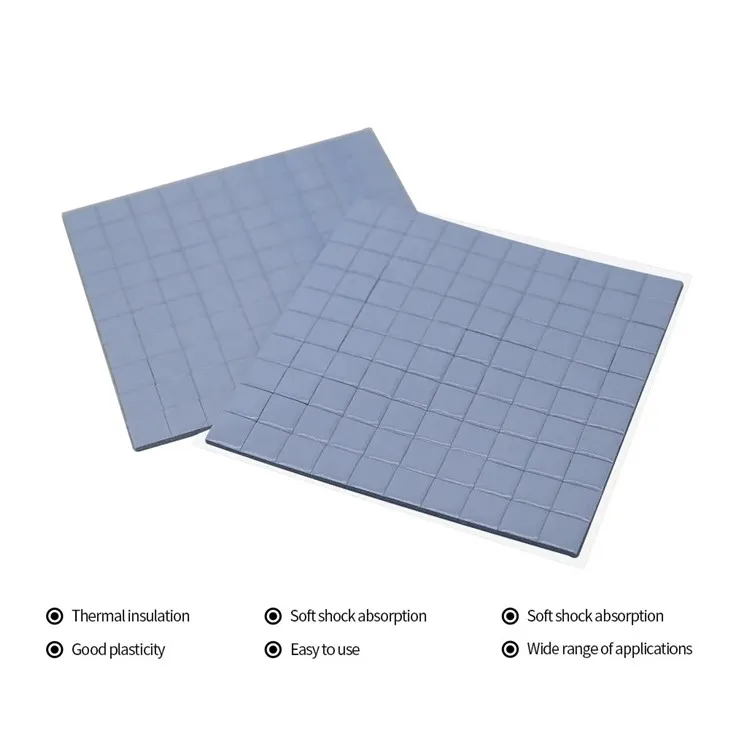
Custom Fit: Every electronic device has unique dimensions and requirements. By cutting the thermal pad to size, you can ensure a perfect fit between the heat source (such as a CPU or GPU) and the heat sink. This maximizes the contact area, which is crucial for efficient heat transfer. A well-fitted thermal pad can significantly improve the cooling performance of the device, reducing the risk of overheating and extending the lifespan of the components.
Cost-Effective: Thermal pads are typically sold in standard sizes. If you need a small thermal pad for a specific project, cutting it from a larger sheet can be a cost-effective solution. Instead of purchasing a pre-cut pad that may be larger than necessary, you can use only the amount of material you need, saving money in the long run.
Versatility: Cutting thermal pads allows for greater versatility in different applications. You can create custom shapes, such as circles, rectangles, or even irregular shapes, to fit non-standard heat sources or heat sinks. This flexibility makes thermal pads suitable for a wide range of electronic devices, from small consumer electronics to large industrial equipment.
Considerations When Cutting Thermal Pads
While cutting thermal pads is generally feasible, there are some important considerations to keep in mind.
Cutting Precision: A precise cut is essential to ensure optimal performance. If the edges of the thermal pad are jagged or uneven, it can create gaps between the heat source and the heat sink, reducing the efficiency of heat transfer. To achieve a precise cut, use a sharp blade and a straight edge or a cutting guide. Take your time and make slow, steady cuts to avoid mistakes.
Thermal Performance: Cutting the thermal pad should not compromise its thermal properties. Some thermal pads have a specific orientation or internal structure that affects heat transfer. When cutting, make sure to follow the manufacturer's guidelines to ensure that the thermal performance of the pad remains intact. For example, some graphite thermal pads have a preferred direction of heat flow, and cutting them in the wrong direction could reduce their effectiveness.
Cleanliness: It's important to keep the thermal pad clean during the cutting process. Any dust, debris, or contaminants on the surface of the pad can interfere with heat transfer. Before and after cutting, use a clean, lint-free cloth to wipe the pad and remove any particles. If possible, cut the pad in a clean environment to minimize the risk of contamination.
Applications of Cut Thermal Pads
Cut thermal pads have a wide range of applications in the electronics industry.
Consumer Electronics: In smartphones, tablets, laptops, and other consumer electronics, thermal pads are used to transfer heat from the CPU, GPU, and other components to the heat sink or the device's chassis. By cutting the thermal pad to the exact size of the component, manufacturers can ensure efficient heat dissipation and prevent overheating, which can lead to performance issues and reduced battery life.
Industrial Equipment: Industrial electronics, such as servers, power supplies, and control systems, generate a significant amount of heat. Thermal pads are used to cool these components and maintain their reliability. Cutting the thermal pads to size allows for a custom fit in industrial equipment, where space may be limited and the heat sources and sinks may have unique shapes.
Automotive Electronics: In modern vehicles, there are numerous electronic components, including engine control units (ECUs), infotainment systems, and battery management systems. Thermal pads are used to cool these components and ensure their proper functioning. Cutting the thermal pads to size is necessary to fit the specific requirements of automotive applications, where space is often at a premium.
Types of Thermal Pads Suitable for Cutting
There are several types of thermal pads available in the market, each with its own characteristics and suitability for cutting.
Pcb Heat Sink Pad: These thermal pads are specifically designed for use on printed circuit boards (PCBs). They are typically made from a soft, silicone-based material that is easy to cut. Pcb Heat Sink Pads provide good thermal conductivity and are suitable for a wide range of PCB applications.
Henkel Gap Pad: Henkel Gap Pads are known for their high thermal performance and compressibility. They can be cut to size to fill gaps between heat sources and heat sinks, ensuring efficient heat transfer. These pads are often used in high-power electronic devices where effective cooling is crucial.
Bergquist Thermal Pad: Bergquist Thermal Pads are made from advanced materials and offer excellent thermal conductivity. They can be easily cut to fit various shapes and sizes, making them suitable for a variety of applications. Bergquist Thermal Pads are commonly used in the automotive, aerospace, and telecommunications industries.
Conclusion
In conclusion, thermal pads can be cut to size, and this practice offers many benefits, including custom fit, cost savings, and versatility. However, it's important to consider factors such as cutting precision, thermal performance, and cleanliness to ensure optimal results. As a thermal pad supplier, I can provide high-quality thermal pads that are suitable for cutting and meet the specific needs of your applications.
If you're interested in purchasing thermal pads or have any questions about cutting them to size, I encourage you to contact me for a detailed discussion. I can help you choose the right thermal pad for your project and provide guidance on the cutting process. Let's work together to ensure efficient heat transfer and reliable performance in your electronic devices.
References
- "Thermal Management in Electronic Systems" by Andrew D. Kraus, et al.
- Manufacturer's datasheets for various thermal pads.
- Industry research reports on thermal management technologies.