

As a seasoned supplier of Hot Melt Adhesive, I've witnessed firsthand the critical role that application temperature plays in determining the bond strength of these versatile adhesives. In this blog post, I'll delve into the science behind this relationship, exploring how temperature affects the performance of hot melt adhesives and offering practical insights for optimizing your bonding processes.
Understanding Hot Melt Adhesives
Before we dive into the impact of application temperature, let's take a moment to understand what hot melt adhesives are and how they work. Hot melt adhesives, also known as hot glue, are thermoplastic adhesives that are solid at room temperature and become liquid when heated. They are typically applied in a molten state using a hot glue gun or other dispensing equipment and then bond to the substrate as they cool and solidify.
One of the key advantages of hot melt adhesives is their fast setting time, which allows for rapid assembly and high production rates. They also offer excellent adhesion to a wide range of substrates, including plastics, metals, wood, and paper, making them a popular choice in many industries, such as packaging, woodworking, automotive, and electronics.
The Role of Application Temperature
The application temperature of hot melt adhesives is a critical factor that can significantly affect their bond strength and performance. When hot melt adhesives are heated to the appropriate temperature, they become fluid and can flow easily onto the substrate, wetting the surface and forming a strong bond. However, if the temperature is too low, the adhesive may not flow properly, resulting in poor wetting and weak bonds. On the other hand, if the temperature is too high, the adhesive may degrade or burn, leading to reduced bond strength and other performance issues.
Effects of Low Application Temperature
When hot melt adhesives are applied at a temperature below their recommended range, several problems can occur. Firstly, the adhesive may not have enough fluidity to spread evenly over the substrate, resulting in poor wetting and incomplete coverage. This can lead to weak bonds that are prone to failure, especially under stress or in harsh environments.
Secondly, low application temperatures can cause the adhesive to solidify too quickly, preventing it from fully penetrating the substrate and forming a strong mechanical bond. This can result in a weaker bond strength and reduced durability over time.
Finally, applying hot melt adhesives at low temperatures can also increase the risk of adhesive stringing or "spider webbing," which occurs when the adhesive forms thin strands or filaments as it is dispensed. This can make it difficult to control the application process and can also affect the appearance and quality of the finished product.
Effects of High Application Temperature
Conversely, applying hot melt adhesives at a temperature above their recommended range can also have negative consequences. When hot melt adhesives are heated to high temperatures, they can start to degrade or break down, losing their adhesive properties and becoming less effective. This can result in reduced bond strength, increased brittleness, and a shorter shelf life.
In addition, high application temperatures can also cause the adhesive to smoke or emit fumes, which can be a health hazard for workers and can also damage the substrate or surrounding equipment. Excessive heat can also cause the adhesive to char or burn, leaving behind a blackened residue that can be difficult to remove and can affect the appearance and performance of the finished product.
Optimizing Application Temperature
To ensure optimal bond strength and performance, it's essential to apply hot melt adhesives at the correct temperature. The recommended application temperature for hot melt adhesives can vary depending on the specific product and the substrate being bonded, so it's important to consult the manufacturer's instructions and guidelines before use.
In general, most hot melt adhesives have a recommended application temperature range of between 120°C and 180°C (248°F and 356°F). However, some high-performance adhesives may require higher temperatures, while others may be designed for use at lower temperatures.
To achieve the correct application temperature, it's important to use a reliable hot glue gun or other dispensing equipment that can accurately control the temperature. Many modern hot glue guns are equipped with temperature control settings that allow you to adjust the temperature to the desired level, ensuring consistent and reliable performance.
It's also important to preheat the substrate before applying the hot melt adhesive, especially if it is made of a material that has a low thermal conductivity, such as plastic or wood. Preheating the substrate can help to improve the wetting and adhesion of the adhesive, resulting in stronger and more durable bonds.
Other Factors Affecting Bond Strength
While application temperature is a critical factor in determining the bond strength of hot melt adhesives, it's not the only one. Other factors that can affect bond strength include the type of substrate being bonded, the surface preparation of the substrate, the amount of adhesive applied, and the pressure and time applied during the bonding process.
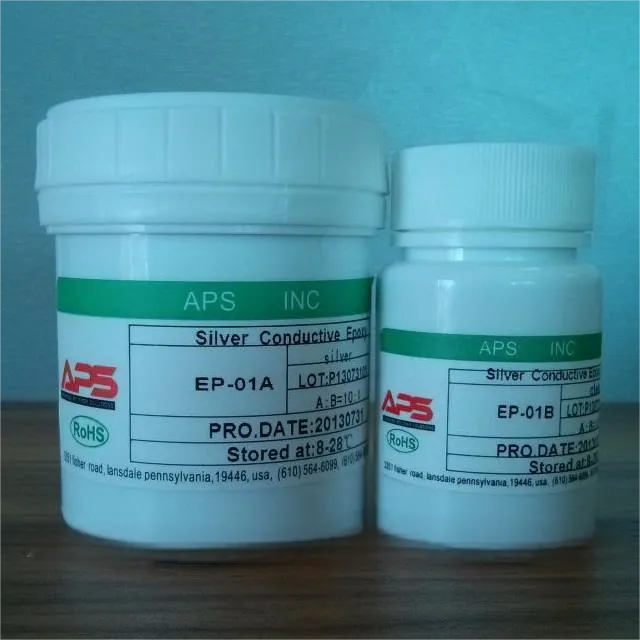

For example, different substrates have different surface energies and chemical compositions, which can affect the wetting and adhesion of the adhesive. To ensure optimal bond strength, it's important to choose a hot melt adhesive that is compatible with the substrate being bonded and to prepare the surface properly before application.
Surface preparation can include cleaning the substrate to remove any dirt, oil, or other contaminants, as well as roughening the surface to increase the surface area and improve the mechanical interlocking of the adhesive. In some cases, it may also be necessary to apply a primer or other surface treatment to enhance the adhesion of the adhesive.
The amount of adhesive applied can also affect bond strength. Applying too little adhesive may result in weak bonds, while applying too much adhesive can lead to excessive squeeze-out and can also affect the appearance and quality of the finished product. It's important to apply the correct amount of adhesive, ensuring that it covers the entire bonding area and provides sufficient contact between the substrate and the adhesive.
Finally, the pressure and time applied during the bonding process can also affect bond strength. Applying pressure to the bonded parts can help to improve the wetting and adhesion of the adhesive, while allowing sufficient time for the adhesive to cool and solidify can ensure a strong and durable bond.
Conclusion
In conclusion, the application temperature of hot melt adhesives plays a critical role in determining their bond strength and performance. Applying hot melt adhesives at the correct temperature is essential to ensure optimal wetting, adhesion, and durability, while avoiding the negative effects of low or high temperatures.
As a supplier of Hot Melt Adhesive, I'm committed to providing high-quality products and expert advice to help our customers achieve the best possible results. If you have any questions or need further information about hot melt adhesives or their application, please don't hesitate to contact us. We'd be happy to discuss your specific needs and recommend the most suitable adhesive for your application.
Whether you're in the packaging, woodworking, automotive, or electronics industry, or any other industry that requires strong and reliable bonding solutions, we have the expertise and products to meet your needs. Our range of hot melt adhesives includes Thermally Conductive Adhesive and Industrial Epoxy Adhesive, which are designed to provide excellent bond strength and performance in a variety of applications.
So, if you're looking for a trusted supplier of hot melt adhesives, look no further. Contact us today to learn more about our products and services and to discuss your specific requirements. We look forward to working with you to achieve your bonding goals.
References
- ASTM International. (2021). Standard Test Methods for Peel Resistance of Adhesives (T-Peel Test). ASTM D1876 - 08(2021).
- ISO. (2020). Adhesives - Determination of Tensile Lap-Shear Strength of Rigid-to-Rigid Bonded Assemblies. ISO 4587:2020.
- Peel, L. (2018). Handbook of Adhesive Technology. Springer.