

Abrasion resistance is a crucial property in various industrial applications, especially when it comes to adhesives. As a supplier of UV Clean Adhesive, I often encounter inquiries about the abrasion resistance of our product. In this blog post, I will delve into what abrasion resistance means in the context of UV Clean Adhesive, its significance, and how our product fares in this aspect.
Understanding Abrasion Resistance
Abrasion resistance refers to a material's ability to withstand wear and tear caused by mechanical action, such as rubbing, scraping, or friction. When an adhesive is used in applications where it is exposed to such forces, its abrasion resistance becomes a key factor in determining its performance and longevity. For example, in automotive interiors, adhesives are used to bond components that may be subject to constant contact and movement, like dashboard trims or door panels. If the adhesive lacks sufficient abrasion resistance, it may start to degrade over time, leading to loosening of the bonded parts and potential failure of the assembly.
In the case of UV Clean Adhesive, abrasion resistance is particularly important because it is often used in precision applications where a clean and durable bond is required. This adhesive is cured by ultraviolet (UV) light, which allows for fast and efficient bonding processes. However, the cured adhesive must also be able to withstand the rigors of its intended environment.
Significance of Abrasion Resistance in UV Clean Adhesive
The significance of abrasion resistance in UV Clean Adhesive can be understood from several perspectives. Firstly, it ensures the integrity of the bond. When an adhesive has good abrasion resistance, it can maintain its bond strength even when subjected to repeated abrasion. This is essential for applications where the bonded parts need to remain securely attached over an extended period.
Secondly, abrasion resistance contributes to the overall quality and appearance of the finished product. In industries such as electronics and optics, where UV Clean Adhesive is commonly used, a smooth and clean surface finish is often desired. An adhesive with poor abrasion resistance may wear down and leave behind debris or rough spots, which can affect the functionality and aesthetics of the product.
Thirdly, it can reduce maintenance costs. Adhesives that are more resistant to abrasion are less likely to require frequent replacement or repair. This can result in significant cost savings for manufacturers, especially in high - volume production environments.
Factors Affecting the Abrasion Resistance of UV Clean Adhesive
Several factors can influence the abrasion resistance of UV Clean Adhesive. One of the primary factors is the chemical composition of the adhesive. Different polymers and additives used in the formulation can have a significant impact on its mechanical properties, including abrasion resistance. For example, adhesives containing high - strength polymers or reinforcing fillers are generally more resistant to abrasion.
The curing process also plays a role. Proper UV curing is essential for achieving optimal abrasion resistance. If the adhesive is not cured correctly, it may not develop its full mechanical strength, leading to reduced abrasion resistance. Factors such as the intensity and duration of UV exposure, as well as the temperature during curing, can all affect the final properties of the cured adhesive.
The surface preparation of the substrates being bonded is another important factor. A clean and properly treated surface allows for better adhesion and can enhance the overall performance of the adhesive, including its abrasion resistance. If the surfaces are contaminated or have poor surface energy, the adhesive may not bond effectively, and the bond may be more susceptible to abrasion.
Testing the Abrasion Resistance of UV Clean Adhesive
There are several standard test methods available to evaluate the abrasion resistance of adhesives. One commonly used method is the Taber abrasion test. In this test, a specimen of the cured adhesive is subjected to a rotating abrasive wheel under a specified load. The amount of material removed after a certain number of rotations is measured, and this provides an indication of the adhesive's abrasion resistance.
Another method is the sandpaper abrasion test, where the adhesive surface is rubbed against sandpaper with a defined grit size and pressure. The appearance and integrity of the adhesive surface are then examined after a set number of abrasion cycles.
These tests allow us to accurately assess the abrasion resistance of our UV Clean Adhesive and make any necessary adjustments to the formulation or curing process to ensure optimal performance.
Our UV Clean Adhesive's Abrasion Resistance Performance
Our UV Clean Adhesive has been specifically formulated to provide excellent abrasion resistance. Through extensive research and development, we have selected the right combination of polymers and additives to enhance its mechanical properties. In our in - house testing, our adhesive has shown superior performance compared to many other products on the market.
For example, in the Taber abrasion test, our UV Clean Adhesive lost significantly less material after 1000 rotations compared to a leading competitor's product. This indicates that it can withstand more abrasion before showing signs of wear.

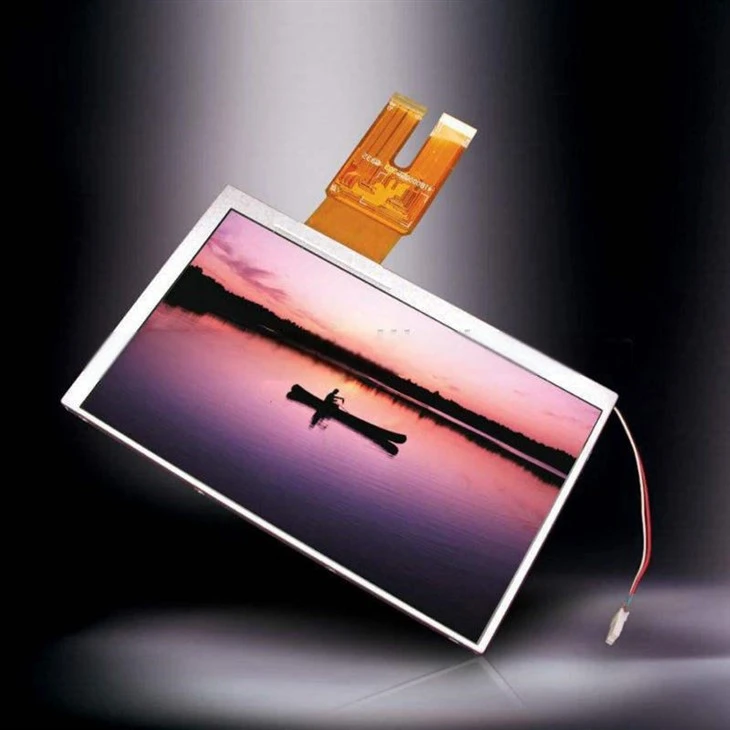
In real - world applications, our adhesive has proven to be highly reliable. In the electronics industry, where it is used to bond components in mobile devices, it has maintained its bond strength even after repeated handling and use. This has led to increased customer satisfaction and reduced product failure rates.
Comparison with Other Types of Adhesives
When comparing the abrasion resistance of our UV Clean Adhesive with other types of adhesives, such as Light Curable Adhesive and UV Sealant, there are some notable differences.
Light Curable Adhesives are a broader category that includes UV Clean Adhesive. While they all share the characteristic of being cured by light, the abrasion resistance can vary depending on the specific formulation. Our UV Clean Adhesive, with its focus on clean bonding and high - performance applications, generally has better abrasion resistance compared to some general - purpose light - curable adhesives.
UV Sealants, on the other hand, are primarily used for sealing applications. While they also need to have some level of durability, their main function is to prevent the ingress of moisture, dust, or other contaminants. Our UV Clean Adhesive, with its emphasis on bonding and abrasion resistance, is better suited for applications where the bonded parts are subject to mechanical wear.
Applications Benefiting from High Abrasion Resistance
There are numerous applications that can benefit from the high abrasion resistance of our UV Clean Adhesive. In the automotive industry, it can be used to bond interior components such as seat covers, steering wheel grips, and instrument panel trims. These parts are often in contact with passengers and are subject to constant friction, so an adhesive with good abrasion resistance is essential to ensure long - lasting bonds.
In the consumer electronics industry, it is used in the assembly of mobile phones, tablets, and laptops. The adhesive bonds components such as touchscreens, camera modules, and battery compartments. With the increasing trend of thin and lightweight devices, the adhesive needs to be both strong and resistant to abrasion to withstand the daily handling and use of these products.
In the optical industry, UV Clean Adhesive is used to bond lenses and prisms. These optical components are often cleaned and handled regularly, and the adhesive must be able to withstand the abrasion associated with these processes without affecting the optical performance.
Conclusion and Call to Action
In conclusion, the abrasion resistance of UV Clean Adhesive is a critical property that determines its performance and suitability for various applications. Our UV Clean Adhesive offers excellent abrasion resistance, thanks to its carefully formulated composition and strict quality control during the manufacturing process.
If you are in need of a high - performance UV Clean Adhesive with outstanding abrasion resistance, we would be delighted to discuss your specific requirements. Whether you are in the automotive, electronics, or optical industry, our adhesive can provide the reliable and durable bonding solution you need. Contact us today to start a conversation about how our UV Clean Adhesive can meet your needs and enhance the quality of your products.
References
- ASTM International. (Year). Standard test methods for abrasion resistance of materials. ASTM D4060 - XX.
- Taber Industries. (Year). Technical guide to Taber abrasion testing.
- Research papers on adhesive technology and materials science related to UV - cured adhesives.