

Yo, what's up tech enthusiasts! As a supplier of thermal pads for GPUs, I've seen firsthand how different factors can mess with the performance of these little heat - busting heroes. One of the factors that doesn't always get the attention it deserves is humidity. So, let's dig into what humidity can do to thermal pads for GPUs.
First off, let's quickly go over what thermal pads are. These are soft, squishy materials that you put between a GPU and its heatsink. Their main job is to fill in all those tiny gaps and bumps on the surfaces, so heat can transfer more efficiently from the GPU to the heatsink. When heat is transferred well, your GPU stays cool, and it can perform at its best.
Now, humidity is basically the amount of water vapor in the air. You know those days when it feels really muggy outside? That's high humidity. And when it comes to thermal pads, humidity can have a few different impacts.
One of the most immediate effects of high humidity on thermal pads is the absorption of moisture. Thermal pads are often made of materials that can soak up water, like silicone - based compounds. When a thermal pad absorbs moisture, its physical properties start to change. The pad can become softer and more pliable than it's supposed to be. This might sound like a good thing at first, but it can actually lead to problems.
For example, a too - soft thermal pad might not maintain its shape properly. It could start to spread out in places where it shouldn't, potentially short - circuiting other components on the GPU. Also, the absorbed water can act as an insulator. Remember, the whole point of a thermal pad is to conduct heat, but water is not a great conductor of heat. So, when the pad is full of water, it becomes less effective at transferring heat from the GPU to the heatsink.
Let's talk about corrosion. High humidity means there's more water in the air, and water can cause corrosion. When a thermal pad is exposed to humid conditions for a long time, the metal parts in contact with it, like the heat spreader on the GPU or the heatsink, can start to rust. Corrosion not only weakens the metal components but also creates a layer of non - conductive material between the thermal pad and the surfaces it's supposed to be in contact with. This layer further reduces the thermal conductivity of the setup.
Another aspect to consider is the long - term stability of the thermal pad. Over time, the constant presence of moisture can break down the chemical bonds in the thermal pad material. This can lead to the pad losing its adhesive properties. A thermal pad that doesn't stick well can create air gaps between the GPU and the heatsink. And as we all know, air is a terrible conductor of heat. So, these air gaps mean that heat transfer is severely hampered, and your GPU will start to run hotter.
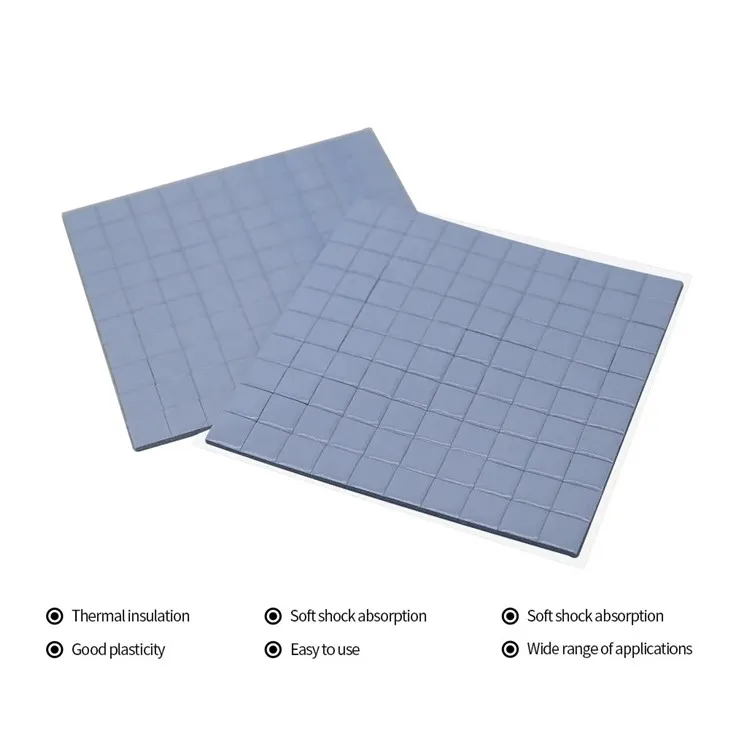

Now, let's look at some specific types of thermal pads and how they react to humidity. The Henkel Gap Pad is a popular choice in the market. It's known for its good thermal conductivity and durability. But even this high - quality pad can be affected by humidity. The silicone in the Henkel Gap Pad can absorb moisture, which can reduce its ability to transfer heat over time.
Then there are the Gpu Heat Pads. These pads come in various materials and thicknesses. Some of them are more resistant to humidity than others. However, in general, if they're exposed to high humidity for extended periods, their performance will degrade.
The Henkel Thermal Pads are also in the same boat. They are designed to work well under normal conditions, but humidity can throw a wrench in the works. The chemical composition of these pads can be altered by moisture, leading to reduced thermal performance.
So, what can you do to protect your thermal pads from humidity? Well, if you're a consumer, you can try to keep your computer in a dry environment. Using a dehumidifier in the room where your PC is located can help a lot. Also, make sure your computer case is well - sealed to prevent moist air from getting inside.
If you're a manufacturer or a system builder, you can look for thermal pads that are specifically designed to be more resistant to humidity. Some thermal pads come with special coatings or additives that help them repel water. You can also store the thermal pads in a dry place before installation.
As a supplier, I understand how important it is to have thermal pads that perform well, no matter the conditions. That's why we're constantly researching and developing new materials and manufacturing techniques to make our thermal pads more humidity - resistant.
If you're in the market for high - quality thermal pads for your GPUs, whether you're a PC enthusiast building your dream rig or a business looking to source thermal pads in bulk, we're here to help. We've got a wide range of thermal pads that are designed to work effectively, even in less - than - ideal humidity conditions. So, don't hesitate to reach out to us for a chat about your needs. We can work together to find the best thermal pads for your specific situation.
References
- "Thermal Interface Materials: Science and Technology" - This book provides in - depth information about the properties and performance of thermal pads.
- "The Impact of Environmental Conditions on Electronic Components" - A research paper that discusses how humidity and other environmental factors affect the performance of various electronic parts, including thermal pads.