

Hey there! As a supplier of thermal pads for GPUs, I've seen firsthand how crucial these little components are for keeping your graphics card running smoothly. One question that often pops up is, "What's the significance of the color of thermal pads for GPUs?" Well, let's dive right in and find out!
First off, let's talk about what thermal pads are and why they matter. Thermal pads are used to transfer heat from the GPU to the heatsink. When your GPU is working hard, it generates a lot of heat. If this heat isn't dissipated properly, it can lead to overheating, which can cause your GPU to throttle, reducing its performance. In extreme cases, overheating can even damage your GPU. That's where thermal pads come in. They provide a bridge between the GPU and the heatsink, allowing heat to transfer more efficiently.

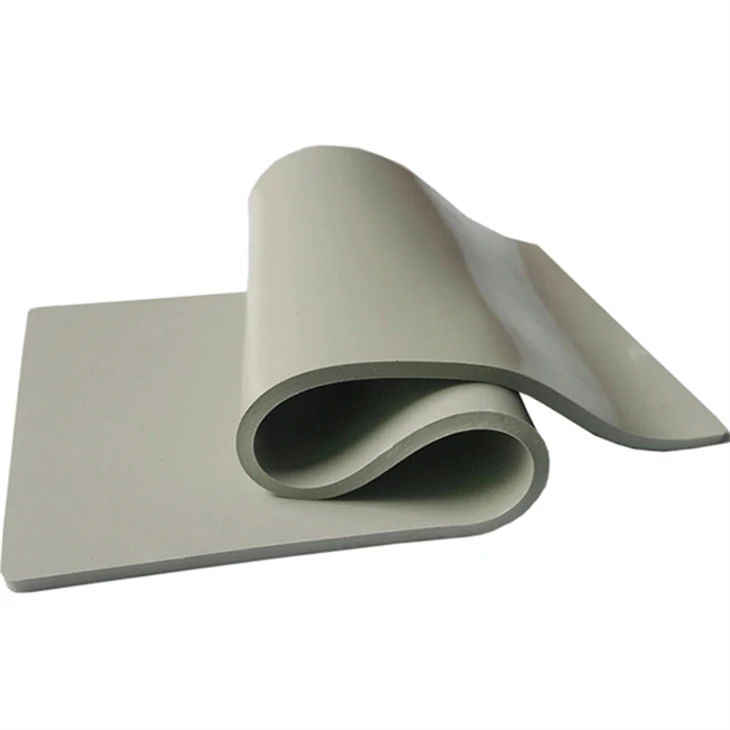
Now, onto the color of thermal pads. You might be surprised to learn that the color of a thermal pad can actually tell you a lot about its properties. Different colors often indicate different materials and compositions, which in turn affect the pad's thermal conductivity, electrical conductivity, and other important characteristics.
Red Thermal Pads
Red thermal pads are quite common in the market. They are usually made from a silicone-based material with added ceramic particles. These ceramic particles enhance the thermal conductivity of the pad, allowing it to transfer heat more effectively. Red thermal pads are a great all-around choice for most GPUs. They offer good thermal performance at a reasonable price. They are also relatively soft, which means they can conform well to the surface of the GPU and the heatsink, ensuring good contact and efficient heat transfer. For example, the Thermal Grizzly Thermal Pad is a popular red thermal pad known for its high thermal conductivity and reliability.
Black Thermal Pads
Black thermal pads are often used in high-performance applications. They are typically made from a carbon-based material, which has excellent thermal conductivity. Carbon is a very efficient heat conductor, and black thermal pads can transfer heat much faster than their red counterparts. However, they are also more expensive. Black thermal pads are a good choice for overclocked GPUs or GPUs that are used for intensive tasks such as gaming, video editing, and 3D rendering. These pads can handle the high heat generated by these applications and keep the GPU cool.
Blue Thermal Pads
Blue thermal pads are less common but have their own unique properties. They are usually electrically conductive, which means they can be used in applications where electrical grounding is required. However, this also means that they need to be used with caution, as they can short-circuit if not installed properly. The Electrically Conductive Thermal Pad is an example of a blue thermal pad that offers both thermal and electrical conductivity. These pads are often used in industrial applications or in GPUs where electrical interference needs to be minimized.
White Thermal Pads
White thermal pads are typically made from a silicone-based material with a high concentration of alumina particles. Alumina is a good thermal conductor, and white thermal pads offer decent thermal performance. They are also non-toxic and environmentally friendly, which makes them a popular choice for consumer electronics. White thermal pads are often used in laptops and other portable devices where space is limited and heat dissipation is a challenge.
Other Colors
There are also thermal pads available in other colors, such as green and yellow. These pads are usually specialized for specific applications. For example, green thermal pads might be designed for use in LED lighting applications, where they need to provide both thermal conductivity and optical transparency. The Led Thermal Pad is an example of a thermal pad that is specifically designed for LED applications. These pads can help to keep the LEDs cool and extend their lifespan.
How to Choose the Right Color
So, how do you choose the right color of thermal pad for your GPU? Well, it depends on several factors. First, consider the type of GPU you have and how you use it. If you have a stock GPU that is used for everyday tasks such as web browsing and office work, a red thermal pad should be sufficient. It will provide good thermal performance at a low cost.
If you have an overclocked GPU or use it for intensive tasks, you might want to consider a black thermal pad. The higher thermal conductivity of these pads will help to keep your GPU cool under heavy load.
If you need electrical conductivity, a blue thermal pad is the way to go. Just make sure you install it correctly to avoid short-circuits.
And if you are using your GPU in a portable device or an application where environmental friendliness is important, a white thermal pad might be the best choice.
Importance of Quality
Regardless of the color you choose, it's important to choose a high-quality thermal pad. A cheap, low-quality thermal pad might not provide good thermal conductivity, which can lead to overheating and reduced GPU performance. Look for thermal pads from reputable manufacturers that have been tested and certified for their performance.
Installation Tips
Once you've chosen the right thermal pad for your GPU, it's important to install it correctly. Here are some tips:
- Clean the surfaces: Before installing the thermal pad, make sure the surface of the GPU and the heatsink are clean and free of dust and debris. You can use isopropyl alcohol and a lint-free cloth to clean the surfaces.
- Cut the pad to size: If the thermal pad is larger than the GPU, cut it to the appropriate size using a sharp knife or scissors. Make sure the pad covers the entire surface of the GPU.
- Apply the pad: Carefully place the thermal pad on the GPU, making sure it is centered and aligned properly. Press down gently to ensure good contact between the pad and the GPU.
- Install the heatsink: Once the thermal pad is in place, install the heatsink on top of the GPU. Make sure the heatsink is securely attached and that there is even pressure across the entire surface of the GPU.
Conclusion
In conclusion, the color of a thermal pad for GPUs can tell you a lot about its properties and suitability for different applications. Whether you choose a red, black, blue, white, or another color thermal pad, make sure you choose a high-quality product and install it correctly. By doing so, you can ensure that your GPU stays cool and performs at its best.
If you're in the market for thermal pads for your GPUs, we're here to help! As a leading supplier of thermal pads, we offer a wide range of products in different colors and specifications to meet your needs. Whether you're a gamer, a professional, or just looking to upgrade your computer, we have the right thermal pad for you. Contact us today to discuss your requirements and get started on your purchase. We look forward to working with you!
References
- "Thermal Management in Electronics" by Paul A. Becker
- "Handbook of Thermal Conductivity of Solids" by Robert C. Powell
- Various product datasheets from thermal pad manufacturers