

Hey there! As a supplier of epoxy adhesive, I know firsthand how useful this stuff can be. Epoxy adhesives are super versatile, used in everything from DIY home projects to high - tech industrial applications. But like any powerful tool, they need to be used with care. So, let's talk about the safety precautions you should take when using epoxy adhesive.
1. Read the Product Label
This might seem like a no - brainer, but it's the most important step. Every epoxy adhesive product comes with a label that has crucial information about its ingredients, proper usage, and safety warnings. The label will tell you things like the curing time, the recommended temperature and humidity for application, and any specific hazards associated with the product.
For example, some epoxy adhesives might contain chemicals that are more toxic than others. The label will clearly state if it's flammable, corrosive, or a skin irritant. Make sure you read and understand all this information before you start using the adhesive. If you have any questions, don't hesitate to reach out to us. We're always here to help you out.
2. Wear Protective Gear
When working with epoxy adhesive, protective gear is a must. Here's what you should have on:
Gloves
Epoxy can be very harsh on your skin. It can cause irritation, allergic reactions, and in some cases, long - term damage. So, always wear chemical - resistant gloves. Nitrile gloves are a great choice as they offer good protection against epoxy and are also fairly flexible, allowing you to work with precision.
Eye Protection
Epoxy can splash or get into your eyes, which can be extremely painful and cause serious damage. Wear safety goggles or a face shield to protect your eyes. Make sure the goggles fit well and don't have any gaps where the epoxy could sneak in.
Respirator
Many epoxy adhesives release fumes, especially during the mixing and curing process. These fumes can be harmful if inhaled. If you're working in a poorly ventilated area or using an adhesive with strong fumes, wear a respirator. A respirator with organic vapor cartridges is usually a good option for epoxy work.
3. Work in a Well - Ventilated Area
Good ventilation is crucial when using epoxy adhesive. As I mentioned earlier, epoxy can release fumes, and inhaling these fumes can be bad for your health. Working in a well - ventilated area helps to disperse the fumes and keep the air clean.
If you're working indoors, open windows and doors to let fresh air in. You can also use fans to improve air circulation. If possible, set up a ventilation system, like an exhaust fan, to pull the fumes out of the workspace.
If you're working outdoors, that's great! Just make sure the wind is blowing in a direction that takes the fumes away from you.
4. Mix the Epoxy Properly
Most epoxy adhesives come in two parts: a resin and a hardener. Mixing them correctly is essential for the adhesive to work properly and also for your safety.
Follow the Mixing Ratio
The product label will specify the correct ratio of resin to hardener. It's important to measure these components accurately. Using the wrong ratio can result in the adhesive not curing properly, and it might also release more fumes or be more toxic.
For example, if you use too much hardener, the epoxy might cure too quickly, generating a lot of heat. This can be dangerous as it can cause the epoxy to bubble or even catch fire in extreme cases.
Use the Right Tools
Use clean, dry tools for mixing the epoxy. Stir the resin and hardener thoroughly but gently. Avoid creating a lot of bubbles, as they can affect the strength and appearance of the bond. You can use a stir stick or a mixing paddle, depending on the amount of epoxy you're using.
5. Store Epoxy Adhesive Safely
Proper storage of epoxy adhesive is important for both safety and product performance.
Keep it in a Cool, Dry Place
Epoxy adhesive should be stored at a moderate temperature. High temperatures can cause the epoxy to start curing prematurely, while low temperatures can make it too thick and difficult to use. A cool, dry place, like a storage cabinet in a room with a stable temperature, is ideal.
Keep it Away from Flames and Heat Sources
Epoxy can be flammable, especially in its liquid form. So, keep it away from open flames, heaters, and other heat sources. Also, make sure to store it away from any sources of ignition, like electrical equipment with exposed wires.
6. Clean Up Spills Immediately
Accidents happen, and if you spill epoxy adhesive, it's important to clean it up right away.
Solidify the Spill
If the epoxy is still in a liquid state, you can try to solidify it using a spill kit or an absorbent material like kitty litter. Once it's solidified, you can scoop it up and dispose of it properly.
Use the Right Cleaning Agents
To clean up any remaining residue, use a cleaning agent that's safe for the surface you're working on and is also effective against epoxy. Acetone is a common choice for cleaning epoxy spills, but make sure to test it on a small, inconspicuous area first to make sure it doesn't damage the surface.
7. Dispose of Waste Properly
When you're done with your project, don't just throw the leftover epoxy or used materials in the trash. Epoxy adhesive is considered hazardous waste, and it needs to be disposed of properly.
Follow Local Regulations
Check your local regulations for the proper disposal of hazardous waste. In many areas, you can take the waste to a designated hazardous waste collection facility.
Separate Different Types of Waste
Separate used gloves, empty containers, and any solidified epoxy waste. This makes it easier to dispose of them correctly.
8. Be Aware of Different Types of Epoxy Adhesive
There are different types of epoxy adhesives, each with its own set of characteristics and safety considerations.
Thermally Conductive Adhesive
This type of adhesive is designed to conduct heat. It's often used in electronics and other applications where heat dissipation is important. When working with thermally conductive adhesive, pay extra attention to the curing process. The heat generated during curing can be higher than with regular epoxy, so make sure your work area can handle it.
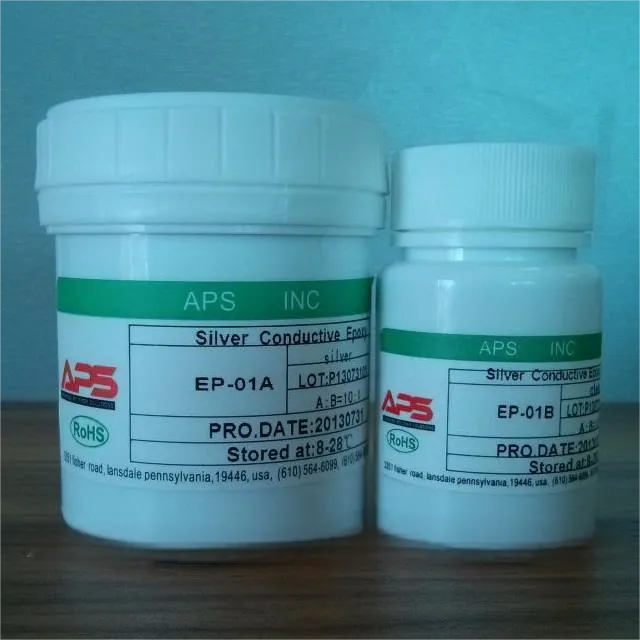

Two - Component Epoxy Adhesive
As I mentioned earlier, two - component epoxy requires careful mixing of the resin and hardener. Make sure you follow the mixing instructions precisely. Also, be aware that the curing time can vary depending on the brand and formulation.
Hot Melt Adhesive
Hot melt adhesive is heated before use, which means there's a risk of burns. Use appropriate tools for heating and applying the adhesive, and always handle it with care.
We offer a wide range of epoxy adhesives, and we can help you choose the right one for your project. Just let us know what you need, and we'll guide you through the selection process.
Conclusion
Using epoxy adhesive can be a great way to get your projects done, but safety should always be your top priority. By following these safety precautions, you can ensure that you're working safely and getting the best results from your epoxy adhesive.
If you have any questions about our epoxy adhesives or need more information on safety, don't hesitate to contact us. We're eager to assist you with your procurement needs. Whether you're a DIY enthusiast or a professional in the industry, we have the right epoxy solution for you. Let's start a conversation today and see how we can work together to make your projects a success.
References
- Various product safety data sheets provided by epoxy adhesive manufacturers.
- Occupational Safety and Health Administration (OSHA) guidelines on working with hazardous chemicals.